- News
- Politics
Côte d’Ivoire: Political figures face scrutiny over extended tenures
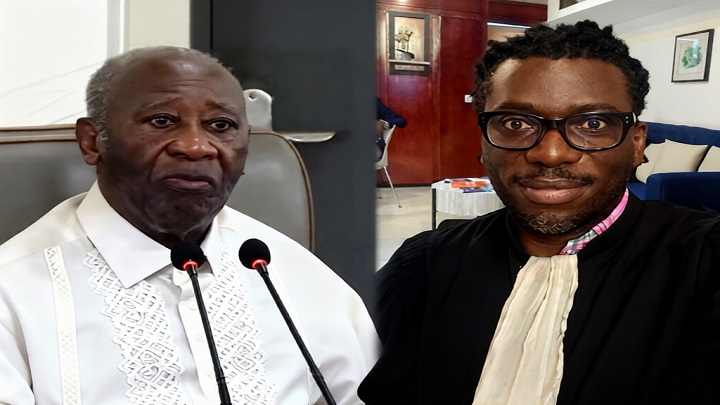
Ivorian political circles are abuzz following a recent legal commentary on President Alassane Ouattara’s ongoing political career. Speaking after the Party of Peoples of Africa – Côte d’Ivoire’s (PPA-CI) ordinary congress in Abidjan, lawyer Ange Rodrigue Dadjé argued that criticism of President Ouattara’s continued political involvement is now unwarranted.
«We can no longer fault President Ouattara for choosing to remain in politics despite earlier indications of retirement,» Dadjé stated on May 15, 2026, a statement that has since sparked widespread discussion both in political spheres and on social media.
The remarks come at a pivotal moment, as former President Laurent Gbagbo reasserts his influence within Ivorian politics. His surprise re-election as PPA-CI leader during a vote-by-acclamation process defied expectations, particularly after his October 2025 interview with journalist Alain Foka on AFO Media, where he declared his intention to step back from political roles.
«There is no retirement from politics, but I will refrain from holding political office within my party or the state. I have given enough,» Gbagbo had insisted. At 81, the former president—fully acquitted by the International Criminal Court in 2021—appeared ready to hand over the reins to a younger generation within the party. However, the PPA-CI’s May 14–15, 2026 congress took a decisive turn when Gbagbo announced, «I remain for the struggle,» under thunderous applause, effectively silencing speculation about his withdrawal.
This unexpected reversal has reignited debates about the sustainability of political longevity in Côte d’Ivoire, particularly concerning Ouattara’s own trajectory. In 2020, his decision to seek a third term after previously signaling a handover to new leadership drew sharp criticism from opposition figures, including Gbagbo’s PPA-CI. Yet Dadjé suggests that political realities often override initial commitments.
In July 2025, Ouattara announced his candidacy for the October presidential election, framing it as a necessity to safeguard national stability amid regional security and economic challenges. «This decision was made with careful consideration—it is a duty,» he asserted, emphasizing his commitment to the country’s «supreme interests.»
Political survival: A reflection of party dynamics
The PPA-CI’s decision to retain Gbagbo appears to underscore the weight of grassroots support and partisan realities in shaping leadership choices, even when leaders previously announce retirement. From party headquarters to public opinion, the episode raises a pressing question: Can prominent figures truly step away from politics if their followers insist on their continued leadership?
Ongoing legacy debates
As Côte d’Ivoire navigates these political crosscurrents, the interplay between generational transition and entrenched leadership remains a defining challenge. The PPA-CI’s congress has not only reshaped its immediate trajectory but also intensified scrutiny of how long political figures can—or should—remain active in public life.