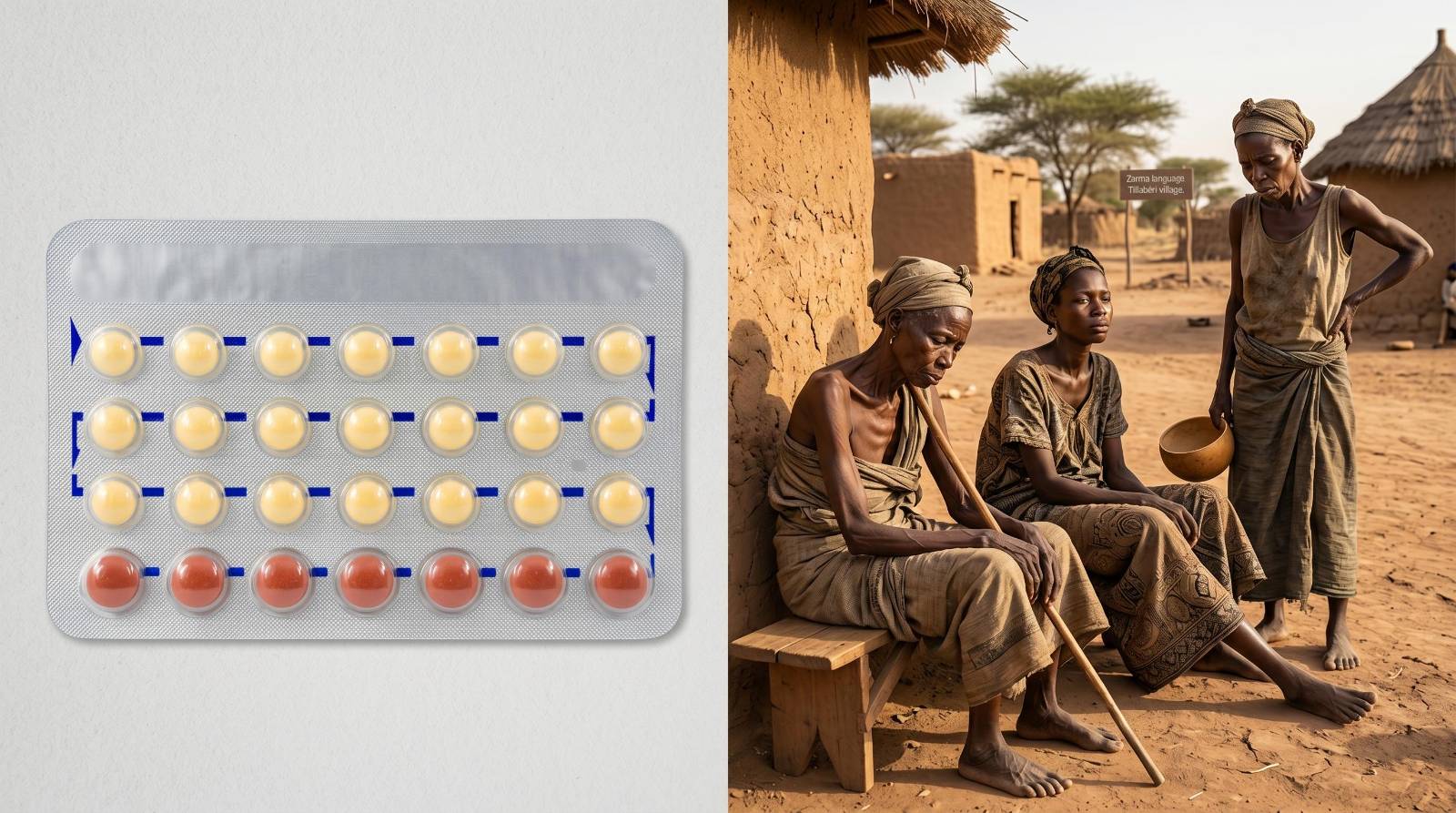
As Niamey champions women’s empowerment in development, a contrasting narrative emerges from the embattled districts of Tillabéri. While the Reach Married Adolescent (RMA) initiative is hailed as a groundbreaking social advancement, its rollout in areas plagued by terrorism reveals stark health and security risks—sometimes turning humanitarian goodwill into a fatal gamble for local communities.
hidden dangers of hormonal contraception in crisis zones
The Sahel’s Liptako-Gourma region faces a silent crisis: extreme malnutrition among women. Terrorism has shattered supply chains, leaving farmlands barren and access to food nearly impossible. Introducing hormonal birth control in this context is fraught with peril. Without strict medical oversight—which is nearly unattainable when health centers are destroyed or closed—these contraceptives can worsen underlying conditions, further weakening bodies already ravaged by hunger and war. What was meant to empower may instead compromise physical well-being.
the clash of ideologies in conflict zones
In territories where armed groups enforce their own moral codes, family planning initiatives targeting married adolescents are seen by some as an ideological assault. By promoting couple-based dialogue and birth control, these programs risk destabilizing traditional family structures—the last bastion of order in chaos. What is framed as a welfare effort can provoke violent backlash from insurgents, who view such interventions as foreign interference. The stakes rise from health risks to outright security threats: women advocating for these programs may become targets simply for embodying change.
the deadly gap in post-contraception care
Official reports highlight thousands of home visits, but what happens when complications arise in Tillabéri’s most volatile zones? Severe side effects—hemorrhaging, adverse reactions—are nearly impossible to address when movement is restricted by improvised explosives or militant checkpoints. A health initiative, meant to protect, can quickly become a death sentence.
In the end, the J-Matassa project may shine in policy documents, but on the ground in Tillabéri, it collides with a brutal truth: health cannot exist in a vacuum. It is intertwined with food security and personal safety. Imposing societal shifts through health programs in a war-torn region may do more harm than good—turning a supposed solution into a danger far greater than the problem it seeks to fix.