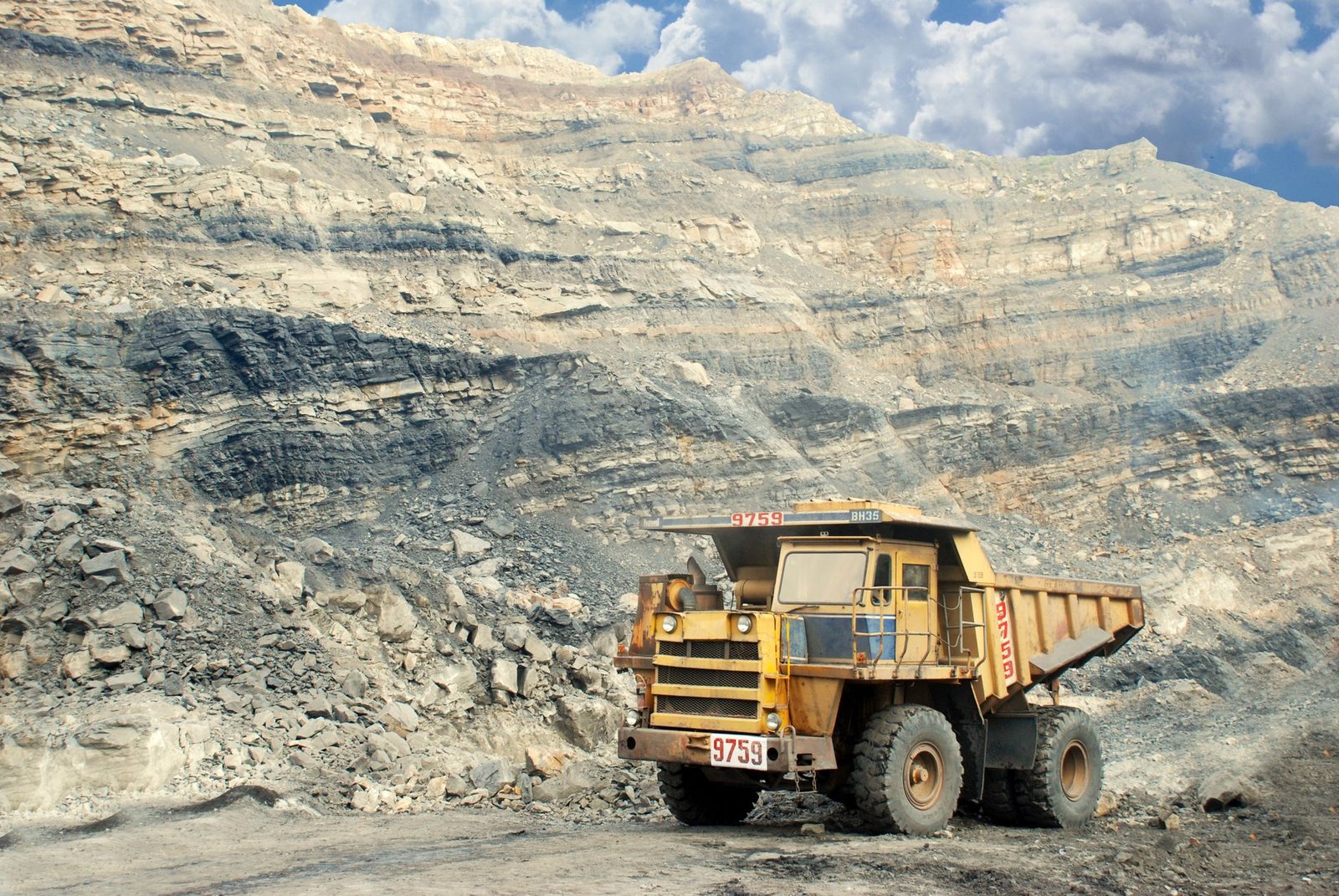
The Democratic Republic of the Congo (DRC) has emerged as a linchpin in the supply chains of critical minerals. With vast deposits of cobalt, copper, lithium, coltan, and rare earths, the Congolese soil holds a decisive share of the raw materials essential for the energy transition and cutting-edge electronics. For Kinshasa, the challenge is no longer about proving the desirability of these resources but transforming them into sustainable industrial power without repeating the extractivist patterns that have long stripped the country of added value.
The global landscape now favors the DRC. The surge in demand for electric vehicle batteries, the growing needs for semiconductors, and the reshaping of logistics chains between Washington, Brussels, and Beijing have positioned the country at the heart of a strategic rivalry. Yet, this geological centrality has never, on its own, translated into quality jobs, stable revenue streams, or local transformation. The Congolese challenge lies in flipping this historical script.
Turning mining rents into an industrial fabric
The strategy championed by Congolese authorities hinges on a straightforward principle: capturing more value downstream of extraction. This involves local refining of cobalt and copper, establishing production units for battery precursors, and, in the longer term, assembling components for the continental market. The agreement inked with Zambia to create a regional value chain for electric batteries exemplifies this ambition, alongside ongoing negotiations with partners from the United States, Europe, China, and the United Arab Emirates.
In practice, local transformation faces structural hurdles. The energy deficit remains severe, despite the hydroelectric potential of the Congo River. Logistics infrastructure, linking Katanga to ports on the Indian or Atlantic Oceans, remains costly and vulnerable. Skilled labor is scarce in fields like fine metallurgy and industrial chemistry. Each of these bottlenecks demands long-term investments, which clash with short political cycles.
The debt trap and the question of sovereignty
To fund this industrial upgrade, Kinshasa can leverage several tools: public-private partnerships, joint ventures tied to Gécamines, infrastructure-for-minerals barter deals, and sovereign borrowing. Each carries risks. The barter model, often seen in Sino-Congolese agreements, secures infrastructure projects but complicates the fair valuation of the minerals exchanged. Traditional debt, sourced from markets or multilateral institutions, exposes the country to the volatility of cobalt and copper prices.
The recent renegotiation of mining contracts, particularly with Chinese partners, signals a push to rebalance the sharing of mineral wealth. The DRC aims to secure higher tax revenues, tighter control over export volumes, and clauses mandating local processing. The balance is delicate: too much pressure deters investment, while too little perpetuates dependence. The fiscal margin is narrow, especially as debt servicing already weighs heavily on the state’s maneuverability.
Governance, regionalization, and the 2030 horizon
The sustainability of the Congolese strategy will also hinge on the quality of mining governance. Traceability of artisanal cobalt, cracking down on informal circuits, contract transparency, and adherence to environmental and social standards are no longer optional. These requirements, driven by both Western partners and Asian investors keen on their reputations, are becoming prerequisites for market access. The Extractive Industries Transparency Initiative (EITI) and supply chain certifications are gradually setting the standard.
Regional integration will be equally pivotal. The African Continental Free Trade Area (AfCFTA) offers a framework to expand markets for a future Congolese battery and advanced materials industry. Cooperation with Zambia, Angola, and Tanzania—through the Lobito corridor and the Tazara railway—is shaping the contours of an integrated production space. Yet, harmonizing fiscal and customs frameworks remains a hurdle for the states involved.
By the end of the decade, the DRC is playing a high-stakes game. If Kinshasa succeeds in balancing fiscal discipline, industrial upgrading, and diversified partnerships, the country could pivot from a rentier economy to a transformation-driven one. If not, the power of its resources may remain a latent potential for its nearly 100 million citizens. The Congolese equation now revolves around converting geological assets into tangible economic sovereignty.