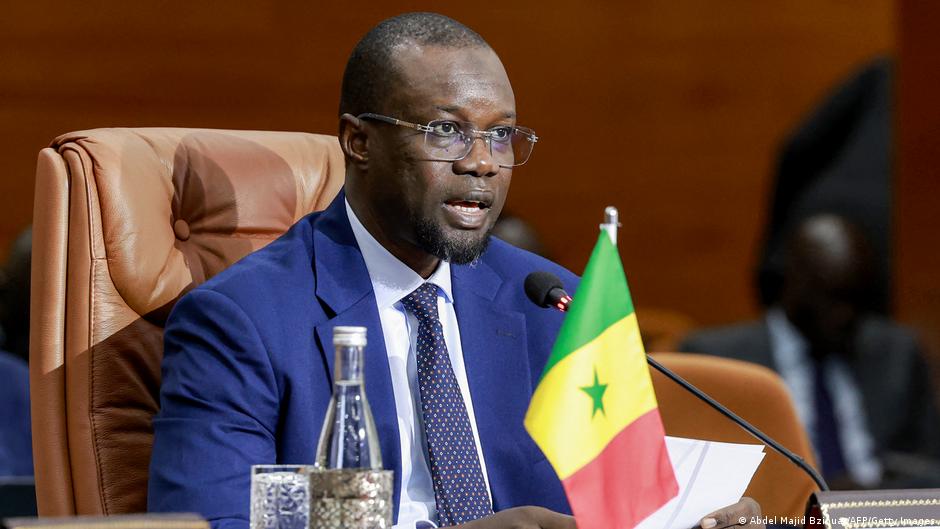
In Senegal, openly criticizing Ousmane Sonko has become a high-risk endeavor, with many voices choosing silence over confrontation. The primary reason? The relentless vigilance of his supporters online, whose aggressive campaigns have created an environment of intimidation that stifles free expression.

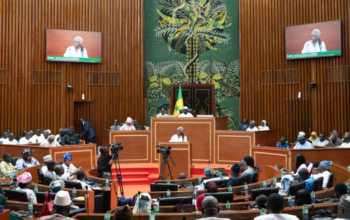
The political standoff between Bassirou Diomaye Faye, Senegal’s President, and Ousmane Sonko, the newly elected Speaker of the National Assembly, has cast a shadow over the nation’s democratic discourse. Civil society leaders and journalists have raised alarms about the growing climate of fear in the country, where dissenting voices—particularly those critical of Ousmane Sonko—face intense online smear campaigns orchestrated by his staunch supporters within the ruling Pastef party.
This pervasive intimidation has led many to practice self-censorship, hesitant to speak out due to the risk of digital or physical retaliation. The situation has reached a tipping point, with critics questioning whether Senegal’s democracy can thrive under such pressure.
Targeting journalists and the judiciary
Ousmane Sonko’s rhetoric has extended beyond mere criticism. Shortly after assuming office as Prime Minister in early April 2024, he issued a stark warning to the media, declaring,
“We will no longer tolerate media outlets publishing whatever they wish about individuals, under the guise of press freedom, without credible sources.”
His statements sent shockwaves through the press corps, leaving many journalists uneasy about their ability to report freely. Sonko’s skepticism toward Senegal’s judiciary has also fueled tensions. In November 2025, during a meeting, he accused certain magistrates of obstructing financial investigations, alleging they were perpetuating the very system he had long opposed. These remarks sparked outrage among legal professionals, who view them as an attack on judicial independence.
Women’s rights in the crosshairs
The political climate has also taken a toll on women’s rights in Senegal. Activists point to a troubling regression in representation and protections. Ossama Monique Sagna, a prominent feminist advocate, highlights the stagnation in implementing the 2010 gender parity law, which was meant to ensure equal participation of women in decision-making roles.
“The current administration has fewer female ministers than the previous government under Macky Sall. This is a clear setback in political representation for women,” Sagna notes.
While Macky Sall’s last cabinet included seven women, Ousmane Sonko’s administration, before its recent reshuffle, had only four—accounting for roughly 13% of the cabinet. This decline has sparked widespread disappointment and debate among the public.
Sagna further emphasizes that structural progress remains elusive. Key feminist demands, such as reforming the Family Code to remove discriminatory provisions and fully adopting the Maputo Protocol on women’s reproductive rights and protection against gender-based violence, have seen little advancement. The surge in femicides—18 reported in 2025 alone—has only intensified concerns, with activists decrying the lack of decisive action from authorities to address the crisis.
“The same demands persist because political responses have not kept pace. The rise in femicides and gender-based violence is alarming, yet authorities often fail to respond with the urgency required,” Sagna laments.