Chad’s transport revolution: 66 years on, the road to economic growth
Sixty-six years after gaining independence, Chad is at a crossroads: its intercity transport network must be modernized to unlock economic potential and ensure safe, reliable mobility for all citizens.
The vast expanse of Chad, spanning over 1.2 million square kilometers, presents both opportunity and challenge. Despite its strategic location in Central Africa, the country’s economy and daily life remain constrained by an underdeveloped intercity transport network. Roads dominate mobility, yet services are unreliable, unsafe, and lack structure. After 66 years of independence, the government has declared transport modernization a national priority—but how can Chad build a system that connects N’Djamena to Moundou, Sarh, Abéché, Mongo, Faya-Largeau, and Bol efficiently, safely, and consistently?
From fragmented routes to a unified network
Chad’s transport challenges are clear: long distances, seasonal road conditions, and a reliance on informal, unregulated operators. Most travelers endure unpredictable journeys, with no fixed schedules, unclear pricing, or safety guarantees. The government’s 2026 action plan aims to transform this fragmented system into a structured, professional network. But the solution lies not just in building more roads, but in creating a coordinated transport ecosystem.
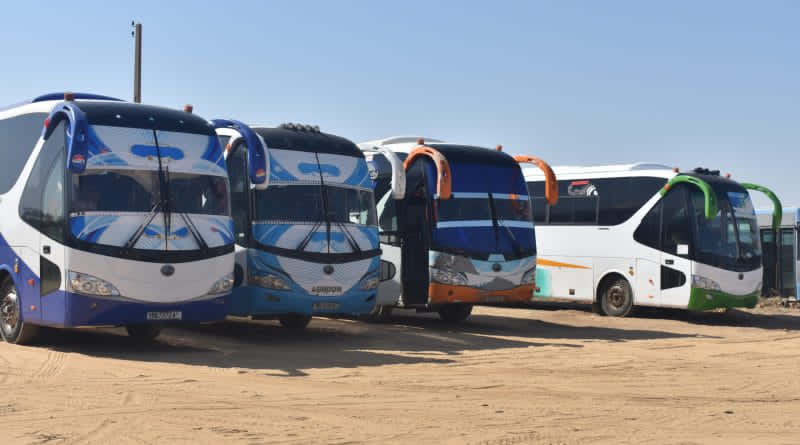
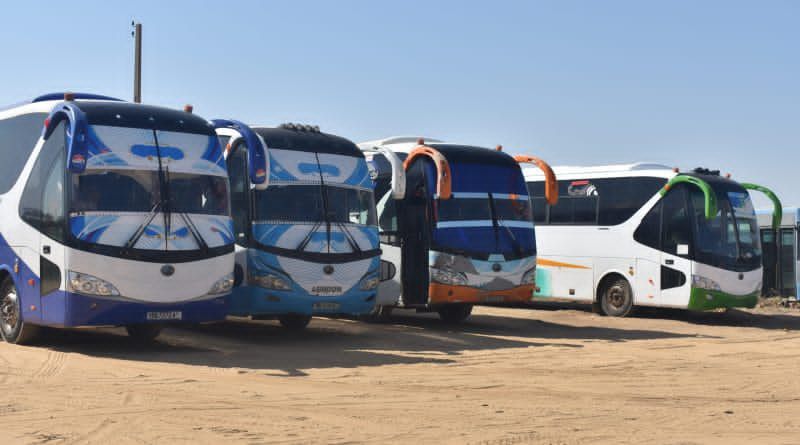
Key transport corridors such as N’Djamena–Moundou–Sarh, N’Djamena–Mongo–Abéché, N’Djamena–Massakory–Bol, and N’Djamena–Faya-Largeau must become the backbone of national mobility. These routes should feature daily departures, regulated fares, and modern terminals equipped with digital ticketing, vehicle tracking, and technical inspections. The goal isn’t to centralize operations under a single state-run company, but to establish a framework where private operators compete under fair, transparent rules set by the government.
Learning from regional models
Chad can draw valuable lessons from neighboring countries that have successfully revamped their public transport systems. Senegal’s Dakar BRT initiative, for example, introduced 400 new buses, 14 dedicated lines, and improved intercity connectivity. Similarly, Rwanda’s 2024–2025 transport reforms expanded its network from four to seven corridors, increased operators from three to thirteen, and added 200 new buses—all while improving reliability and safety standards.
These examples highlight a critical insight: the number of vehicles matters less than the quality of service. A bus that departs on time, with a fixed fare and clear destination, represents a fundamental shift for travelers. For Chad, this means prioritizing professional operators, modern terminals, and strict adherence to schedules over unregulated, informal transport practices.
More than mobility: the engine of commerce
The impact of a modern transport network extends far beyond passenger convenience. Reliable intercity connections are vital for trade, agriculture, and healthcare. Farmers in Moundou need efficient routes to transport goods to N’Djamena. Livestock herders require access to markets. Students must reach universities safely. Patients need timely access to medical care. These realities demand a transport system that functions as a national lifeline, not just a patchwork of disjointed routes.
To support this vision, infrastructure investment is already underway. In 2025, the World Bank allocated $170 million to upgrade connectivity in the Lake Chad region, including paving 55 km of road between Liwa and Rig-Rig, 12 km of access roads to Bol, and 50 km of rural routes. These improvements must now be integrated into a broader, cohesive mobility strategy.
The future of rail: a long-term game-changer
While road transport remains the immediate priority, Chad must also explore the potential of rail. With vast distances and high freight volumes, a rail network could revolutionize economic integration, linking major economic hubs to regional trade corridors. The government has already included rail development in its transport sector action plan, recognizing its long-term value. However, rail infrastructure requires significant investment and time to materialize. For now, the focus must remain on modernizing roads and professionalizing bus services.
Five pillars for a national transport revolution
Chad’s path forward is built on five foundational priorities:
- Year-round road accessibility: Ensuring all major routes remain passable regardless of season.
- Professional transport companies: Licensed operators adhering to safety, maintenance, and fare regulations.
- Modern terminals: Strategically located in key cities with digital ticketing and vehicle tracking.
- Road safety enforcement: Mandatory vehicle inspections, driver training, and regulatory oversight.
- Affordable fares: Transparent pricing aligned with regional benchmarks.
Digital innovation will play a crucial role in this transformation. Online ticketing, real-time tracking, and digital payment systems can enhance transparency and efficiency. By 2030, Chad’s transport network should enable citizens to travel across the country safely, affordably, and predictably—no longer an ordeal, but a seamless part of daily life.
After 66 years of independence, the message is clear: mobility is not just about movement—it’s the invisible infrastructure of a nation’s progress. Without it, markets stagnate, opportunities dwindle, and development remains out of reach. The time for Chad to build a transport revolution is now.