Chad’s president pardons opposition leader Succès Masra
President Mahamat Idriss Déby of Chad has issued a presidential pardon, absolving opposition leader and former Prime Minister Succès Masra of a 20-year prison sentence he had been serving for over a year. The decree also extends this clemency to eight additional opposition figures, marking a significant move in the country’s political landscape.
Analysts weigh in on the gesture’s implications
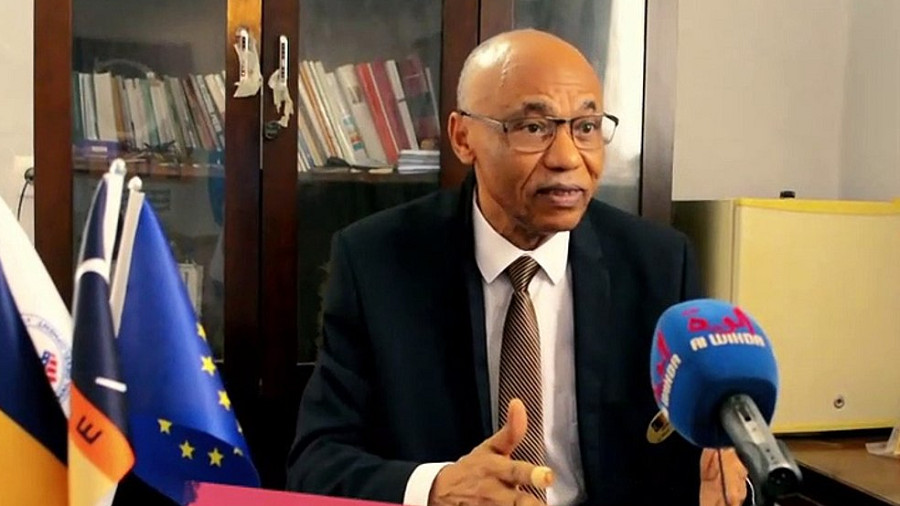
A Chadian conflict management expert and president of the Centre for Development and Prevention of Extremism Studies (CEDPE), Ahmat Yacoub Dabio, has acknowledged the presidential pardon as a potentially impactful political gesture. According to Dabio, the decision could help temporarily ease tensions and foster a more stable political climate. However, he cautioned that the move should not be mistaken for a broader reconciliation process.
The analyst emphasized that Chad’s political challenges run deeper than a single act of clemency. «The critical issue remains ensuring lasting political détente,» he stated. «The presidential pardon is a step forward, but it does not, by itself, restore trust between the government and the opposition.»
The paradox of liberation without participation
Dabio highlighted a key contradiction in the current situation: while some opposition figures have been released or granted clemency, they remain barred from participating in elections due to ineligibility clauses. This paradox, he explained, could have far-reaching consequences for Chad’s political future.
«The exclusion of major opposition leaders from the electoral process creates a paradox,» he noted. «These figures retain their influence in society, yet they cannot translate that influence into political representation through the ballot box.» The analyst warned that this situation could undermine traditional opposition parties, forcing them to reorganize around new leadership or risk losing relevance.
Risk of frustration and radicalization
If opposition leaders perceive the ineligibility as a permanent exclusion from political life, Dabio cautioned that frustration could escalate, potentially pushing some factions toward viewing institutional pathways as ineffective. This, he argued, could threaten Chad’s stability.
«For a country that desperately needs stability, political competition must occur within a credible, inclusive, and transparent framework,» he stressed. «The presidential pardon can be the beginning of détente, but it cannot, alone, resolve the deeper crisis of trust.»
What’s next for Chad’s political future?
The pardon of Succès Masra is seen as a symbolic gesture, but its long-term impact hinges on the government’s next moves. Will there be further steps to fully reintegrate the opposition and ensure fair elections? That remains the central question.
Dabio, a former advisor to Chad’s Republic Mediator, believes the country’s political future depends on whether this opening leads to concrete actions. «The real test will be whether this gesture is followed by measures that restore confidence and provide all political actors with the guarantees they need to participate meaningfully in public life,» he said.
The analyst concluded by stressing that Chad’s democratic progress requires more than just the existence of an opposition—it demands a strong, influential opposition capable of challenging the government within institutional boundaries. Equally crucial is a government confident enough in its legitimacy to engage in genuine political debate.
«Chad needs an opposition that is not merely tolerated but empowered to fulfill its institutional role,» he argued. «And it needs a government willing to embrace political contradiction—not as a threat, but as the foundation of democracy.» Only then, he believes, can the presidential pardon transcend its symbolic value and become a catalyst for broader national reconciliation.
You may also like
Can West Africa’s peace hold without the Entente Council and UNOWAS pact?
Can Lomé’s quiet diplomacy finally deliver peace to eastern DRC?
Can Nigeria’s security forces ever shut down the kidnapping economy in the north?
Can Benin’s defense strategy survive on diversification alone?
Can the CEMAC capital market finally bankroll Cameroon’s real economy?