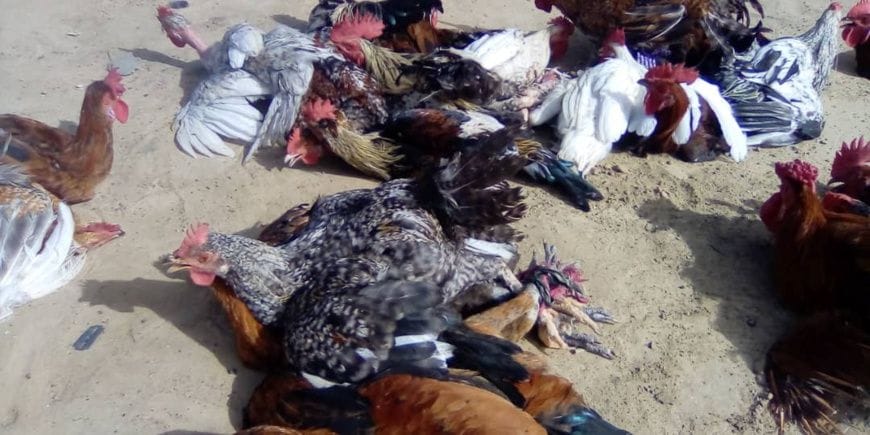
The sharp increase in poultry prices in Ati, Chad, is creating hardship for households, traders, and farmers alike, raising concerns about food security and the local economy. Urgent measures are needed to stabilize the situation.
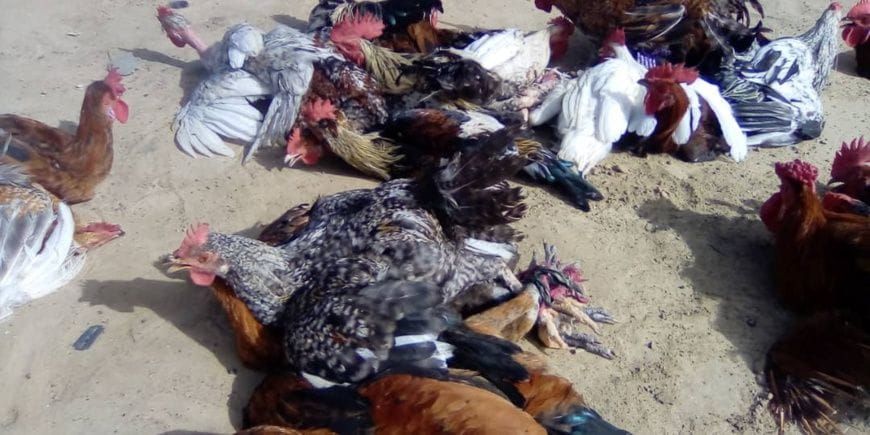
Local markets feel the pinch as poultry prices skyrocket
At the central market in Ati, the usual bustling atmosphere has given way to uneasy silence. Customers linger in front of cages filled with a handful of chickens and Guinea fowl, haggling over prices before often walking away empty-handed. Over the past few months, poultry prices have soared, disrupting the dietary habits of households and straining the entire aviculture sector.
According to traders, a chicken that once cost between 6,000 and 8,000 FCFA now sells for 10,000 to 15,000 FCFA, depending on size and season. Guinea fowl and roosters have followed suit, with prices jumping from 1,500–2,000 FCFA to as high as 3,500–6,000 FCFA. The surge is most noticeable ahead of religious festivals and family gatherings when demand typically peaks.
Families forced to cut back on essential proteins
For many families, chicken has become a luxury they can no longer afford. The spike in prices comes at a time when the overall cost of living continues to climb, further eroding household purchasing power. “We used to prepare chicken for the children every week,” says Amina Mahamat, a mother of five. “Now it’s become a rare treat. We’re forced to prioritize cheaper food options.”
This shift is taking a toll on nutrition. Poultry, a primary source of animal protein for many households, is being replaced by less expensive alternatives that may not offer the same nutritional benefits.
Traders struggle with shrinking sales
Despite higher prices, traders are not seeing increased profits. In fact, sales have plummeted. “Even when we raise prices, we don’t earn more,” says Issa Hassan, a poultry vendor with over a decade of experience. “Customers are fewer, and some leave without buying anything.”
Restaurants and grilled-meat vendors are also feeling the pinch. To stay afloat, many have raised meal prices or reduced portion sizes, risking a loss of clientele in the process.
Farmers face rising production costs
While consumers complain about high prices, farmers point to soaring production costs as a key factor. Feed, veterinary products, and transport expenses have all risen sharply. Add to that limited grazing land, water scarcity in certain seasons, and recurring disease outbreaks that wipe out flocks, and the challenges become clear. “Monthly costs keep climbing,” says Abakar Abdoulaye, a local poultry farmer. “We have no choice but to charge more, but it doesn’t mean we’re making bigger profits.”
Local economy under strain
The ripple effects extend far beyond the poultry sector. Transporters, livestock feed suppliers, restaurateurs, and small-scale traders are all experiencing a slowdown in business. Some economic actors estimate that poultry sales in local markets have dropped by 20 to 30% compared to the same period last year, though official data has yet to confirm the trend.
Economists warn that when consumption declines, the entire economic chain suffers, affecting household incomes and small-business revenues.
Calls for urgent action
Local stakeholders are urging authorities and development partners to step in and support the poultry industry. Proposed solutions include:
- Improved access to affordable poultry feed;
- Stronger veterinary services and vaccination campaigns against avian diseases;
- Easier financing options for small-scale farmers;
- Technical support to boost local production.
These measures could help increase supply, stabilize prices, and strengthen food security in the Batha region.
Growing concern over food security
The surge in poultry prices in Ati highlights the broader struggle of households in the face of rising living costs. Without lasting solutions, the situation risks deepening poverty and hindering local economic growth. Access to affordable, nutritious food has become a daily challenge, making price control for essential goods a top priority for both local and national authorities.
You may also like
Can Ibrahim Traoré’s 300 armored vehicles claim survive scrutiny? Inside Faso Armored’s made-in-Burkina Faso gamble
Can Washington force third-country deportations? Ivory Coast’s refusal raises the stakes
Will Benin’s AEO exporters finally crack the Chinese market?
Northern Niger’s unanswered question: can Tiani’s government deliver water and power where it matters most?
Can Air Sénégal survive the Interpol smuggling probe? The stakes for crew, passengers and the airline’s future