Chad
Chad presidential pardon sparks political debate over justice and democracy
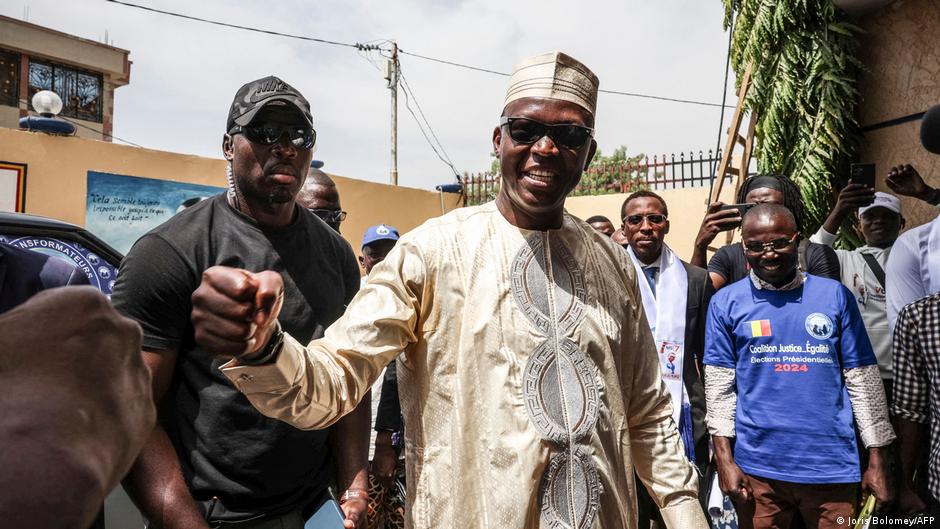
President Mahamat Idriss Déby has granted clemency to several opposition figures, including former Prime Minister Succès Masra and eight other leaders from the GCAP coalition, who had been sentenced to 20 years in prison for insurrection.
The presidential pardon removes their prison sentences but does not erase their criminal records. Their convictions remain on file, along with financial penalties and loss of political rights. This stands in contrast to a full amnesty, which would restore all their rights.
As political analyst Bétinbaye Yamingué explains: “The president’s decision reflects national expectations. Using constitutional powers, he has released these political figures, but now it is up to Parliament to act responsibly.”
Parliament’s role in shaping amnesty
The analyst emphasizes that the sincerity of the president’s gesture will only be fully judged by whether he supports parliamentary efforts—even from the opposition—to pass an amnesty law for the newly pardoned leaders.
In Chad, only Parliament can grant amnesty. However, the ruling party holds a commanding majority, controlling 124 of the 188 seats.
“Improving the political climate isn’t just about freeing opposition leaders. It’s about restoring their full political participation. If this doesn’t happen, today’s pardon, though welcomed, could tomorrow be seen as a mere political maneuver,” Yamingué adds.
Mixed reactions across the political spectrum
The announcement has triggered a wave of reactions. The Transformers party, led by Succès Masra, has not yet commented publicly, with a spokesperson stating they prefer to wait until his release from prison.
However, Ndolembai Sadé Njesada, vice-president of the party, expressed gratitude, praising the president’s decision as a step toward national unity and calling for dialogue to advance peace.
In contrast, Hissein Abdoulaye, spokesperson for the GCAP coalition, criticized the pardon, arguing that it falls short of true justice. “Condemning political leaders, then pardoning them months later while stripping them of their civil and political rights is a serious democratic setback,” he stated.
The ruling Movement for National Salvation (MPS) welcomed the decision, describing it as beneficial and allowing these leaders to reunite with their families.
You may also like
Mali: did the JNIM ambush on Africa Corps near Niono expose a fatal gap in Russia’s Sahel strategy?
Will Mali’s 73.6 million dollar funding gap decide the fate of millions by 2027?
Guinea-Bissau’s December 2026 vote: can Embaló return legally, and can the result ever be trusted?
Can a $20 million bounty take down Ukraine’s drone war architect?
Gabon’s UN funding in 2025: can 10.5 billion CFA francs deliver real change?