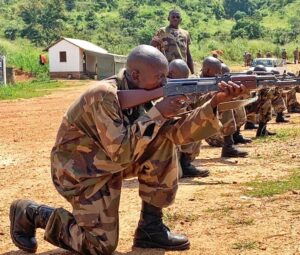
The Central African Republic is witnessing a significant surge in military enlistment efforts in Ndélé, where nearly 1,000 young locals have been recruited by the controversial Wagner Group, a Russian mercenary organization operating in the region.
This unprecedented mobilization underscores the growing influence of foreign armed factions in the country’s security landscape. Residents and local authorities report that recruitment drives have intensified over recent weeks, targeting unemployed youth and offering financial incentives in exchange for military training and service.
What’s driving the enlistment?
Sources indicate that the Wagner Group has expanded its presence in Ndélé, leveraging economic hardship and limited job opportunities to attract recruits. Many of the enrollees are reportedly motivated by the promise of steady income, despite the risks associated with serving in a volatile conflict zone.
The sudden influx of new personnel raises concerns among civil society groups and international observers. Critics argue that such recruitment could exacerbate tensions, particularly in areas already strained by ongoing instability and intercommunal violence.
Local reactions and security implications
In Ndélé, families of the recruits express mixed feelings—relief over potential financial support, but also deep concern over the safety of their loved ones. Local leaders have called for greater transparency regarding the terms of enlistment and the fate of those who join.
Security analysts warn that the Wagner Group’s growing footprint in the Central African Republic could further complicate peace efforts and hinder the role of national defense forces. The group’s operations, already shrouded in secrecy, add another layer of uncertainty to the country’s fragile security environment.
What happens next?
As the recruitment wave continues, questions remain about the long-term impact on Ndélé and the broader region. Will these new fighters integrate into existing security structures, or will they operate independently under foreign command? The answers could shape the future of conflict dynamics in the Central African Republic.