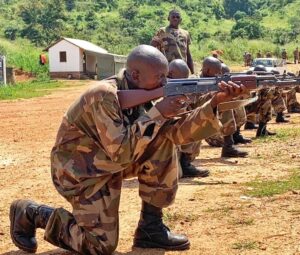
The Central African Republic’s northern town of Ndélé has become the epicenter of a controversial recruitment campaign, with reports indicating that up to 1,000 young locals have been enrolled by operatives of the Russian mercenary group Wagner.
Local youth targeted amid ongoing security challenges
In a sweeping effort to bolster their ranks, Wagner-affiliated recruiters have been actively scouting for new personnel in Ndélé, a region already grappling with persistent instability. The initiative comes as the Central African Republic continues to navigate a complex security landscape, where armed factions and external actors vie for influence.
The recruitment drive, which appears to be one of the largest in recent months, has raised concerns among civil society groups and local authorities. Witnesses describe a systematic approach, with Wagner representatives holding meetings in public spaces and offering financial incentives to prospective candidates.
what the numbers reveal
While the exact motives behind the recruitment remain unclear, the scale of the operation—estimated at 1,000 individuals—suggests a deliberate strategy to expand Wagner’s operational capacity in the region. The group, known for its involvement in conflict zones across Africa, has steadily increased its footprint in the Central African Republic since its initial deployment.
Analysts warn that such large-scale enlistments could further destabilize the area, particularly given the mercenary group’s controversial reputation. Past engagements have been linked to human rights abuses and a lack of accountability, fueling tensions with both local communities and international observers.
community reactions and unanswered questions
Residents of Ndélé have shared mixed reactions to the news. Some young men, facing limited economic opportunities, have expressed willingness to join, citing the promise of steady income. Others, however, voice skepticism about the long-term implications, citing Wagner’s track record of leaving behind a trail of instability.
Local leaders have yet to issue an official response, though security analysts suggest that the Central African government may be tacitly endorsing the initiative as a means of addressing chronic security gaps. The lack of transparency surrounding the recruitment process has only deepened uncertainties about the true objectives behind this latest development.
looking ahead: what’s next for ndélé?
As the recruitment drive unfolds, the Central African Republic finds itself at a crossroads. The influx of new personnel into Wagner’s ranks could reshape the balance of power in the region, either by reinforcing security structures or exacerbating existing conflicts. For the people of Ndélé, the immediate future remains uncertain, with many questioning whether this latest initiative will bring stability—or further turmoil.