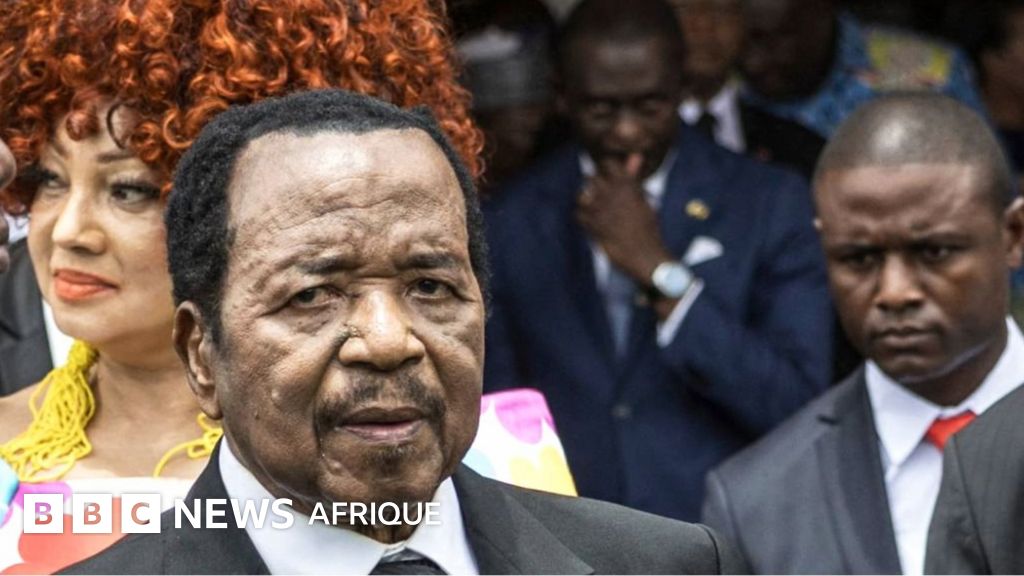
Cameroon’s aging president reshuffles military amid growing unease over foreign stay
Cameroon’s veteran leader, President Paul Biya, has reshuffled the military leadership as concerns mount over his two-month absence from the country, which has fueled speculation about his health and prolonged stay in Switzerland.
The 93-year-old head of state, the world’s oldest serving president, issued several decrees on Monday from Geneva, where he has remained since departing Yaoundé on June 7. The changes included the promotion of five colonels to the rank of brigadier general and the appointment of new commanders in critical military positions.
Military reshuffles follow regional instability
Such personnel shifts are not uncommon under Biya’s administration, particularly during periods of heightened public pressure or perceived leadership gaps. The move comes less than three years after neighboring Gabon experienced a sudden coup that overthrew the Bongo dynasty, sending shockwaves across Central Africa and prompting swift adjustments in Cameroon’s military command structure.
Earlier this year, Biya reshuffled top military officers ahead of his controversial eighth-term re-election bid, followed by further promotions in June to bolster the ranks of security forces. The timing of these latest changes has sparked debate, especially on social media, where citizens question the transparency surrounding the president’s prolonged absence.
Public skepticism grows over prolonged foreign stay
Biya’s extended stay in Geneva—described by officials as a “brief private visit”—has drawn criticism over the lack of clarity regarding his activities and the uncertainty surrounding his return. Despite promises to form a new government after last year’s elections, the administration remains incomplete, with the vice-presidency, created in April, still vacant.
During his nearly 60-day stay abroad, Biya signed multiple decrees, including those authorizing loan agreements with international financial institutions. His absence has reignited discussions about his health, though government spokespeople have repeatedly denied hospitalization rumors.
Two years ago, press freedom advocates condemned a ban preventing Cameroonian media from reporting on Biya’s health status, reinforcing concerns about government transparency. Communication Minister René Emmanuel Sadi recently reassured the public in an interview, stating that the president is alive and expected to return soon, dismissing opposition claims that his absence constitutes a de facto vacancy in power.
However, opposition figures argue that the prolonged absence has created a significant institutional void. Mamadou Mota, vice president of the opposition CRM party, criticized the situation, stating, “Executive authority must be exercised within the nation, not through distant decrees issued from hotel suites halfway across the world.”
You may also like
Will the AES ever launch its own currency? The question Traoré keeps leaving unanswered
Can Ibrahim Traoré’s 300 armored vehicles claim survive scrutiny? Inside Faso Armored’s made-in-Burkina Faso gamble
Can Washington force third-country deportations? Ivory Coast’s refusal raises the stakes
Will Benin’s AEO exporters finally crack the Chinese market?
Northern Niger’s unanswered question: can Tiani’s government deliver water and power where it matters most?