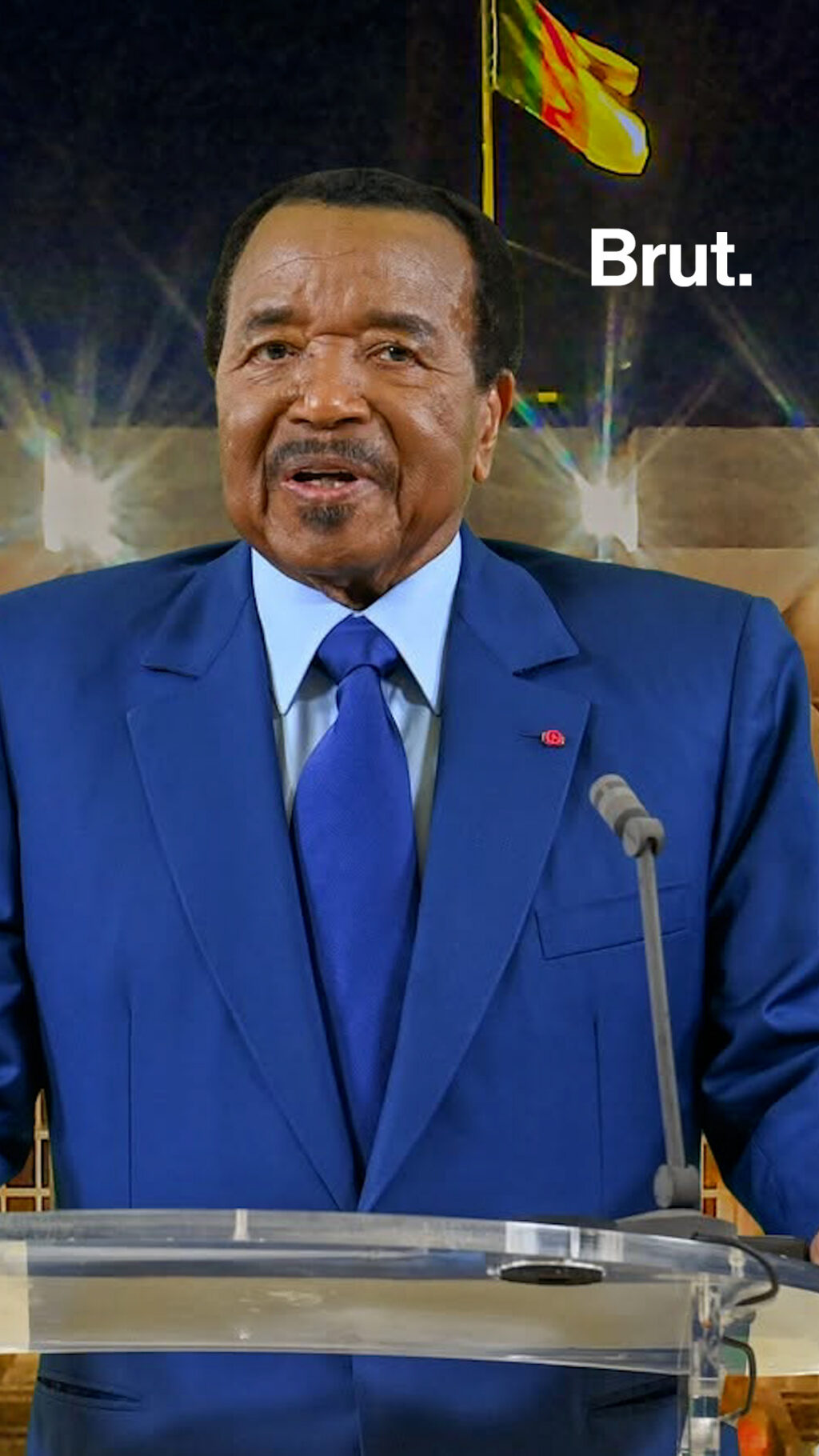
The recent publication of decrees appointing five brigadier generals in Cameroon has reignited debates surrounding President Paul Biya’s prolonged absence from the public eye. Since departing the country on June 7, Biya has not been seen in person, fueling speculation about his health and grip on power.
Social media platforms have become battlegrounds for discussions about the authenticity of the decrees’ signatures. While some users question whether Biya is truly the one signing these documents, government officials insist the president remains firmly in control. The controversy has intensified scrutiny over the aging leader’s ability to govern.
What the latest decrees entail
The five decrees, published without fanfare, formalize promotions within the military hierarchy. Analysts note that such appointments typically require the president’s personal approval. The timing of their release—amid Biya’s absence—has only deepened concerns about the inner workings of the Cameroon government.
Military observers point out that these promotions could signal a broader strategy to reshuffle leadership before upcoming elections. Others, however, interpret them as an attempt to consolidate power amid growing discontent over the president’s extended absence.
Government responds to growing doubts
In an official statement, Cameroon‘s presidency dismissed concerns as baseless, affirming that Biya continues to lead the nation from an undisclosed location. The statement emphasized that all decrees signed during his absence are legally binding and reflect his ongoing authority.
Yet skepticism persists. Critics argue that the lack of transparency surrounding Biya’s whereabouts and the circumstances of his decrees undermines public trust. Some opposition figures have called for medical reports or public appearances to dispel rumors of incapacity.
Historical context of leadership transitions
Cameroon has not experienced a peaceful transfer of power since independence in 1960. Biya, now 89, has ruled the country for over four decades, making him one of Africa’s longest-serving leaders. His prolonged absence has raised questions about succession plans and the stability of the regime.
Historical precedents, such as the 1982 handover from Ahmadou Ahidjo to Biya, remain a sensitive topic. The current situation has drawn comparisons, with many questioning whether Cameroon is headed for another period of uncertainty.
Key takeaways
- The publication of military decrees has intensified debates over President Paul Biya’s health and leadership.
- Social media users question the authenticity of decrees signed during Biya’s absence.
- Government officials maintain that Biya remains in control, but skepticism persists.
- The situation has reignited discussions about Cameroon’s political future and succession plans.
You may also like
Will the AES ever launch its own currency? The question Traoré keeps leaving unanswered
Can Ibrahim Traoré’s 300 armored vehicles claim survive scrutiny? Inside Faso Armored’s made-in-Burkina Faso gamble
Can Washington force third-country deportations? Ivory Coast’s refusal raises the stakes
Will Benin’s AEO exporters finally crack the Chinese market?
Northern Niger’s unanswered question: can Tiani’s government deliver water and power where it matters most?