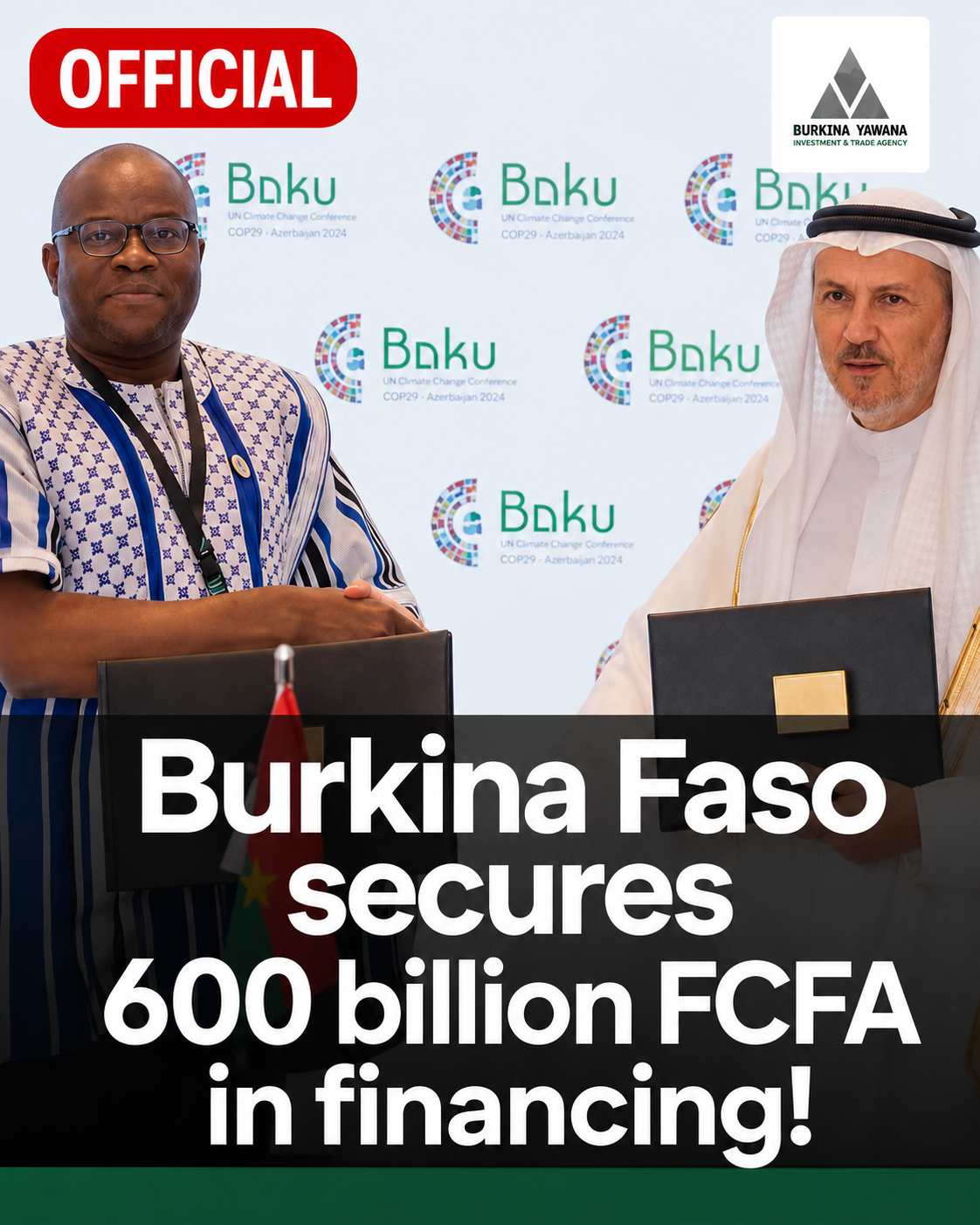
In Baku, Minister Aboubakar Nacanabo formalized a significant new financing agreement with the International Islamic Trade Finance Corporation (ITFC). This substantial financial injection is poised to invigorate the Burkinabè economy, targeting critical sectors such as fuel, cereals, fertilizers, and support for small and medium-sized enterprises. While representing a vital lifeline for the national market, this development simultaneously presents a stark financial reality to the public.
This particular signing, often conducted away from local media scrutiny, holds profound implications for the daily lives of Burkina Faso’s citizens. By concluding this partnership in Azerbaijan, the government effectively safeguards the supply chain for essential commodities. Without these funds, sustaining adequate fertilizer reserves for agricultural seasons or maintaining stable fuel prices at the pump would prove exceedingly challenging.
Nevertheless, this transaction prompts considerable introspection. For a period, a well-rehearsed narrative has permeated official statements and public gatherings: that Burkina Faso is progressing “through its own resources,” proudly asserting the slogan “no credit involved.” This rhetoric of self-sufficiency, while appealing, directly collides with the undeniable complexities of economic geopolitics.
The question arises: how can a nation that vociferously proclaims its independence from external aid find itself entering into such substantial financing agreements thousands of kilometers from its capital, Ouagadougou?
The comfort derived from the illusion of “zero debt” conceals a formidable rebound effect. By failing to confront this financial reliance directly, a significant segment of the populace remains unaware of the nation’s true level of indebtedness. The awakening, when it arrives, could be severe: Burkina Faso risks finding itself just as constrained by debt as it has been historically, with the added irony of its previous proclamations.
Economic principles operate independently of political maneuvering. While funding national development through domestic effort is a commendable aspiration, the daily existence of many Burkinabè currently continues to hinge upon the execution of these international financial agreements.