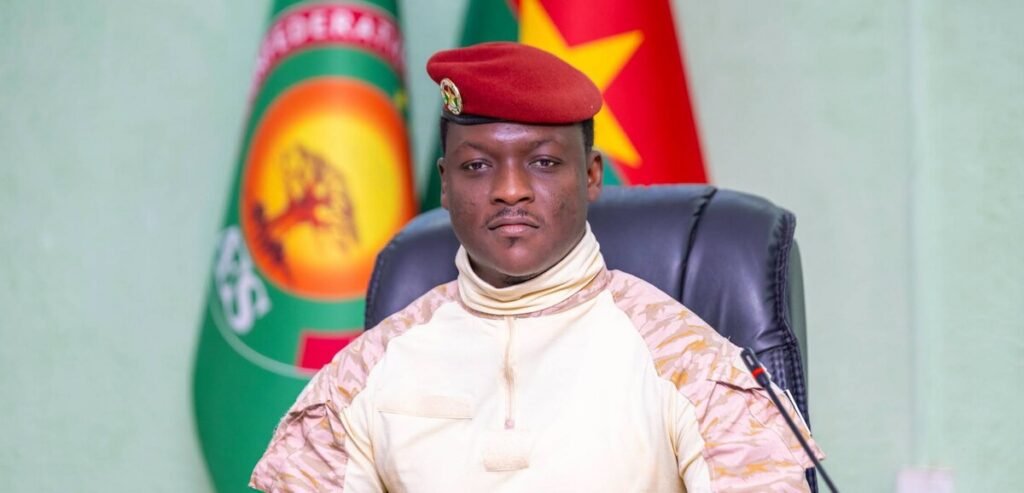
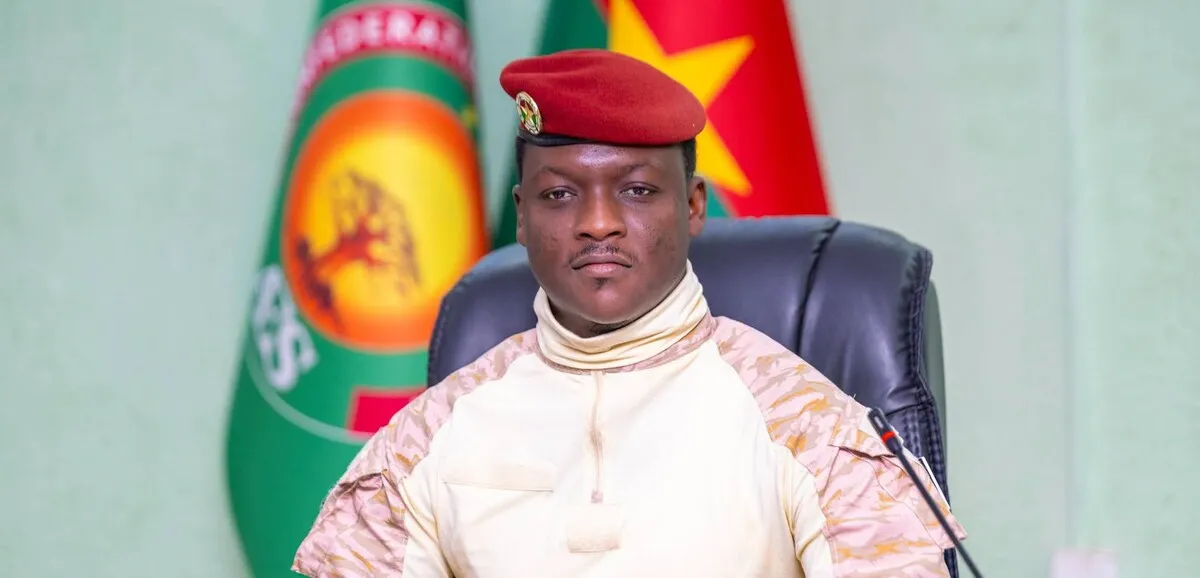
Burkina Faso junta mandates military training for journalists
In Burkina Faso, 44 journalists recently completed a week-long military-style training program focused on ‘patriotism.’ The initiative, organized by the Ministry of Security, has sparked significant debate regarding its implications for press freedom in the country.
Unusual scenes unfolded in Burkina Faso as 44 journalists, both from public and private media outlets, traded their usual attire for military uniforms. Armed with rifles and marching in formation, they spent nearly a week at the Police Academy in Pabré, just outside Ouagadougou. The training, initiated by the Ministry of Security, spanned from Sunday to Friday. Broadcast footage by the national broadcaster RTB captured journalists engaging in physical drills, singing patriotic songs, and handling firearms. The Minister of Communication, Pingdwendé Gilbert Ouédraogo, posed a pointed question to the participants: would they become ‘patriotic and professional journalists’? Their resounding response was ‘Affirmative.’
Defending the nation or compromising journalism?
The Burkinabè government has defended the program as a vital step in fostering national unity. Lassina Traoré, Director General of the Police Academy, emphasized that the training aimed to immerse journalists in the operational realities and core values of the defense and security forces. Minister of Security Mahamadou Sana went further, announcing plans to institutionalize this training as an annual tradition for media professionals. He also hinted at expanding the initiative to include ‘other socio-professional groups.’ For the authorities, this immersion is crucial in bolstering patriotism amid a prolonged jihadist insurgency.
Press freedom advocates raise the alarm
This initiative has drawn sharp criticism from press freedom advocates. ‘This is a deeply concerning development for press freedom,’ stated Sadibou Marong, Director of RSF’s Sub-Saharan Africa bureau. The organization cautioned that journalists must remain independent observers rather than becoming ‘conduits for wartime propaganda.’ RSF has urged Burkinabè authorities to safeguard media independence and ensure that journalists are not coerced into supporting military narratives.
Media under increasing pressure
The timing of this training coincides with a period of heightened tension for journalists in Burkina Faso. Since the 2022 coup led by Captain Ibrahim Traoré, several media outlets have been suspended, and critical voices have been systematically silenced. Reports indicate that journalists and other regime critics have been forcibly conscripted into counter-jihadist operations. The government, however, frames its actions as part of a ‘sovereignist’ agenda, promoting a ‘popular progressive revolution.’
War as justification
Burkina Faso has been grappling with an insurgency led by armed groups affiliated with Al-Qaïda and the Islamic State since 2015. The conflict has resulted in thousands of deaths and displaced millions. In this context, the junta argues that national mobilization is essential for survival. Yet, the announcement of mandatory military training for journalists raises a critical question: to what extent can patriotism be enforced without eroding the independence of those tasked with informing the public? For RSF, the answer is unequivocal—journalism must remain journalism, even in times of war.
You may also like
Naples – Arsenal, avant-match de Ligue des champions de l’UEFA : tout ce qu’il faut savoir
From Dakar to the skies, Air Sénégal welcomes the Boeing 737-800 ‘Gorée’
Arsenal vs Chelsea: Premier League derby time and TV channel
Serie a showdown: Juventus host AC Milan in top-of-table clash
Cameroun launches tender for 60 000 tonnes of gpl