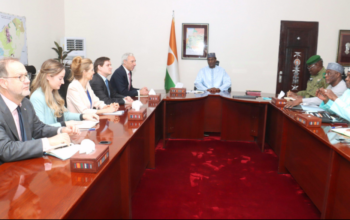
Ouagadougou hosts pivotal aquaculture strategy launch
In Ouagadougou, leaders from Burkina Faso’s aquaculture industry have finalized and unveiled a suite of strategic frameworks designed to guide the sector’s long-term growth. The announcement, made during a high-level gathering, includes a comprehensive sector assessment, an investment roadmap, and an operational guide—all crafted to steer both public policy and private capital toward sustainable aquaculture development.

Sahel resilience initiative drives sector transformation
The initiative is aligned with the Sahel RESILAND program, a regional effort focused on strengthening the resilience of Sahelian landscapes and the communities that rely on them. Core priorities include sustainable land and water management, ecosystem restoration, and diversifying rural livelihoods to create jobs and lift living standards.
Central to this strategy is knowledge generation, which informs policy choices, shapes future interventions, and tailors solutions to local conditions. The Africa Sustainable Aquaculture initiative, operating across the Sahel, plays a key role by delivering in-depth country assessments and defining clear investment pathways for sustainable aquaculture growth in countries like Burkina Faso, Mali, Niger, and Chad.
Unlocking potential through targeted action
Recent assessments have mapped Burkina Faso’s aquaculture landscape, revealing both untapped potential and structural challenges. The findings have informed the creation of an investment pathway that highlights strategic priorities, funding needs, and implementation mechanisms. A companion guide has also been developed to support public and private project leaders in navigating the sector’s opportunities.
Addressing participants at the event, Issiaka Zouri, Study Officer at the General Secretariat of the Ministry of Agriculture, Water, and Animal and Fisheries Resources, praised the collaborative effort behind these results. He emphasized that the initiative aligns perfectly with national goals to expand livestock and fisheries production, as outlined in the Agropastoral and Fisheries Offensive.
Zouri highlighted Burkina Faso’s significant water resources and largely untapped fisheries potential. With these strategic documents now in place, the country is poised to strengthen its aquaculture value chain, boost domestic fish production, and enhance food and nutrition security—while creating new economic avenues for young people and women across the nation.