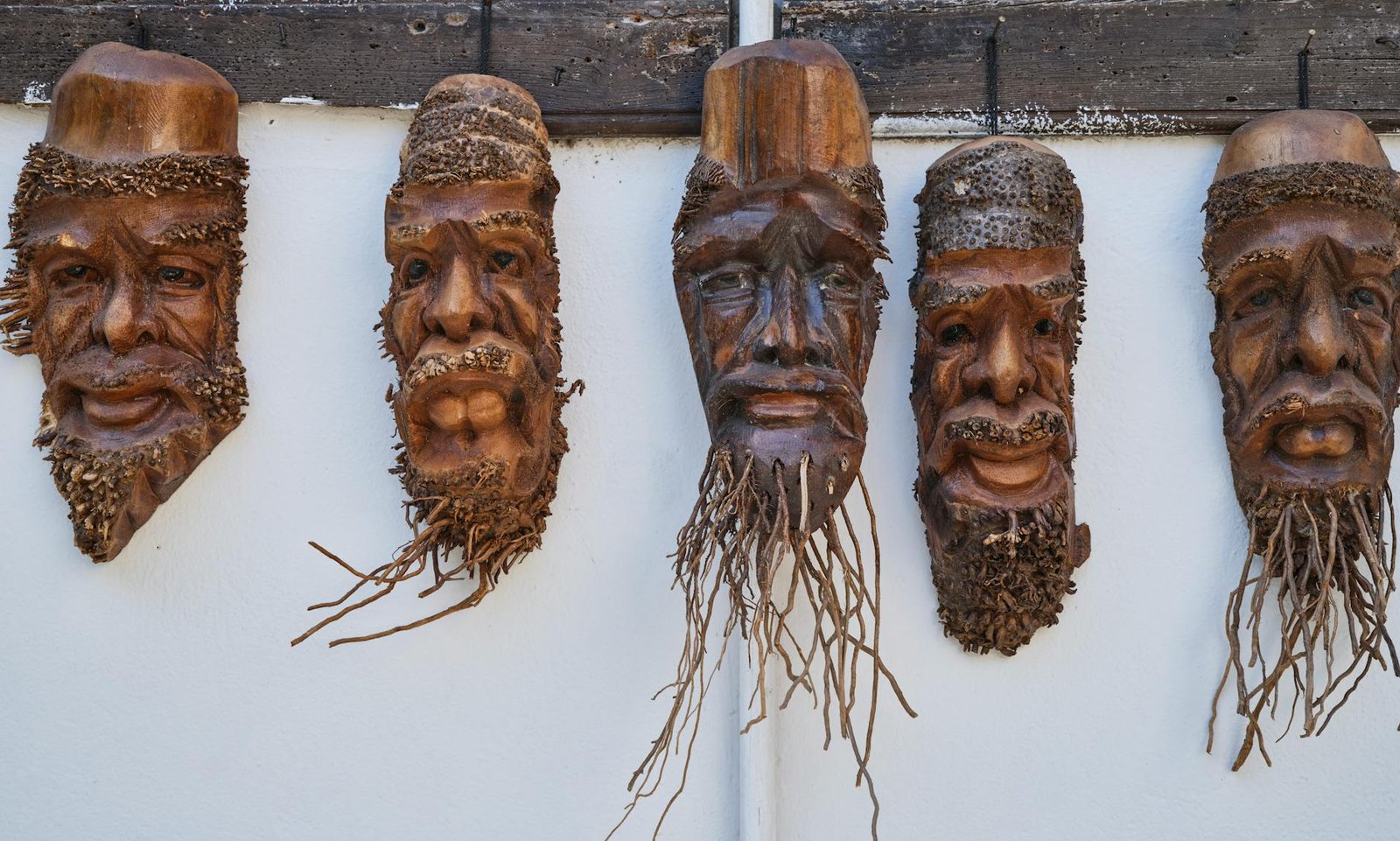
Bordeaux has taken a groundbreaking step in the restitution of African heritage. On June 1, 2026, the city council officially declined a bequest of 53 artworks from multiple African countries, currently housed in the Musée d’Aquitaine’s reserves. While this decision may seem contradictory, it serves a critical legal purpose. Under French law, public collections are inalienable—once integrated, restitution becomes nearly impossible. By refusing the bequest, Bordeaux avoids this legal hurdle, paving the way for 33 Gabonese artifacts to return to Libreville.
Legal maneuvering to bypass inalienability
This Bordeaux initiative highlights the innovative approaches French municipalities are adopting to address restitution demands from African nations. Since the 2018 Sarr-Savoy report, the debate over returning colonial-era cultural property has gained momentum, though no comprehensive legislation has emerged. Each case requires a tailored legal solution. By rejecting the bequest before public museum integration, Bordeaux sidesteps the inalienability principle, retaining the flexibility to arrange a direct transfer.
This strategic move is not merely administrative. It reflects Bordeaux’s political commitment to confronting its colonial legacy. The city, whose 18th-century prosperity was tied to the transatlantic slave trade, has increasingly embraced memory initiatives. The June decision extends beyond symbolism, embedding restitution into positive law.
Gabon stands to benefit first in an evolving movement
For Libreville, the return of 33 artifacts transcends cultural significance. These pieces—masks and reliquaries from Fang, Punu, Kota, or Tsogho cultures—are among the most coveted in the global art market, with some Kota reliquary statuettes fetching hundreds of thousands of euros at auctions. Their recovery aligns with Gabon’s post-2023 regime shift, which has prioritized cultural sovereignty as a key diplomatic and national narrative.
Yet operational uncertainties remain. While Bordeaux’s refusal initiates the process, it does not finalize it. French authorities must still define the transfer framework, and Gabon must demonstrate readiness to store, conserve, and exhibit these works to international museum standards.
A potential blueprint for French restitution
Bordeaux’s approach could inspire other French cities—Marseille, Lyon, Nantes, or La Rochelle—facing similar restitution claims. Many hold colonial-era collections with ambiguous legal statuses. The Girondin model offers a replicable solution, provided the bequests haven’t yet entered public collections. For African nations, this path promises speed, bypassing the need for parliamentary decree-by-decree legislation.
The implications stretch beyond Gabon. Senegal, Benin, Ivory Coast, and Cameroon are closely watching. France’s 2021 restitution of 26 royal treasures to Benin required a special law. Bordeaux’s method, though quieter, may prove more efficient for the thousands of African artifacts still scattered across French museums. The Gabonese case now serves as a litmus test for patrimonial diplomacy between Paris, French municipalities, and African governments.