
Bénin’s new public advocate: razacki amouda issifou takes on the role
A significant institutional reform in Bénin has led to a new method for appointing the Republic’s Mediator. Under this revised framework, the individual serving as the first vice-president of the Economic and Social Council (CES) will now automatically assume this crucial public service position. This change brings Razacki Amouda Issifou into the role of Mediator of the Republic.
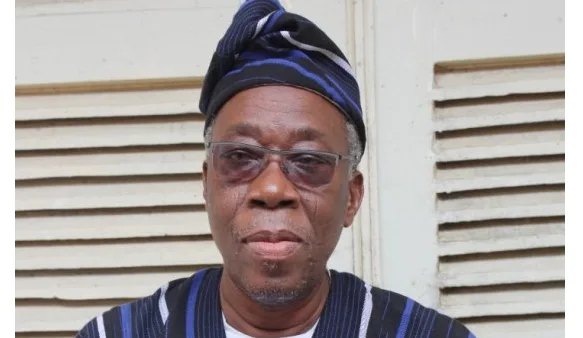
Razacki Amouda Issifou has been confirmed as the new Mediator of the Republic for Bénin. His appointment follows the parliamentary adoption of amendments to the law governing this vital institution, which occurred on Wednesday, June 24, 2026.
This legislative update dictates that the responsibilities of the Mediator of the Republic are now inherently linked to the office of the first vice-president of the CES. This reform effectively discontinues the previous system, which relied on direct nominations.
As the current first vice-president of the CES, Razacki Amouda Issifou naturally steps into this significant role. He succeeds Pascal Essou, who had held the position since 2021. The deputies of the National Assembly formally approved this institutional evolution during a plenary session, marking it as a key part of ongoing reforms aimed at refining the operational structure of the Republic’s institutions.
Razacki Amouda Issifou brings extensive experience in public affairs to his new post. A seasoned jurist, he previously served as vice-president of the Constitutional Court. His distinguished career also includes terms as a deputy, president of the National Assembly’s Law Commission, mayor, and secretary-general of the inaugural Autonomous National Electoral Commission (CENA) in 1996.
The core mandate of the Mediator of the Republic is to facilitate the amicable resolution of disagreements between citizens and various public administrative bodies. This office plays a crucial role in mediating solutions when individuals perceive they have been unjustly treated in their interactions with state services.
You may also like
As donor fatigue spreads, can Benin’s €544,042 UNAIDS pledge keep the HIV response on track?
Who pays the price when Burkina Faso’s public payroll contracts? Households weigh the cost of 1,917 fewer agents
Libya pushes for direct Tripoli-Yaoundé flights as Cameroon sets up working groups
JNIM seizes three Burkinabè positions in a single day as Traoré’s security record faces hard questions
Chad condemns Ennedi-East airstrikes at un general assembly, warns of retaliation