Bénin’s Senate inauguration: A historic milestone
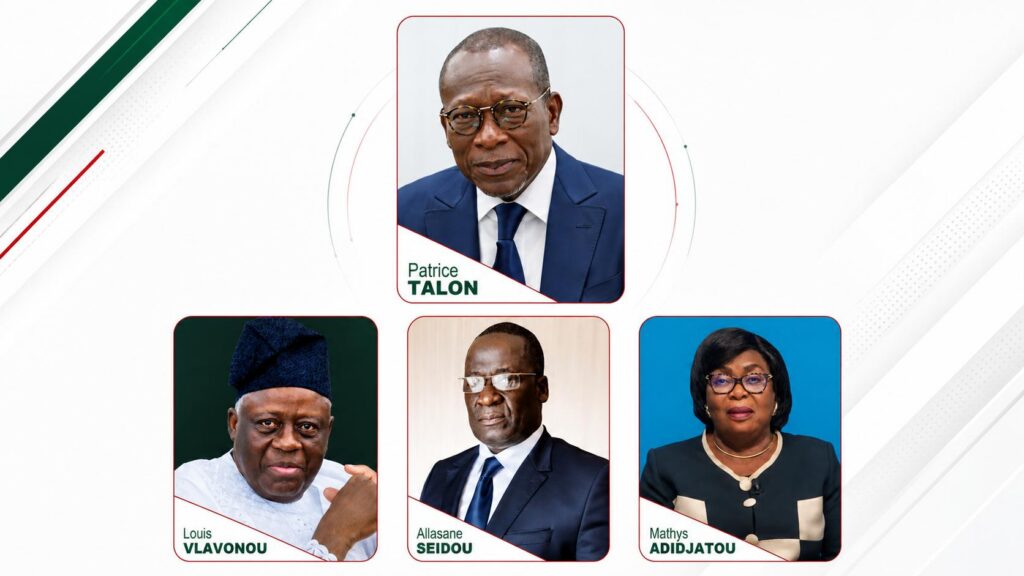
On August 6, 2026, Bénin reached a pivotal moment in its political evolution with the landmark election of the first executive bureau of the newly established Senate. Leading this transformative body is Patrice Talon, the nation’s former president, whose selection reflects a strategic move toward institutional continuity and legislative excellence. The new Senate’s bureau brings together seasoned political figures, signaling a commitment to robust governance and refined policy-making.
Building a chamber rooted in experience and vision
Born from the sweeping constitutional reforms of November 2025, the Senate emerges as a cornerstone of Bénin’s democratic framework. Its primary mandate is to deepen legislative scrutiny, enhance governance, and foster inclusive policy development. The election of Patrice Talon—backed by a bureau comprising Louis Vlavonou (former National Assembly president), Alassane Séïdou (ex-Interior Minister), and Adidjatou Mathys (veteran senator and ex-minister)—underscores the Senate’s dedication to merging political wisdom with administrative skill.
Patrice Talon’s presidential legacy: A foundation for Senate success
Talon’s ascendancy to the Senate presidency is anchored in his eight-year tenure as president, during which he championed sweeping reforms across critical sectors. His leadership left an indelible mark on Bénin’s infrastructure, economic policies, and institutional architecture.
Transforming infrastructure and urban landscapes
Under his administration, Bénin witnessed unprecedented infrastructure upgrades, including the modernization of road networks, urban renewal projects, and strategic investments in ports and energy infrastructure. These initiatives bolstered the country’s economic competitiveness within West Africa, attracting regional trade and investment.
Economic reforms and fiscal discipline
Talon’s tenure prioritized macroeconomic stability through rigorous fiscal policies, business climate enhancements, and public sector digitalization. These efforts cultivated investor confidence, driving sustainable growth and job creation across the nation.
Strengthening state institutions
His presidency focused on institutional modernization, streamlining governance structures, and aligning legal frameworks with contemporary developmental challenges. This visionary approach laid the groundwork for a more agile and responsive state apparatus.
Why an experienced leader matters for Bénin’s Senate
The Senate’s new presidency benefits from Talon’s unparalleled expertise in statecraft. His deep understanding of economic, social, and diplomatic affairs positions him to refine legislative processes, ensuring laws align with Bénin’s long-term prosperity. Beyond policy acumen, his leadership embodies stability, fostering constructive collaboration between the executive and legislative branches.
Balancing continuity with innovation
Talon’s administrative rigor and results-driven approach are expected to infuse the Senate with a culture of efficiency. His ability to navigate complex governance challenges—from financial oversight to inter-institutional coordination—positions the chamber as a pillar of national progress.
Charting the Senate’s path forward
With its inaugural bureau now in place, the Senate faces a dual mandate: rigorous legislative oversight and territorial representation. The synergy between Talon’s leadership, Vlavonou’s parliamentary experience, and the bureau’s collective expertise will be instrumental in shaping the Senate’s credibility and impact.
The chamber’s responsibilities—reviewing laws, advising on national priorities, and amplifying regional voices—demand a blend of political sagacity and operational precision. Early indicators suggest the Senate is poised to become a dynamic force in Bénin’s governance landscape.
Patrice Talon’s return: A renewed commitment to Bénin’s future
Talon’s Senate presidency marks his reemergence as a central figure in Bénin’s governance. By channeling his strategic foresight, institutional knowledge, and unwavering dedication to development, he is uniquely positioned to guide the Senate toward greater efficacy, respect, and national significance. His leadership signals a new chapter where experience meets ambition, ensuring Bénin’s democratic institutions thrive in an era of evolving challenges.
You may also like
Mali: can justice deliver for civilians after Amnesty’s war crimes findings?
Mali’s fuel lifeline: can a single BOAD loan of 8 billion CFA truly steady the nation’s energy sector?
Burkina Faso’s gold refinery: a genuine step toward sovereignty or a new form of dependence?
Niger’s competitive dialogue at three years: reform breakthrough or just paperwork?
Can Benin’s UN push for security cooperation and multilateralism deliver on its promises?