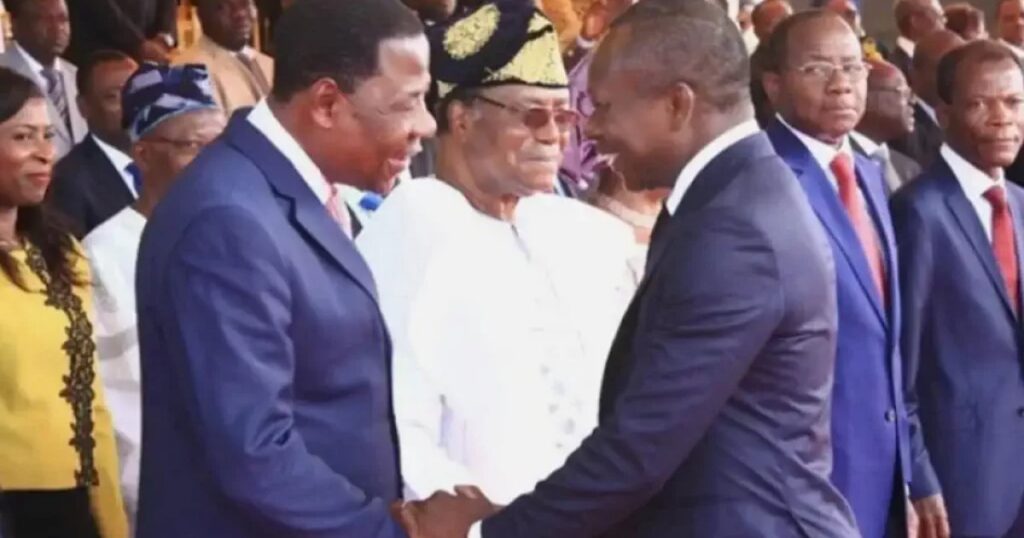
Bénin senate’s first bureau election marks historic bicameral milestone
A defining chapter in Bénin’s democratic evolution approaches its climax. Tomorrow, Thursday August 6 2026, the 25 senators will convene at Porto-Novo’s Governor’s Palace for a landmark plenary session focused on selecting the executive bureau of the newly established second chamber.
Meeting agenda
Following the constitutional court’s validation of the internal regulations, the senate’s inaugural bureau election becomes the next critical milestone. Three key positions will be contested during tomorrow’s historic vote: the presidency and two vice-presidencies that will constitute the executive bureau for the five-year term.
Presidential candidates take center stage
Several prominent political figures emerge as potential candidates for the senate presidency, each bringing unique qualifications to the table:
- Patrice Talon: The sitting president’s predecessor brings unparalleled institutional reform credentials and deep understanding of republican governance.
- Nicéphore Soglo: A towering figure in Béninois democracy, his extensive public service background and former presidency offer wisdom and balance.
- Boni Yayi: Another former head of state, his public administration expertise positions him as a natural candidate for this strategic oversight chamber.
- Adrien Houngbédji: A parliamentary veteran and legal scholar, his decades of leadership in the national assembly make him uniquely qualified to guide the senate’s inaugural proceedings.
Shaping the restricted bureau
Beyond the presidency, tomorrow’s vote will determine the two additional members who will complete the three-person executive bureau. This restricted leadership team bears the responsibility for steering debates, safeguarding the chamber’s independence, and ensuring effective legislative oversight throughout their five-year mandate.
You may also like
Can Ibrahim Traoré’s 300 armored vehicles claim survive scrutiny? Inside Faso Armored’s made-in-Burkina Faso gamble
Can Washington force third-country deportations? Ivory Coast’s refusal raises the stakes
Will Benin’s AEO exporters finally crack the Chinese market?
Northern Niger’s unanswered question: can Tiani’s government deliver water and power where it matters most?
Can Air Sénégal survive the Interpol smuggling probe? The stakes for crew, passengers and the airline’s future