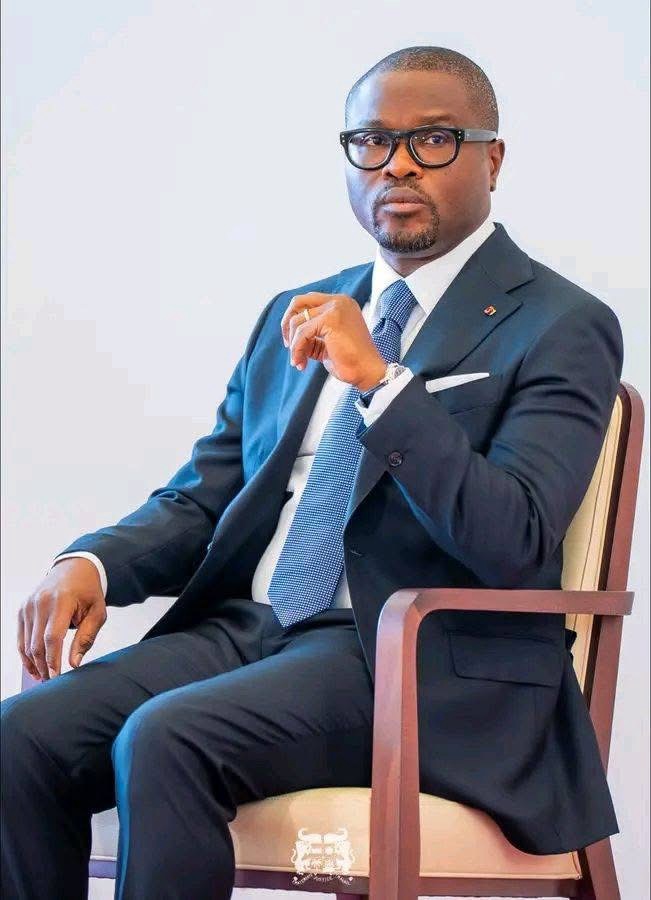
From 200 years behind bars to freedom: a historic pardon
In an unprecedented move, Bénin’s President Romuald Wadagni granted clemency to Donouvossi Olivier, a man sentenced to 200 years in prison for armed robbery. After serving 28 years and one month of his sentence, Olivier walked free on July 31, 2026, long before his original release date of June 2198. This decision marks one of the most significant cases in recent Béninois judicial history.
The 200-year sentence, handed down in 1998, was not just a punishment but a near-permanent exclusion from society. Yet, the presidential act of clemency demonstrated that justice, while firm in its principles, can also embrace humanity when circumstances permit.
A wave of releases: over 360 inmates regain freedom
Donouvossi Olivier’s case is not an isolated incident. His release is part of a broader policy that saw 369 inmates across Bénin’s prisons granted clemency or amnesty. This sweeping measure reflects a deliberate political strategy to address systemic challenges in the country’s justice system.
Many African judiciaries grapple with issues such as prison overcrowding, prolonged pretrial detention, and the difficulties of reintegrating former inmates. By exercising clemency, the Béninois government signals a commitment to balancing justice with social rehabilitation.
Clemency without erasing justice
It is crucial to understand that clemency does not negate the original verdict or erase the convicted individual’s responsibility. Instead, it temporarily or permanently halts the execution of the sentence. This distinction ensures that the justice system’s authority remains intact while allowing for exceptions that prioritize humanity.
In Olivier’s case, the clemency act acknowledged that after nearly three decades behind bars, the punitive aspect of his sentence had long since been fulfilled. The focus shifted to his rehabilitation and potential reintegration into society.
Rehabilitation: the cornerstone of modern justice
Bénin’s clemency policy underscores a modern judicial philosophy: punishment must serve a purpose beyond mere retribution. When decades have passed, the emphasis naturally shifts from incarceration to the possibility of redemption.
The authorities’ decision to release Olivier highlights that justice should not permanently condemn individuals whose lives have been fundamentally altered by time and circumstance. It also sends a powerful message to prison administrations across the country.
Prisons as spaces for change, not just punishment
Clemency acts like this one can incentivize positive behavior within prisons. By offering the prospect of early release, authorities encourage inmates to engage in rehabilitation programs, vocational training, and good conduct. This approach aligns with global best practices in prison management, which emphasize preparation for reintegration rather than perpetual isolation.
A justice system that prioritizes rehabilitation reduces recidivism and fosters a more inclusive society. The Béninois government’s move reflects an understanding that prisons must do more than confine; they must also transform.
Political symbolism: a president’s stance on governance
Romuald Wadagni’s clemency decision carries significant political weight. In his early months in office, he chose to demonstrate that authority and compassion are not mutually exclusive. While some leaders emphasize repression to assert control, Wadagni opted for a nuanced approach that balances institutional firmness with ethical considerations.
This decision reinforces his image as a leader committed to human rights, effective governance, and progressive public policies. It also illustrates how constitutional tools can be wielded not just for individual cases but as part of a broader vision for the state.
Global implications: Bénin’s commitment to humane justice
Bénin’s clemency policy resonates beyond its borders. International partners increasingly scrutinize penal policies, prison conditions, and social reintegration mechanisms. By implementing such a sweeping act of clemency, the country positions itself as a proponent of humane justice.
This move strengthens Bénin’s credibility in international discussions on human rights and judicial reform. It sends a clear signal that the nation is willing to modernize its justice system while upholding institutional integrity.
A new chapter for justice in Bénin
The release of Donouvossi Olivier serves as a powerful symbol of change. Behind his story lies a broader question: when does punishment cease to serve its intended purpose, and when does society owe individuals a second chance?
By transforming an irreversible sentence into an opportunity for renewal, President Wadagni has redefined the beginning of his tenure. His decision affirms that justice must not only punish but also repair, reintegrate, and restore hope to those who have paid their debt to society sometimes for lifetimes.
You may also like
As donor fatigue spreads, can Benin’s €544,042 UNAIDS pledge keep the HIV response on track?
Who pays the price when Burkina Faso’s public payroll contracts? Households weigh the cost of 1,917 fewer agents
Libya pushes for direct Tripoli-Yaoundé flights as Cameroon sets up working groups
JNIM seizes three Burkinabè positions in a single day as Traoré’s security record faces hard questions
Chad condemns Ennedi-East airstrikes at un general assembly, warns of retaliation