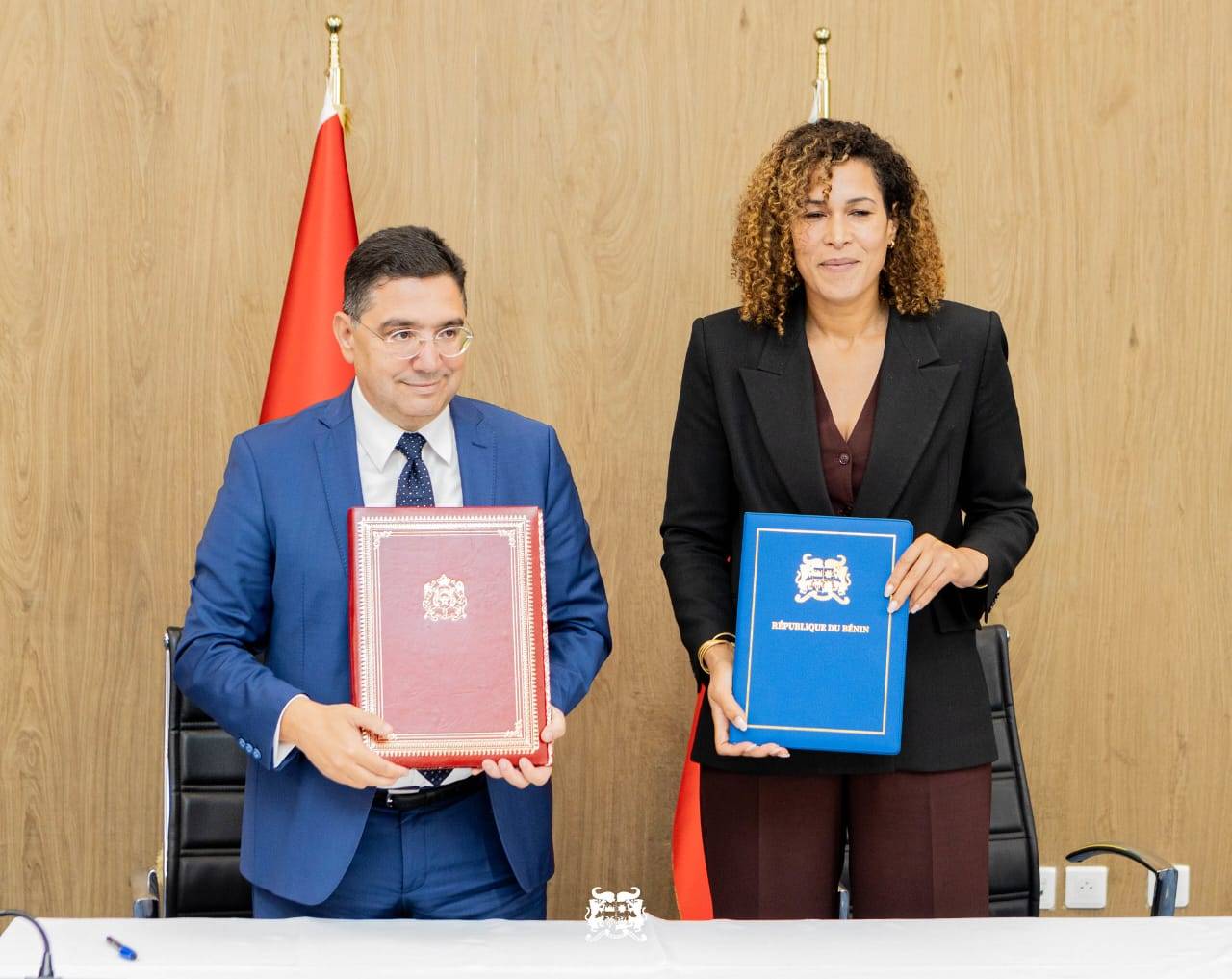
The Benin and Morocco have taken a historic step forward in their bilateral relations, marked by the conclusion of the 7th joint cooperation commission held in Cotonou. Beyond the ratification of fourteen strategic agreements, the future of travel between the two nations is set to change dramatically.
Diplomatic breakthrough in west africa
On July 21, 2026, Cotonou played host to a landmark diplomatic event as the 7th Benin-Morocco Joint Cooperation Commission convened. The gathering underscored a shared commitment to elevate the relationship from historical ties to a robust economic and mobility partnership.
During high-level discussions, Nasser Bourita, Morocco’s Minister of Foreign Affairs, African Cooperation, and Moroccans Residing Abroad, unveiled a transformative proposal: the consideration of visa exemptions for Beninese citizens holding ordinary passports. Though not yet formally implemented, the announcement carries immense symbolic weight, reflecting deepening political alignment and mutual trust between Benin and Morocco.
Economic boost on the horizon
The potential economic ripple effects of this decision are substantial. Easing visa restrictions would directly catalyze trade and investment flows between the two nations.
For Beninese and Moroccan entrepreneurs, the elimination of bureaucratic hurdles and visa delays represents a significant reduction in transaction costs. Small and medium-sized enterprises (SMEs) and startups stand to benefit from streamlined access to each other’s markets. Moroccan investors, already active in West African banking and insurance sectors, could accelerate their expansion into Benin. Meanwhile, Beninese exporters would gain a vital gateway to North African markets.
« Free movement of businesspeople fuels cross-border commerce. Eliminating visas removes transaction barriers and encourages bold commercial ventures. »
The initiative builds on progress already made since January 1, 2024, when Morocco introduced an e-Visa system, drastically cutting administrative delays. A full exemption would mark the transition to a seamless business environment.
Education, tourism and cultural exchange flourish
The benefits of this diplomatic shift extend far beyond economics. Morocco has long been a top destination for Beninese students pursuing higher education or professional training. Visa-free travel would simplify enrollment and academic pursuits for young talents.
Tourism and cultural exchange would also thrive under this new framework. Easier travel would boost business and leisure trips to iconic destinations like Marrakech and Fès, while enhancing medical tourism and health-related travel. Scientific and technical collaboration would likewise gain momentum.
Fourteen agreements to deepen ties
The visa announcement was not made in isolation. The joint commission resulted in the signing of fourteen cooperation agreements spanning critical sectors such as the economy, higher education, culture, investment, and institutional collaboration.
Key commitments include expanding scholarship programs, strengthening reciprocal investment protections, and fostering partnerships in creative industries. Both nations emphasized the need for rigorous monitoring mechanisms to ensure these agreements translate into tangible results on the ground.
A model for continental integration
This initiative aligns with Morocco’s vision for stronger South-South cooperation and Benin’s drive to accelerate economic integration and diversify regional partnerships.
By facilitating the movement of people and goods, Cotonou and Rabat are sending a powerful signal across Africa. Continental integration and the African Continental Free Trade Area (AfCFTA) are built on concrete bilateral actions. The finalization of this exemption will soon reshape the daily lives of citizens in both nations.