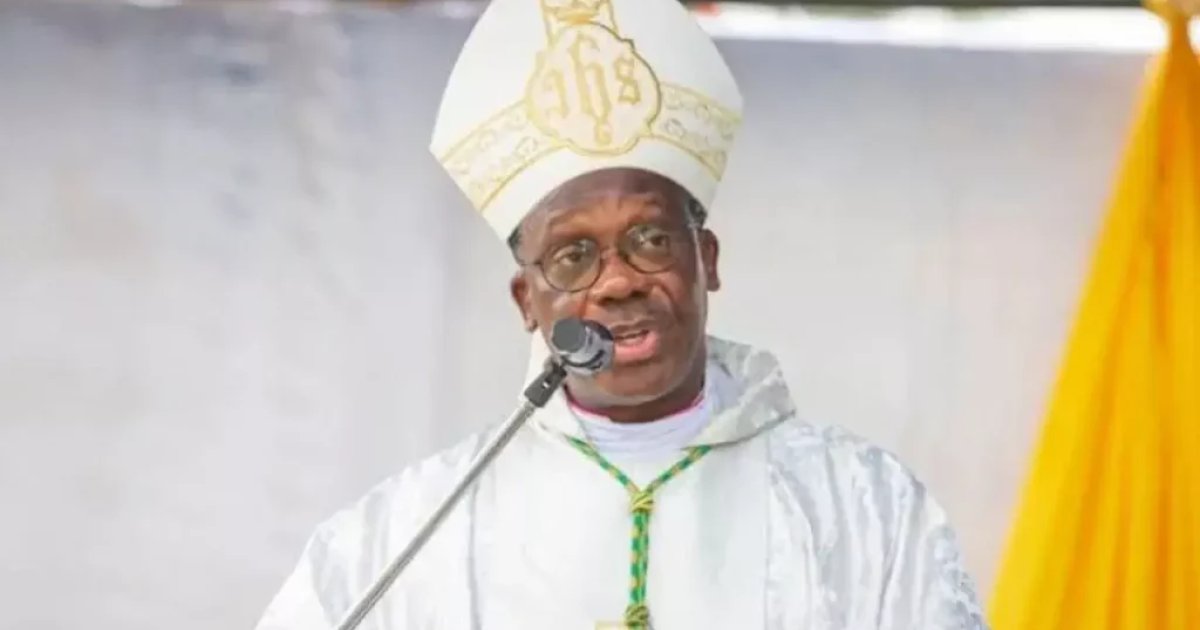
The Institute of Artisans for Justice and Peace (IAJP) convened a high-level conference in Cotonou on July 23, 2026, bringing together religious leaders, policymakers, and civil society representatives. The gathering centered on the theme “Rule of Law and Political Alternation in Africa: A Critical Pillar for Stability and Growth.”
Human dignity at the core of sustainable development
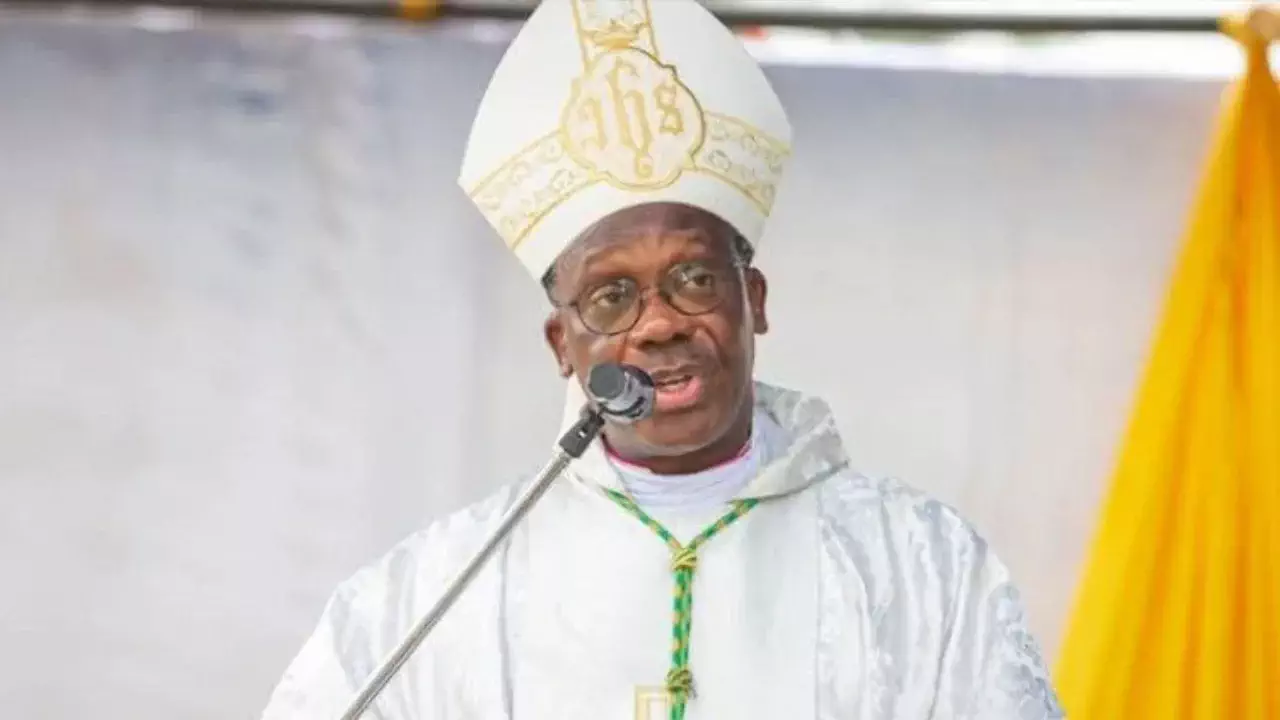
Opening the session, Archbishop Roger Houngbédji, Metropolitan Archbishop of Cotonou and President of the Bénin Episcopal Conference, framed Africa’s development not merely as an economic challenge but as a structural one. He argued that long-term progress depends on robust institutions, transparent governance, and a judiciary free from political interference. “Without justice, no nation can claim true stability,” he asserted, urging African governments to prioritize institutional integrity alongside economic growth.
Bénin’s progress and lingering gaps
The Archbishop highlighted Bénin’s recent reforms as a case study in institutional modernization. He praised the establishment of the Commercial Court, the overhaul of business legislation, and the creation of the Court for the Repression of Economic and Terrorist Offenses (Criet)—measures that have improved the country’s standing in global governance rankings. Yet he cautioned that reforms must go beyond paperwork. “Economic growth cannot mask the erosion of public freedoms,” he warned, pointing to ongoing debates over judicial independence and democratic consolidation.
Church as a bridge in times of tension
Beyond policy, Archbishop Houngbédji underscored the Catholic Church’s role as a mediator during political crises, from post-2019 election unrest to pre-2026 election dialogues. While stressing that the Church does not seek to replace state institutions, he emphasized its commitment to fostering reconciliation and national cohesion. “Our mission is to remind leaders that power is a trust, not an end in itself,” he stated.
Concluding the conference, the Archbishop called on African leaders to harmonize economic efficiency with social justice, pluralism, and fundamental rights—cornerstones of a development model that leaves no one behind.