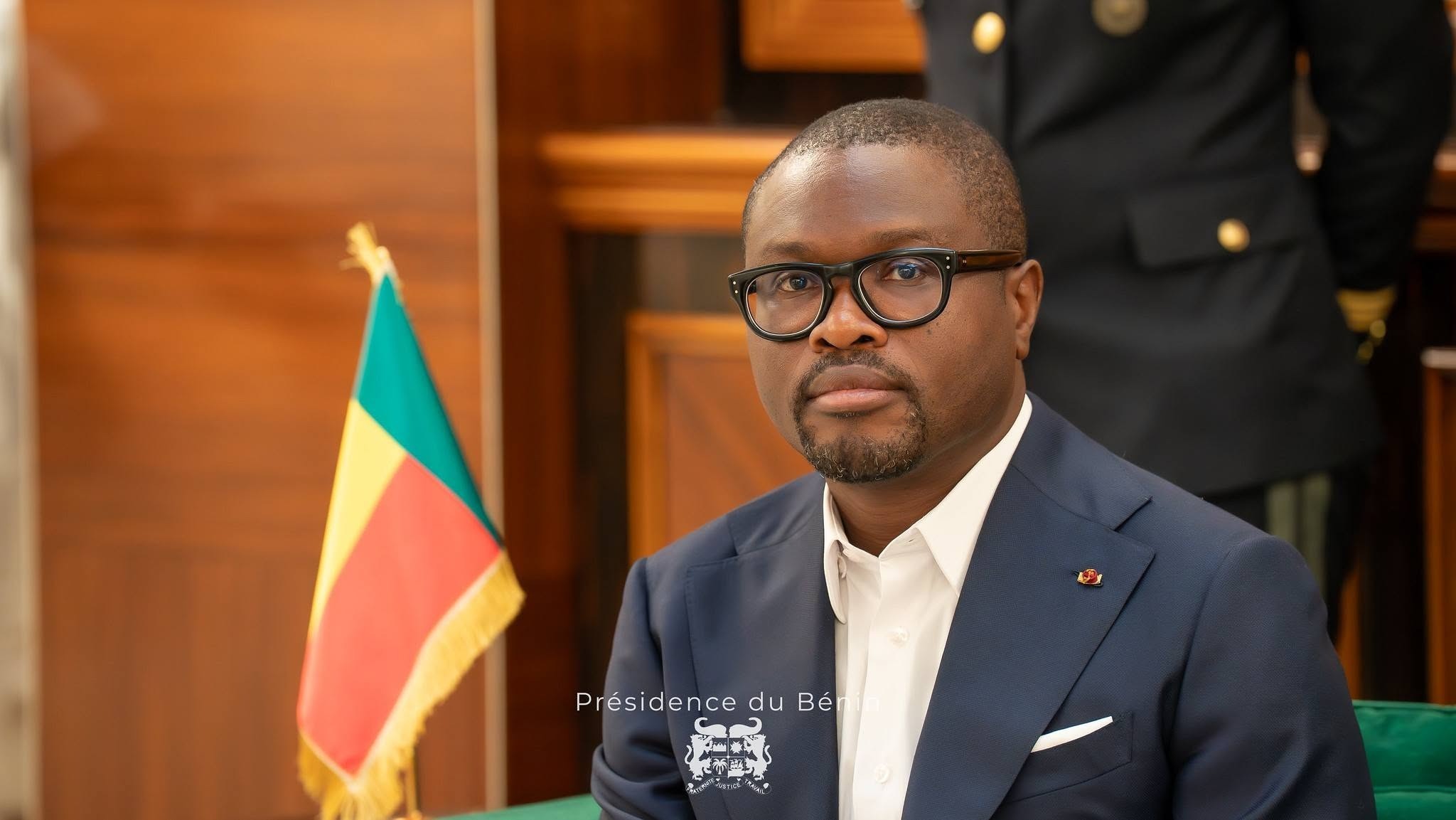
The government of Bénin has adopted an unprecedented corrective budget for the year 2026. Guided by the vision of the new head of state, Romuald Wadagni, this major budgetary reorientation demonstrates that the country, in full transformation, places human development at the core of its economic priorities and continues to surprise observers and international partners.
Bénin is definitively a nation in motion, often unexpected yet consistently where boldness is required. By approving a supplementary budget that propels state expenditure beyond the symbolic threshold of 4,000 billion FCFA, the government has made a powerful statement. This 8% increase from initial projections is not a mere accounting adjustment; it represents the financial embodiment of the very first major directions set by the newly elected president, Romuald Wadagni.
The Wadagni effect: a strong commitment to social impact
Having previously served as the country’s finance minister and known for his rigor and deep understanding of international financial mechanisms, President Wadagni has quickly left his mark. This corrective budget signals a swift transition toward a more equitable and inclusive economy.
By crossing this historic milestone, Bénin sends a clear message to partners and investors: macroeconomic performance must translate into concrete social well-being. The new budgetary priorities strongly favor basic social sectors that, while long considered important, now receive unprecedented resources to achieve a true qualitative leap.
A massive plan for health, education, and land
The scale of the budget increase revolves around major strategic investments designed to transform the lives of Béninese citizens:
- One billion for systematic healthcare provision: A historic allocation is mobilized to guarantee access to health services. This substantial investment aims to systematize quality care across the entire territory, strengthening universal health coverage so that no citizen is left behind.
- Free schooling for girls: As a flagship measure for equal opportunity and human capital, the government realizes its ambition of education for all. Removing financial barriers to girls’ education is a lever for empowerment and a long-term investment for the nation.
- Infrastructure and agriculture: The modernization of transport and energy infrastructure continues at an accelerated pace to connect isolated regions, while agriculture receives enhanced support. This dual focus aims to ensure food security while boosting rural producers’ incomes.
The message is clear: Bénin is accelerating its pace, backed by governance that combines political boldness, human-centric investment, and technical mastery.
A 7.5% growth rate: the performance bet
The surprise lies not only in the increase in public spending and investment but also in the strength of macroeconomic fundamentals. Despite this major policy shift at the start of the presidential term, the government maintains its growth forecast of 7.5% for 2026.
“Maintaining such a robust growth projection while restructuring the budget mid-year in favor of social spending indicates a resilient Béninese economy and strong confidence in the capacity to mobilize domestic revenue,” comments a financial analyst based in Cotonou.
A country full of surprises
While many economies in the subregion navigate uncertainty amid global challenges, Bénin confirms its status as a “good student” and a laboratory of innovation in West Africa. This first major shift under Romuald Wadagni’s mandate proves that the country rejects the status quo and possesses both the strategic and financial resources to deliver positive surprises.
The Bénin of 2026 no longer simply follows established paths; it forges its own, demonstrating that fiscal discipline can coexist with social justice. The coming months will be decisive, and if this audacious supplementary budget is any indication, the country still has many surprises in store for those who doubted its capacity for reinvention.