
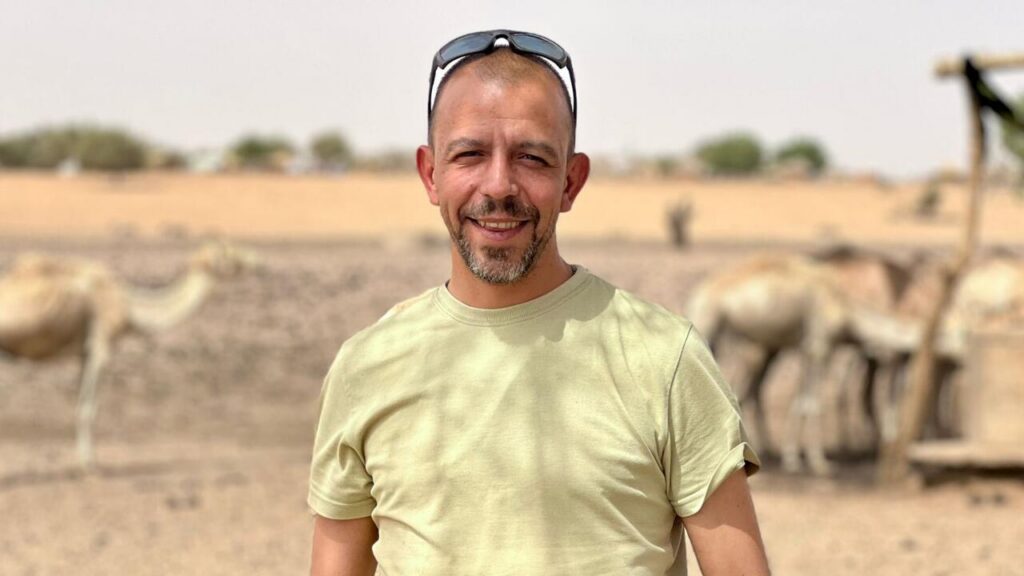
The harrowing experience of Joseph Figueira, the Belgo-Portuguese researcher held captive in the Central African Republic for over two years, has emerged in chilling detail. His detention, orchestrated by Russian mercenaries from the Wagner Group, began in Zemio, a remote town in the southeastern part of the country. His release, secured on humanitarian grounds in early April, has raised critical questions about the circumstances of his arrest and the motives behind it.
a brutal captivity in Bria
Figueira’s ordeal reached a terrifying climax in Bria, where he feared for his life daily. In a candid account shared from his home in Portugal, he described the psychological and physical toll of his confinement. The conditions in Wagner’s secret detention centers and Central African prisons left him with little hope of survival, as he navigated a labyrinth of uncertainty and danger.
was he a target or a victim of circumstance?
Central to the discussion is whether Figueira’s arrest was a deliberate act of political manipulation or merely an unfortunate coincidence. His background as a researcher, coupled with his international profile, makes his case particularly intriguing. The timing of his detention, coinciding with a broader campaign of propaganda, has fueled speculation about the motives behind his capture.
rebuilding life after captivity
Now reunited with his family in Portugal, Figueira is slowly piecing together the fragments of his life disrupted by captivity. His testimony sheds light on the harsh realities faced by those caught in the crossfire of geopolitical conflicts, particularly in regions where mercenary groups operate with impunity. As he reflects on his ordeal, his story serves as a stark reminder of the fragility of human rights in conflict zones.
Figueira’s experience underscores the dangers faced by humanitarian workers and researchers in unstable regions. His ordeal in the Central African Republic highlights the urgent need for accountability and protection for individuals operating in conflict zones, where the lines between political strategy and human suffering often blur.
You may also like
Niger: General Tiani faces growing unease within special forces after Russian involvement
Crise au Niger, accord FMI-Sénégal, bataille électorale au Maroc… Les 5 infos qu’il ne fallait pas manquer
Le Maroc, « partenaire stratégique important » de l’UE sur la migration
Cameroun : Joseph Dion Ngute, l’art de durer au milieu de la guerre des clans
Gabon’s RPM party praises Oligui Nguema’s leadership and demands action on promises