Civilian lives in Mali continue to bear the brunt of a conflict marked by indiscriminate attacks and systematic violations of international humanitarian law. A newly published investigation reveals the underlying mechanisms fueling this crisis — from aerial bombings in bustling markets to targeted strikes on critical healthcare infrastructure. The findings underscore not just the scale of suffering, but the root causes behind the country’s deepening humanitarian emergency.
The hidden cost of military operations
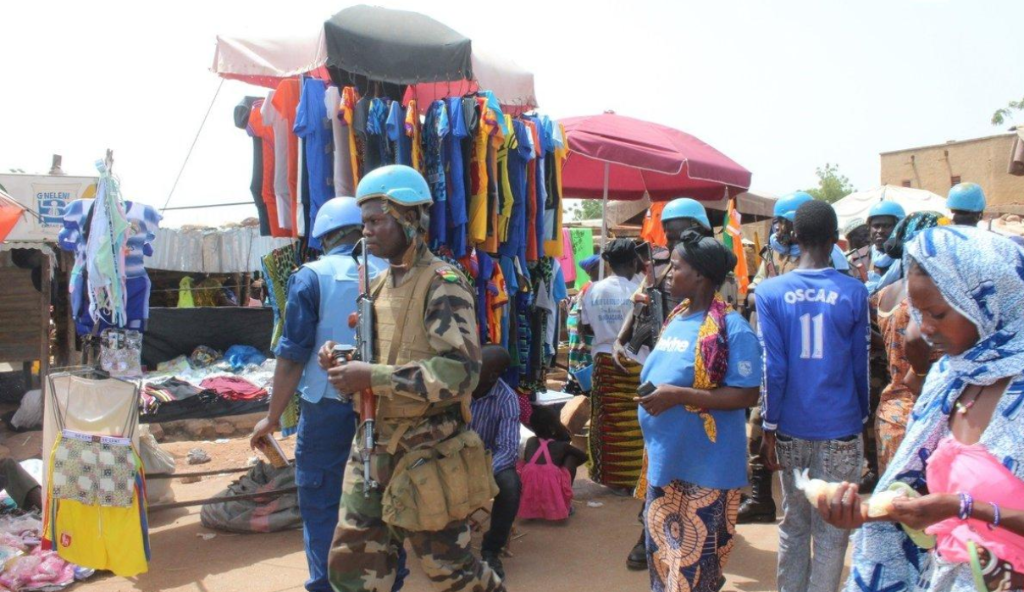
One of the most alarming incidents documented involved a drone strike on August 19 at the Tombonkore livestock market in the Bandiagara region. At least six civilians were killed and over 20 injured when precision munitions hit a crowded marketplace. Survivors and witnesses, including local merchants and animal traders, reported that no armed individuals— particularly members of armed groups—were present during the strike. The absence of visible military engagement raises serious questions about the operational oversight and proportionality of the attack.
Equally disturbing was the destruction of a community health center in Talahandak, Kidal region, on July 29. The facility, which served hundreds of residents daily, was partially demolished in what witnesses described as a military drone strike. The attack occurred during daylight hours and resulted in the loss of essential medical supplies and trauma kits—resources already in short supply due to years of conflict. The targeting of medical infrastructure violates core principles of the Geneva Conventions, which protect such facilities unless they are being used for military purposes.
Close calls with tragedy: civilian deaths in ground operations
In another incident on July 12 near Niono, in the Ségou region, five young girls—ranging from 10 to 13 years old—were fatally wounded while working in a rice field. Military officials later claimed the children were mistaken for assailants following an earlier ambush on soldiers. While the army issued apologies to the families, the episode exposes systemic failures in target identification and the use of force in civilian-dense areas. The blurring of combat lines and the risk of misidentification remain persistent threats in regions where insurgent activity blends with everyday rural life.
Elsewhere, traditional hunter militias known as Dozo, operating in support of Malian security forces, were implicated in the deaths of three civilians in Mopti during late July. The deaths occurred during a joint patrol operation, with local leaders reporting tensions between the militias and village residents. HRW’s investigation highlights the lack of transparency in such operations and the vulnerability of non-combatants caught in the crossfire.
Insurgent brutality and the erosion of civilian protections
The conflict is not solely driven by state forces. Armed groups, including the Group for the Support of Islam and Muslims (GSIM)—an Al-Qaeda affiliate—and the Azawad Liberation Front (FLA), have also perpetrated grave violations. On July 18 near Tabrichat in the Gao region, fighters from these groups ambushed a military convoy and executed at least 19 captured soldiers. The prisoners, many of whom had surrendered, were subjected to torture and extrajudicial killing—a clear violation of the laws of war governing the treatment of detainees.
These acts reflect a broader pattern: all parties to the conflict are exploiting gaps in accountability. Whether through the exploitation of civilian spaces, the denial of medical access, or the indiscriminate use of force, the warring factions are increasingly eroding the protections that should shield non-combatants.
Can regional institutions restore justice for civilians?
The latest report calls on the African Union’s Peace and Security Council to prioritize civilian protection in Mali. It urges the establishment of independent investigations into alleged abuses by all parties, including state security forces, allied militias, and armed groups. Such mechanisms are essential not only to document crimes but to ensure that perpetrators are held accountable and victims receive reparations and recognition.
The urgency of this demand is underscored by the government’s silence. Despite written findings submitted to the Malian Ministry of Defense in August, no official response has been received as of this report. This lack of engagement raises concerns about the state’s commitment to transparency and the rule of law—a critical foundation for sustainable peace.
What comes next for Mali’s civilians?
With no end to hostilities in sight, the civilian population remains trapped between military operations, insurgent attacks, and retaliatory violence. The international community and regional bodies must move beyond condemnation and take concrete steps: enforce adherence to international law, support impartial investigations, and ensure the delivery of humanitarian aid without obstruction.
The future of Mali hinges on whether its leaders and allies are willing to confront the systemic drivers of violence—not just the visible attacks, but the deeper failures of governance, oversight, and accountability that perpetuate suffering.