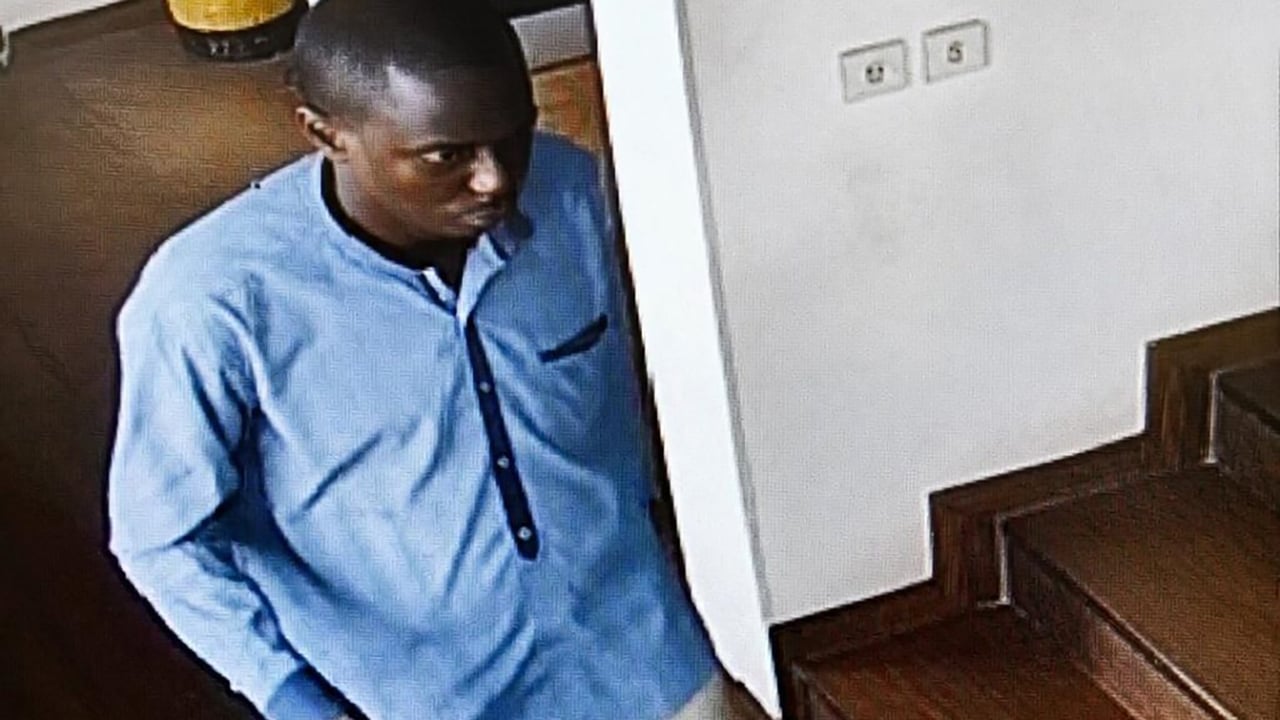

A significant political storm has engulfed Cameroon following the emergence of a fake decree scandal, now widely known as the Baboke affair. At the heart of this controversy is Johann Sitchom, who was taken into custody after allegedly attempting to circulate fraudulent presidential documents via CRTV, the national broadcaster. This audacious attempt to disseminate counterfeit official decrees has sent ripples through the nation’s political landscape, raising serious questions about the integrity of high-level communications within the government.
The implications of this fake decree scandal are profound, particularly as the incident touches upon the highest echelons of Cameroonian power. Prominent figures such as Ferdinand Ngoh Ngoh, the Secretary-General of the Presidency, and Samuel Mvondo Ayolo, the Director of the Civil Cabinet, are implicated in the broader context of this affair. The very notion of presidential decrees being forged and nearly broadcast underscores a critical vulnerability in the administrative system, demanding swift and thorough investigation. President Paul Biya’s administration now faces intense scrutiny as authorities work to unravel the full extent of this complex and unsettling situation, ensuring accountability and restoring public trust in official pronouncements.