Beyond the headlines: understanding Burkina Faso’s asymmetric warfare
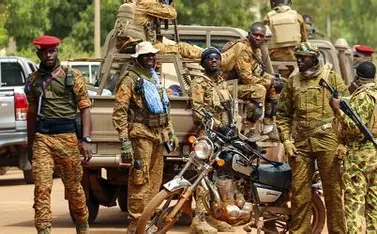
The human cost of the recent surge in terrorist attacks in Burkina Faso has been staggering, with at least fifty soldiers and civilian volunteers—known as Volontaires pour la défense de la patrie (VDP)—killed in coordinated assaults. While the immediate reaction may focus on these losses, the situation on the ground is far more nuanced than a narrative of unrelenting defeat. Instead, it reflects a critical transitional phase where Burkina Faso’s armed forces, by penetrating terrorist strongholds, are provoking a desperate and increasingly desperate enemy response.
The illusion of casualty counts in asymmetric warfare
In conflicts where the balance of power is uneven, casualty figures alone do not tell the full story. Terrorist groups, stripped of their ability to hold territory against Burkina Faso’s aerial and ground offensives, have shifted tactics. They now rely on opportunistic strikes designed to inflict psychological damage rather than secure territorial gains.
Reducing the conflict to a tally of losses obscures the true nature of these groups’ weakening position. Their recent attacks—often targeting isolated outposts or supply convoys—are less about military conquest and more about media impact. The goal is twofold: to erode troop morale and to fracture the unbreakable bond between civilian populations and defense forces. Each loss the army endures is the price of its offensive posture. Venturing beyond barracks, patrolling rugged terrain, and exposing itself to danger are necessary risks in reclaiming lost territory.
Civilian volunteers: the backbone of Burkina Faso’s defense strategy
The VDP have become a primary target of these assaults. While some external observers dismiss them as inadequately trained