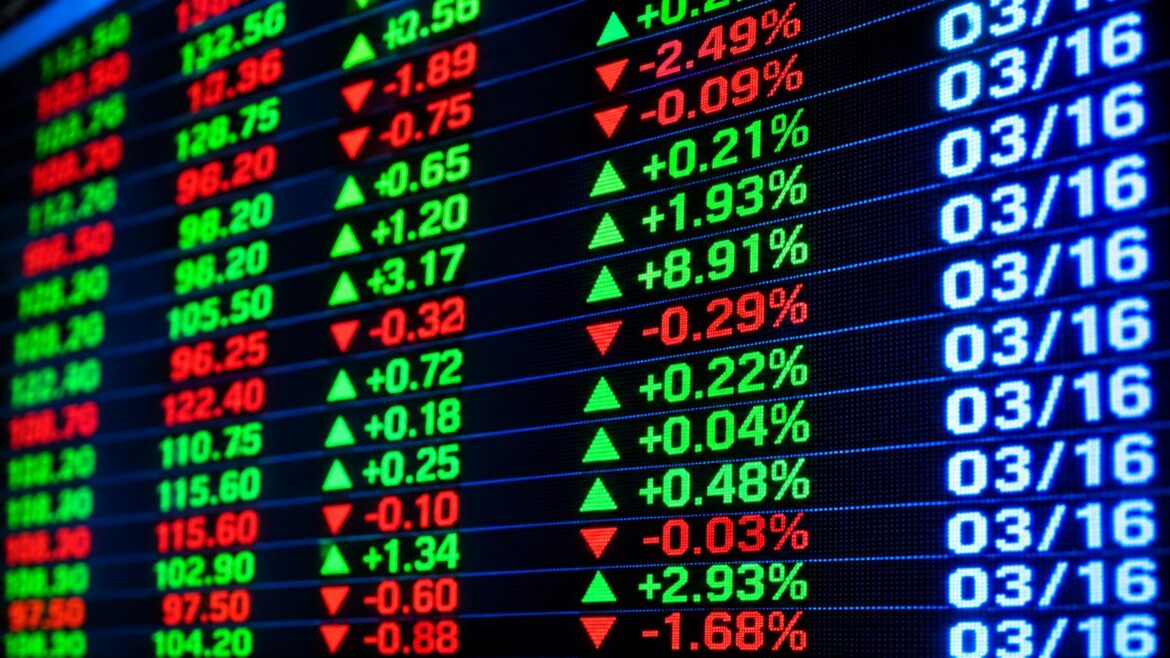
How a perfect storm of doubt and panic erased 2.5 trillion dollars in a single day
New York’s trading floors witnessed one of the most violent liquidation waves in 18 months as the Nasdaq Composite Index collapsed under the weight of a sweeping risk-off sentiment. In just one session, technology and semiconductor stocks—long seen as the growth engines of Wall Street—saw over $2.5 trillion in market capitalization evaporate, sending shockwaves across global financial markets. Behind the headline numbers lies a deeper story of investor unease, regulatory pressure, and a market at a crossroads.
Why AI leaders like Nvidia and AMD led the rout
The crackdown on AI-related equities was swift and brutal. The industry’s bellwether, Nvidia, saw its shares plummet between 6 % and 9 % within hours, wiping out tens of billions in market value. It wasn’t alone.
AMD and Broadcom also fell sharply, with AMD’s stock dropping over 17 %, exposing the extent of investor second-guessing regarding long-term returns on AI infrastructure investments. The carnage extended far beyond processors:
- Micron Technology plunged between 10 % and 17 %,
- Western Digital lost 13 %,
- SanDisk saw declines of 15 % to 22 %,
These declines reflect a systemic retreat from the entire data center supply chain, with the Philadelphia Semiconductor Index (SOX) nosediving more than 12 %, erasing months of gains.
US indices burn as fear index soars
The pain wasn’t confined to tech stocks. The market sell-off swept across major US indices, dragging them deep into negative territory:
- Nasdaq Composite: Led lower by mega-cap tech names, it suffered one of the steepest single-day drops of the year.
- S&P 500: Fell more than 2.6 %, marking its worst daily performance in 2024.
- Dow Jones Industrial Average: Declined over 3 %, hit by tech and industrial spillovers.
- VIX (Fear Index): Surged 33 % to above 60, signaling a surge in portfolio manager panic and volatility expectations.
The three hidden triggers behind the tech avalanche
A closer look reveals not just a market correction, but a confluence of structural and psychological factors that turned a routine pullback into a full-blown rout:
1. The ROI question mark over AI investments
Despite billions poured into AI-powered servers, data centers, and energy infrastructure, investors are questioning whether returns are materializing fast enough. High valuations are now being tested against delayed revenue growth, prompting mass profit-taking and position liquidations.
2. Regulatory headwinds around data center expansion
Political and energy policy shifts in the United States are casting a shadow over the future of data center construction. Stricter energy consumption rules and strain on power grids raise real concerns about the scalability of AI infrastructure—directly impacting chip demand forecasts and investor confidence.
3. Automated trading and triple-crown sell signals
After months of relentless gains, algorithmic trading systems and hedge funds triggered automated sell orders once key technical levels (like 200-day moving averages) were breached. These mechanical liquidations amplified the downturn, transforming a rational correction into an indiscriminate fire sale.
Global markets tremble: Asia’s turn to feel the heat
The shockwave from Wall Street immediately rippled across global equities. Asian markets reacted with alarm:
- Japan’s Nikkei 225: Dropped 6 %,
- South Korea’s Kospi: Plunged over 8 %, pressured by heavyweight chipmakers such as Samsung and SK Hynix.
While some analysts argue this is merely a technical ‘breathing space’ after a long rally, others warn of a deeper correction in the tech bubble. Investors are now on tenterhooks, awaiting signals from central banks and corporate earnings updates to gauge whether this is a passing storm or the beginning of a prolonged downturn.
As the dust settles on Wall Street, one thing is clear—behind the numbers, a fundamental reassessment of AI’s value and scalability is underway. And markets don’t forgive hesitation.