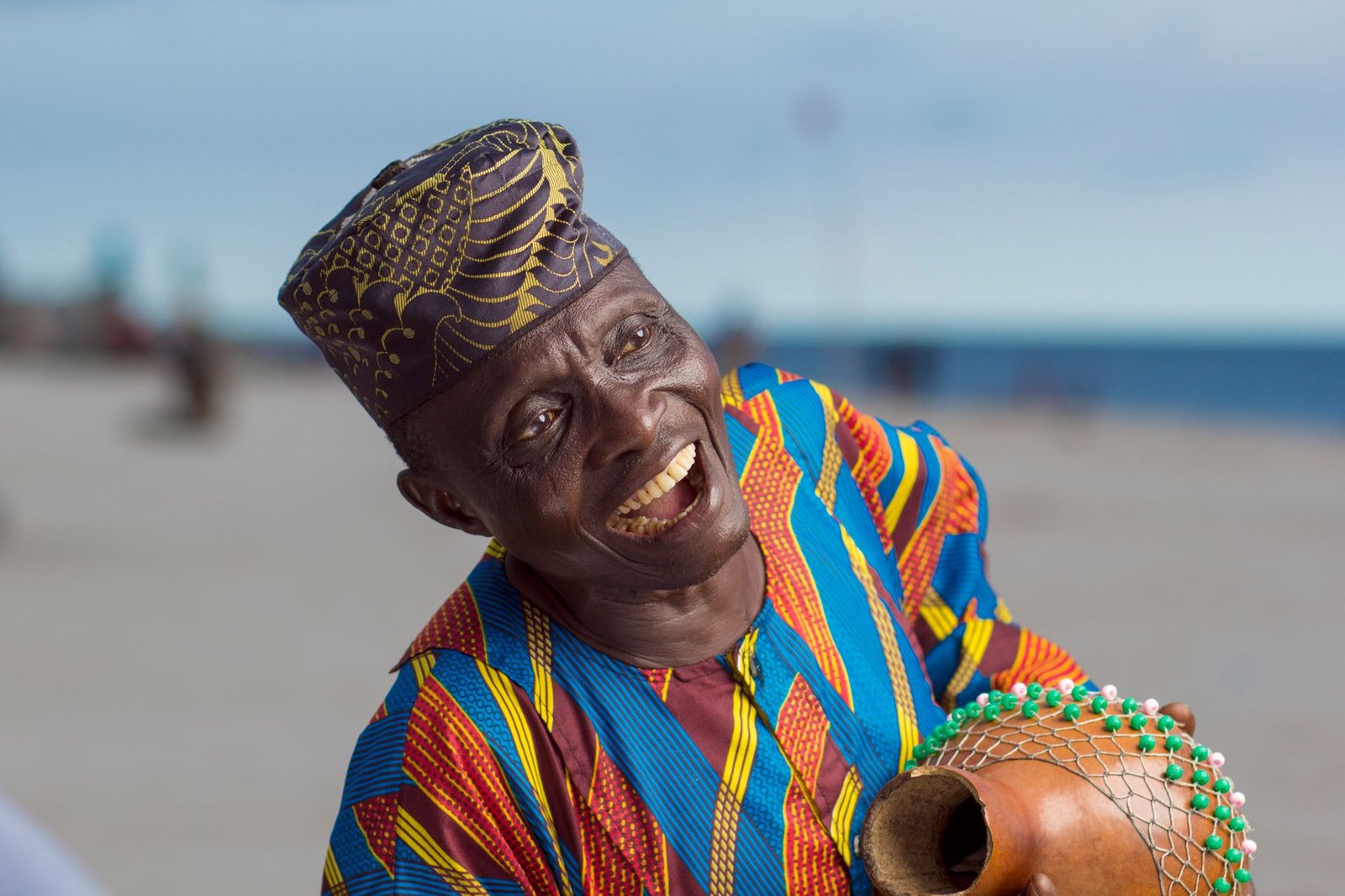
Renowned West African musician Baaba Maal recently took the global stage at the United Nations podium in Ulaanbaatar, Mongolia, representing not just Senegal but the broader African continent. As a long-standing advocate for environmental and social causes, the singer delivered a powerful address that framed Africa’s perspective on pressing global challenges—ranging from climate change to youth inclusion in decision-making processes.
Amplifying African perspectives at a global forum
The selection of Baaba Maal was deliberate. For over ten years, the artist from Podor in northern Senegal has used international platforms to extend his on-the-ground activism. Serving as a Goodwill Ambassador for the UN Development Programme, he has consistently championed African civil society voices in spaces where they are often underrepresented. His speech in Ulaanbaatar continued this mission, emphasizing South-South solidarity and the critical role of local communities in shaping global policies.
The Mongolian capital provided an unexpected yet fitting venue. While not typically a focal point in African diplomatic circuits, Ulaanbaatar has increasingly hosted UN conferences addressing landlocked economies, energy transitions, and fragile ecosystem conservation. For Senegal, sending a cultural icon like Baaba Maal was a strategic move to occupy symbolic space where traditional diplomacy has limited reach.
Leveraging culture as a pillar of Senegalese influence
This initiative aligns with Dakar’s broader strategy to harness its soft power through artists, scholars, and cultural institutions. Over the years, successive governments in Senegal have positioned the country as a nation capable of projecting its voice beyond its borders. Baaba Maal, through his annual Blues du Fleuve festival in Podor, embodies this duality—rooted in local identity yet resonating globally. His music, blending Pulaar traditions with contemporary sounds, has transcended African borders long before cultural diplomacy became a cornerstone of foreign policy.
During his address, the artist highlighted how environmental crises disproportionately impact populations with the least responsibility for them. Communities along the Senegal River, much like Mongolian herders, face immediate threats from climate disruptions, water scarcity, and rapid lifestyle shifts. This stark parallel, presented to an international audience, underscored the tangible realities of climate inequality—an issue that multilateral negotiations have yet to translate into enforceable financial commitments.
Building influence through cultural diplomacy
The impact of such high-profile interventions hinges on Africa’s ability to translate words into action. A symbolic podium speech gains real weight only when backed by sustained diplomatic efforts from permanent missions and relevant ministries. Senegal, with its history as a non-permanent member of key UN bodies and its influence within the African Union, possesses diplomatic capital well-suited to complement cultural advocacy like Baaba Maal’s.
Baaba Maal’s presence in Ulaanbaatar also reflects a gradual shift in Senegal’s diplomatic focus. Traditionally oriented toward Paris, Brussels, and New York, Dakar is now exploring less conventional partnerships across Central Asia, Turkey, and the Gulf states. This pivot aligns with the country’s post-2024 efforts to diversify its economic and political alliances.
The next critical step for Senegalese authorities will be converting this visibility into tangible outcomes—whether through targeted climate financing for vulnerable areas along the Senegal River basin, cultural exchange programs, or academic collaborations. Without concrete follow-through, the ripple effect of Baaba Maal’s voice risks fading into the familiar noise of multilateral summits.