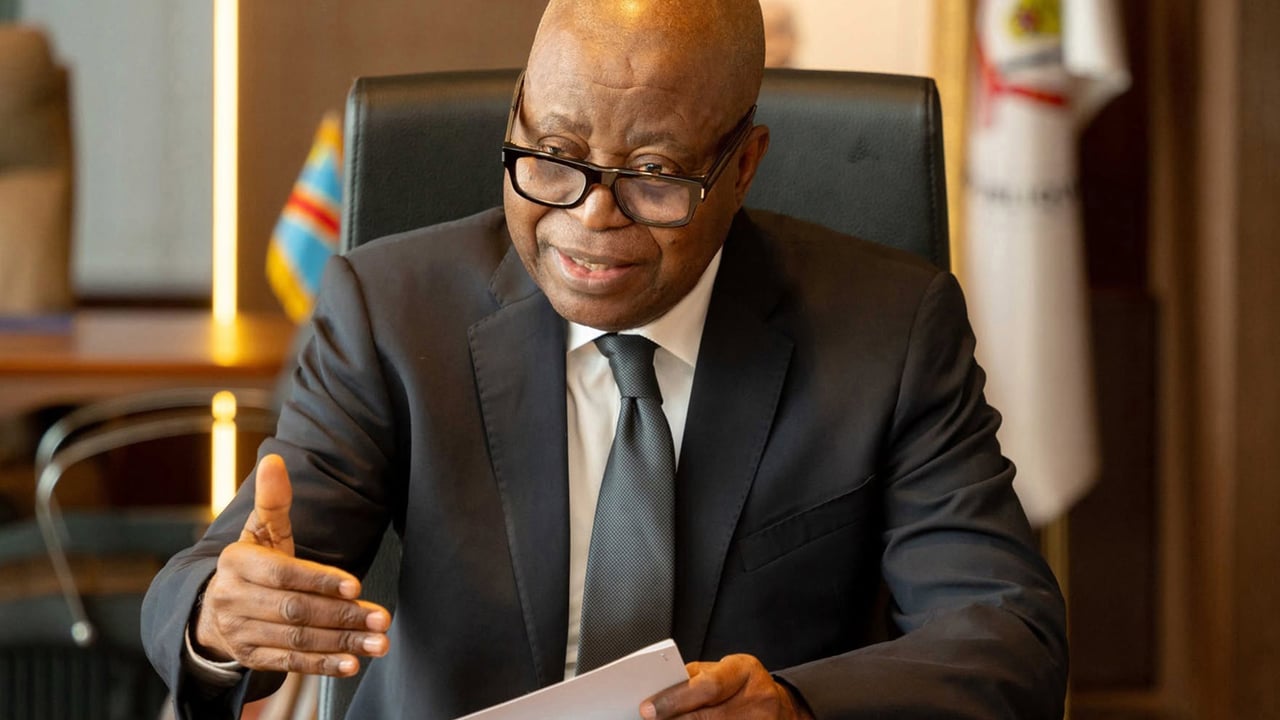
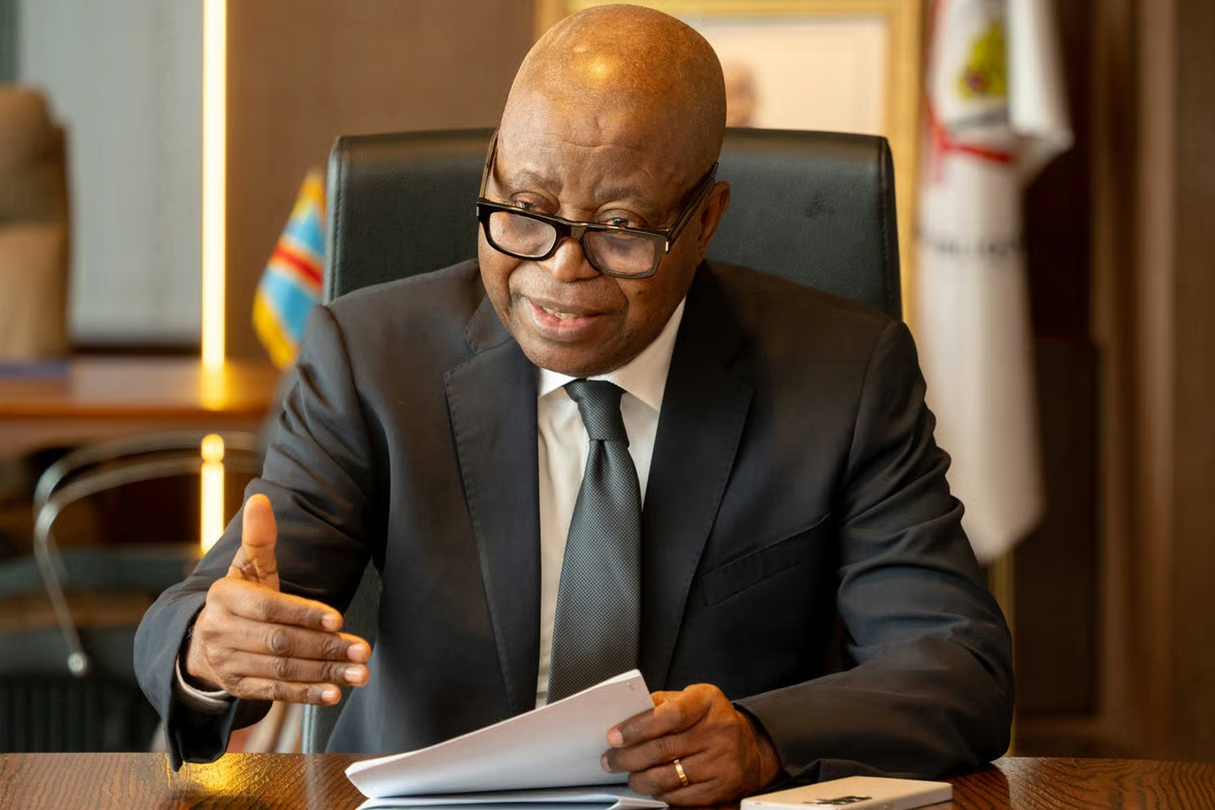
In a bold declaration during a recent interview in Kinshasa, Adolphe Muzito, Deputy Prime Minister and Budget Minister of the Democratic Republic of Congo (DRC), outlined a transformative vision for the nation’s economic future. He asserted that, under President Félix Tshisekedi’s leadership, the DRC is on track to become the third-largest economy in Sub-Saharan Africa by 2035.
The ambitious projection hinges on several strategic pillars, including robust infrastructure development, accelerated industrialization, and enhanced agricultural productivity. Muzito emphasized that these initiatives, combined with prudent fiscal policies and foreign investment incentives, will position the DRC as a continental economic powerhouse.
Strategic reforms driving economic transformation
Muzito highlighted the government’s commitment to structural reforms aimed at diversifying the economy beyond its traditional reliance on raw material exports. Key measures include:
- Infrastructure expansion: Massive investments in road, rail, and energy networks to improve connectivity and reduce logistical costs.
- Industrialization push: Policies to attract manufacturing industries, particularly in high-value sectors like technology and agro-processing.
- Agricultural modernization: Leveraging the DRC’s vast arable land to boost food security and export potential.
- Foreign direct investment (FDI): Incentives to encourage multinational corporations to establish operations in the country.
According to Muzito, these reforms are already yielding results, with GDP growth rates exceeding regional averages and a steady rise in investor confidence.
Challenges and opportunities on the horizon
While the outlook is optimistic, Muzito acknowledged significant hurdles that must be overcome to realize the 2035 vision. Persistent issues such as corruption, political instability, and inadequate governance remain critical barriers. However, he expressed confidence that Tshisekedi’s administration is addressing these challenges through transparency initiatives and institutional strengthening.
The DRC’s vast natural resources—including cobalt, copper, and diamonds—are expected to play a pivotal role in this economic ascent. Muzito stressed the importance of sustainable resource management to ensure long-term benefits for the population.
Regional implications of the DRC’s economic rise
The potential shift in the regional economic landscape could have far-reaching consequences for neighboring countries. As the DRC strengthens its industrial and trade capacities, it may emerge as a key economic hub in Central Africa, reshaping trade dynamics and fostering regional integration.
Muzito’s remarks underscore a broader continental trend, with African nations increasingly prioritizing industrialization and value addition to break free from commodity-dependent growth models. The DRC’s trajectory could serve as a model for other resource-rich countries in the region.