Chad’s water crisis: hope and doubt at the African Water Forum
N’Djamena has become the focal point for Africa’s water challenges as the continent’s leaders gather for the African Water Forum. Co-hosted with the World Bank Group under the theme “From Vision to Action”, the summit brings together heads of state, technical experts, and financial partners. Their mission? To turn water access promises into tangible solutions for millions across the continent.
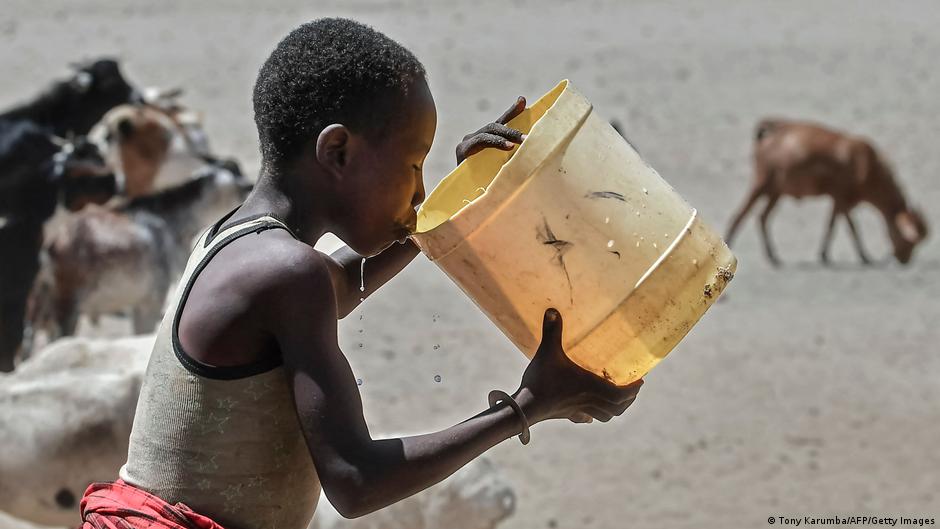
Yet, as delegates deliberate behind closed doors, the harsh reality on the ground remains unchanged. Official figures reveal that nearly 40% of Chad’s population still lacks reliable access to clean drinking water, a crisis that disproportionately affects rural communities where infrastructure remains scarce.
Local voices: urgent needs meet skepticism
For residents like Eliane, a housewife in N’Djamena, the forum offers a glimmer of hope. “As a mother and a citizen, I’m praying this gathering will finally bring clean water to our taps. The water many families here drink is undrinkable. If this forum can spark real change, we’ll take it,” she shares, her voice reflecting both fatigue and cautious optimism.
Meanwhile, Richard, a teacher in the capital, voices a common frustration. “We’ve seen countless summits come and go, but nothing ever changes. Without political will, no declaration will fix our water crisis,” he argues. His skepticism is echoed by Moussa, a small business owner, who questions the forum’s priorities: “Why spend millions organizing events when that money could drill wells for thousands? Too often, these gatherings end with empty promises.”
Uneven progress: the numbers don’t tell the whole story
While the government touts a national average of 63.5% access to potable water, the reality is far grimmer in rural regions. In provinces like Guéra, Wadi Fira, and Sila, barely 10 to 21% of households have access to clean water sources. Many families still rely on contaminated streams or seasonal ponds, risking waterborne diseases and malnutrition.
The National Human Rights Commission (CNDH) has sounded the alarm, emphasizing that water access is not just a basic need—it’s a cornerstone of peace, social cohesion, food security, and human development. “No nation can thrive when its people are forced to choose between thirst and illness,” warns Belngar Larmé Laguerre, the commission’s president.
The CNDH is urging accelerated investments in water infrastructure, sanitation, and climate-resilient resource management, while calling on international partners to step up sustainable funding.
Governance concerns overshadow the forum
A puzzling decision has drawn criticism: the forum’s organization was assigned to the Ministry of Finance, Budget, Economy, Planning, and International Cooperation—not the Ministry of Water. Critics argue this reflects deeper flaws in how Chad manages its water policies. “When ministries beyond water lead water discussions, it signals misplaced priorities,” notes a local analyst.
For millions of Chadians, the stakes couldn’t be higher. With climate change intensifying droughts and water scarcity, the forum’s outcomes will be measured not by speeches, but by the number of functioning wells, pipes, and taps delivering safe water to homes.