The bustling city of Abidjan recently became the epicenter of a historic gathering, as African nations rich in critical minerals joined forces with global development partners to chart a bold new course for the continent’s natural wealth. At the heart of this initiative lies a shared vision: transforming Africa’s vast mineral reserves into a cornerstone of sustainable economic, industrial, and social progress. Discussions centered on unlocking local value, mobilizing development financing, and building robust regional value chains to meet surging global demand for these essential resources.
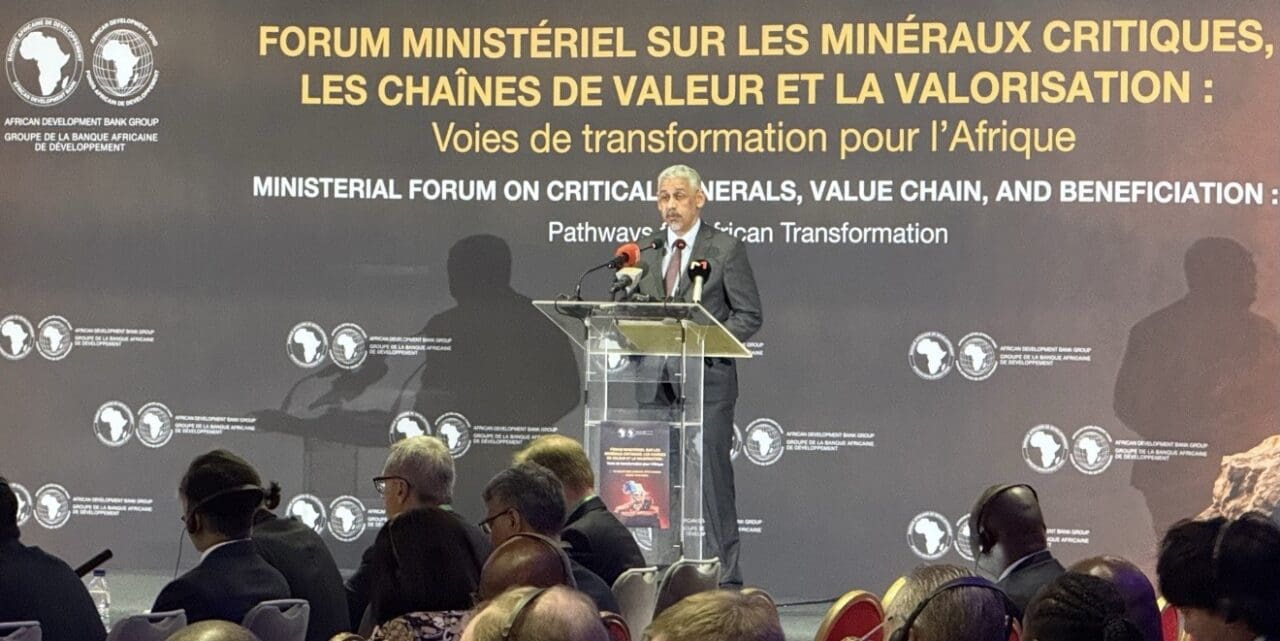
Ministers from mineral-rich African nations, alongside representatives from the African Union Commission, the African Continental Free Trade Area (AfCFTA) Secretariat, the United Nations Economic Commission for Africa, regional development banks, financial institutions, and international investors, convened for a pivotal ministerial conference on July 10. The gathering aimed to redefine Africa’s role in the global strategic minerals economy.
Abidjan’s pivotal role in reshaping africa’s mineral strategy
This landmark event brought together key stakeholders to address the continent’s untapped potential in critical minerals—resources vital for the global energy transition. The discussions sought to foster a new mining compact that prioritizes local processing, equitable revenue distribution, and industrial diversification.
In his keynote address, the President of the African Development Bank (AfDB), Sidi Ould Tah, emphasized the need for a fundamental shift in how Africa manages its natural resources. He stressed that the continent must move beyond raw material exports to capture greater value through local refining, manufacturing, and technology adoption.
call for a paradigm shift in mineral resource management
« This conference is about more than just minerals—it’s about redefining Africa’s economic future, » declared Sidi Ould Tah. He underscored the urgency of reforming development financing structures on the continent, noting that while Africa hosts over 100 development finance institutions, their combined impact remains minimal—accounting for just 1% of global development finance assets. Strengthening these institutions, he argued, is essential to unlocking the capital needed for infrastructure and industrialization.
The AfDB President also highlighted the critical role of resilient infrastructure and local industries in maximizing the benefits of Africa’s mineral wealth. « We must ensure that these resources translate into tangible benefits for our people, » he stated.
Côte d’Ivoire’s bold vision for mineral-led growth
The Ivorian Minister of Mines, Petroleum, and Energy, Mamadou Sangafowa-Coulibaly, reinforced the call for continental solidarity in harnessing mineral wealth. « No single country can achieve sustainable prosperity alone. We must collaborate to build regional value chains that create jobs and drive inclusive growth, » he asserted.
Minister Sangafowa-Coulibaly also unveiled Côte d’Ivoire’s ambitious plans to capitalize on its mineral potential, revealing that nearly three-quarters of the country’s territory holds critical mineral deposits. This resource base is a key pillar of President Alassane Ouattara’s strategy to elevate Côte d’Ivoire to upper-middle-income status by 2030.
To achieve this goal, Abidjan is rolling out an integrated mineral and energy strategy for 2026–2040, with an estimated budget of 38 trillion West African CFA francs. Notably, 88% of this funding is expected to come from private sector investments, signaling a strong confidence in the country’s economic trajectory.
Africa’s mineral wealth: a $29.5 trillion opportunity
Africa holds approximately 30% of the world’s reserves of critical minerals essential for the energy transition, including cobalt, lithium, graphite, rare earths, platinum-group metals, copper, manganese, and nickel. The total value of these resources is estimated at nearly $29.5 trillion—more than eight times Africa’s annual GDP and nearly 20% of global mineral wealth. Yet, about $8.6 trillion of these reserves remain untapped.
Global demand for these minerals is projected to skyrocket by 2040. Platinum-group metals are expected to see a 1,000% increase in demand, lithium by 842%, and copper by 88% compared to 2023 levels. The electric vehicle and battery supply chain alone could grow from $7 trillion in 2030 to $59 trillion by 2050, presenting an unparalleled opportunity for Africa to position itself as a key player in the green economy.
seizing the moment: africa’s path to industrialization
This conference marked a turning point in Africa’s approach to its mineral wealth. Rather than continuing to export raw materials, African leaders are determined to leverage these resources to drive industrialization, job creation, and long-term prosperity. The shift toward local processing and regional value chains could redefine Africa’s role in the global economy, ensuring that its natural wealth translates into lasting benefits for its people.