For the first time in over thirty years, Formula 1 is set to return to African soil. Rwanda has secured a ten-year agreement to host the Grand Prix of Africa on a purpose-built circuit in Bugesera, just outside Kigali. It is an ambitious sporting and economic venture designed to boost the country’s global appeal and turn a fresh page in the history of African motorsport.
A landmark deal with high expectations
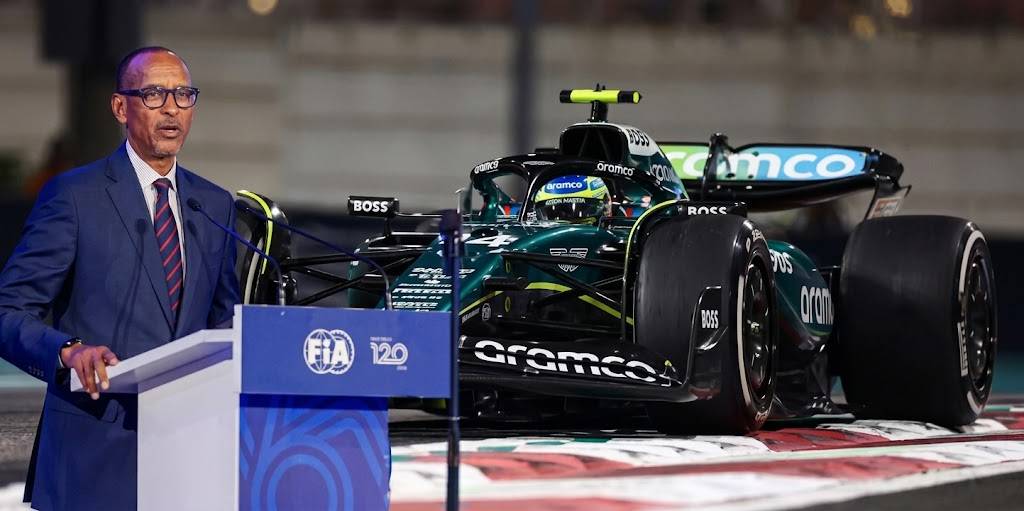
Rwanda is preparing to step onto a new stage in global motorsport. Formula 1 announced on Tuesday, 13 October 2026, a ten-year deal with the East African nation to stage a Grand Prix in the early 2030s. The move ends the sport’s long absence from the continent, which has been off the calendar since the 1993 South African Grand Prix.
The announcement was made in Kigali in the presence of Rwandan President Paul Kagame, Formula 1 CEO Stefano Domenicali, and FIA President Mohammed Ben Sulayem. For the Rwandan authorities, the agreement marks a key milestone in their strategy of international outreach, built around hosting major sporting events and expanding tourism.
“Today belongs to Africa,” said Paul Kagame, welcoming a partnership he described as long overdue. The head of state also expressed hope that the race would pave the way for more events across the continent.
Bugesera: the future home of speed
The future Grand Prix will take place in Bugesera, a town about 40 kilometres south of Kigali, near the new international airport currently under construction. The site will host a circuit designed specifically for Formula 1, meeting the FIA’s technical requirements to handle the world’s fastest single-seaters.
The track is expected to make the most of Rwanda’s natural terrain, known for its rolling hills and elevation changes. Its design brings together Wurz Design, led by former driver Alex Wurz, and Tilke Engineers and Architects, a firm with extensive experience in building international circuits.
Beyond the race itself, promoters envision the site as a versatile venue capable of hosting other motorsport competitions, concerts, conferences, and international events. The goal is to keep economic activity going year-round rather than limiting the benefits to a few days of racing.
However, the exact date of the first edition has not yet been set. The launch will depend on construction progress and the completion of necessary infrastructure. The deal is signed, but its realisation will hinge on the ability of all parties to meet project milestones.
Can the race become a true economic engine?
For Kigali, the arrival of Formula 1 means far more than a sporting event. The government hopes to attract new visitors, stimulate investment, and create jobs, especially for young people. Hospitality, food services, transport, security, communications, and event services could all benefit from the influx of spectators, professionals, and commercial partners.
The proximity of the future circuit to the airport is also expected to ease travel for teams, sponsors, and international fans. This link between transport infrastructure and sports facilities fits into a broader strategy to position Rwanda as a destination for business and major global gatherings.
The country has already hosted several international events, including the 2025 UCI Road World Championships, as well as football and basketball tournaments. Formula 1 would reinforce this visibility policy, which is also supported by the “Visit Rwanda” tourism brand.
According to Formula 1 data, the championship already enjoys a significant following in Africa, with more than 100 million fans across the continent. The competition aims to connect with a younger audience that could drive its commercial and media growth.
For Paul Kagame, the challenge is also to turn this visibility into concrete opportunities for the population: technical training, skills development, entrepreneurship, and access to automotive engineering careers. The question will be how far these prospects translate into lasting benefits for local businesses and residents.