What happened aboard the AVE train from Madrid to Figueres?
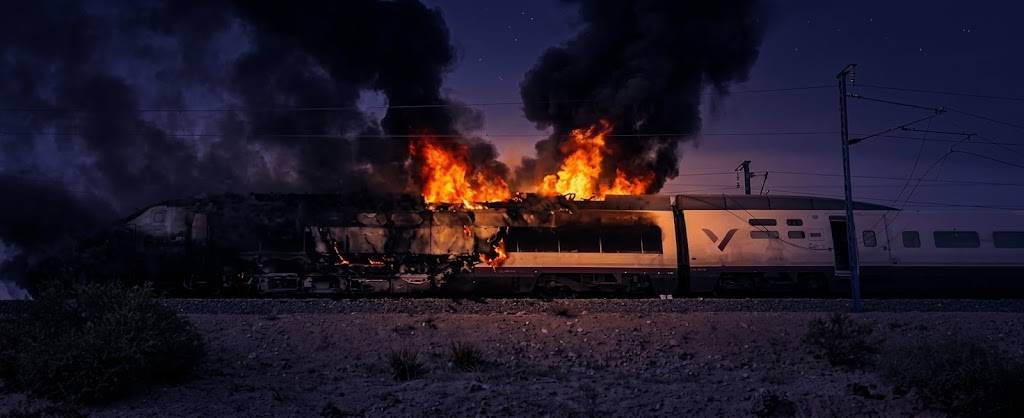
A fire broke out on a Renfe AVE high-speed train traveling from Madrid to Figueres via Barcelona on Monday, October 12. The incident occurred around 4:05 p.m. near Ricla in the province of Zaragoza, Aragon, forcing the evacuation of all 283 passengers on board. No injuries were reported in the initial assessment, according to the rail operator.
The train had departed Madrid’s Puerta de Atocha station at 2:27 p.m., heading toward Figueres in northeastern Spain. Early information from Renfe indicated that the fire was detected in the rear cab of the train.
How did the evacuation unfold?
As soon as the fire was detected, safety protocols were activated to ensure the evacuation of passengers. All 283 travelers left the train while emergency services worked to control the flames. Despite the potential severity of such an incident, no casualties were reported in the initial toll. The evacuation was the top priority for teams on site, as smoke and possible fire spread posed a risk to those on board.
The exact cause of the fire was not immediately established in the company’s first communications. An investigation has been launched to determine the origin of the incident and identify any technical failures that may have led to the blaze.
What were the consequences for rail traffic?
The impact of the fire went beyond the single train involved. As a precaution and due to emergency response operations, high-speed rail traffic between Madrid and Barcelona was suspended for several hours. This decision caused significant disruptions on one of the country’s busiest rail routes. Trains were held at various stations, and several afternoon departures were canceled. Thousands of travelers faced delays, rerouting, or uncertainty about their journeys.
The incident occurred on October 12, Spain’s national day, which coincided with the end of a long weekend. This period typically sees increased demand for transport. The line’s interruption therefore complicated travel for many users returning home or heading to their destinations after the festivities.
How did Renfe respond to the disruption?
In response to the widespread disruptions, Renfe announced measures to minimize inconvenience for affected passengers. The company offered free ticket changes or refunds for those impacted. Meanwhile, technical teams and relevant services carried out necessary operations after the fire was extinguished, including safety checks on the rail infrastructure. The resumption of traffic depended on ensuring safe operating conditions on the affected section.
In a statement released on the day of the incident, Renfe said it could not immediately determine the total duration of the disruptions. The company later announced a gradual restoration of service after firefighters intervened and initial inspections of the line were completed.
What remains unknown about the fire?
While the evacuation of the 283 passengers was completed without injuries according to the initial assessment, the fire raises questions about the technical circumstances of the incident and the consequences of immobilizing a train on a heavily used line. At this stage, no definitive cause could be identified. Investigations are expected to clarify the conditions under which the fire started in the rear cab and to determine any corrective measures needed.
This event highlights the importance of emergency protocols in high-speed rail transport, where rapid response and coordination between on-board teams, the operator, and emergency services are crucial. The initial human toll remains reassuring: all 283 travelers were evacuated and no injuries were reported. But the repercussions on traffic showed how a localized incident can disrupt a major rail link within minutes and affect the travel plans of thousands.