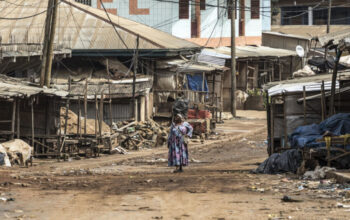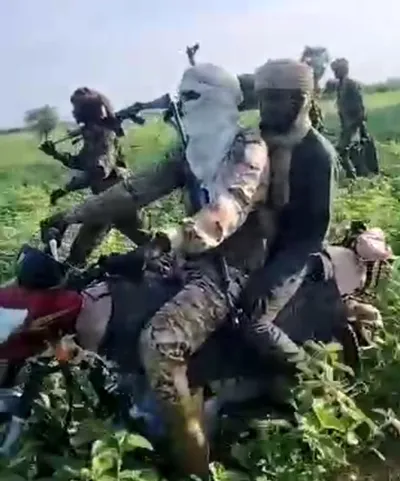
Heavy clashes erupted in Am-Dafock, a strategically vital town in the northern reaches of the Central African Republic, as rebel forces launched a sweeping offensive against positions held by the Russian mercenary group Wagner. Local sources report that Wagner fighters are abandoning their strongholds under intense rebel pressure, signaling a potential turning point in the region’s conflict dynamics.
rebel forces gain ground near am-dafock as Wagner fighters pull back
In the latest military escalation, rebel factions operating in the Vakaga region have targeted Wagner-controlled outposts around Am-Dafock, forcing a tactical withdrawal. Eyewitness accounts describe chaotic scenes as mercenary units hastily retreat, leaving behind equipment and fortified positions now occupied by advancing rebel troops. The rebels’ rapid maneuvers have caught Wagner off guard, raising questions about the group’s preparedness in the face of sustained local resistance.
local dynamics fuel rebel momentum
The rebel surge comes amid growing frustration over foreign military presence in the Central African Republic. Residents of Am-Dafock and surrounding areas have increasingly voiced opposition to Wagner’s operations, citing concerns over human rights abuses and economic exploitation. Community leaders report that local militias have begun coordinating with rebel factions, further bolstering their operational capacity and territorial control.
The collapse of Wagner’s defenses in Am-Dafock underscores the volatile nature of the conflict, where shifting alliances and localized grievances often dictate the course of battles. Analysts warn that this setback could embolden rebel groups to intensify their campaigns across northern Central Africa, potentially reshaping the power balance in the region.
regional implications of Wagner’s retreat
The retreat of Wagner forces from Am-Dafock carries broader implications for regional security. The Central African Republic has long been a battleground for competing foreign interests, with Wagner playing a prominent role in propping up the government’s defenses. The mercenary group’s withdrawal may signal a weakening of Moscow’s influence in the country, opening the door for other regional actors to expand their presence or support rebel factions.
Meanwhile, neighboring countries are closely monitoring the situation, wary of potential spillover effects. The instability in northern Central Africa could exacerbate cross-border tensions, particularly in areas where rebel groups operate with relative impunity. Military observers suggest that the Central African Republic’s neighbors may need to reassess their security strategies in response to the evolving conflict.
what’s next for am-dafock and central africa?
As rebel forces consolidate their gains around Am-Dafock, the future of the town—and the wider region—remains uncertain. Local authorities in the Central African Republic are scrambling to respond, but their capacity to counter the rebel advance appears limited. The withdrawal of Wagner’s mercenaries leaves a critical security void, raising concerns about the potential for further destabilization.
For now, residents of Am-Dafock face an uncertain future, caught between rebel control and the remnants of Wagner’s crumbling presence. The outcome of this battle could set the tone for the next phase of the conflict, with far-reaching consequences for the Central African Republic and its neighbors.