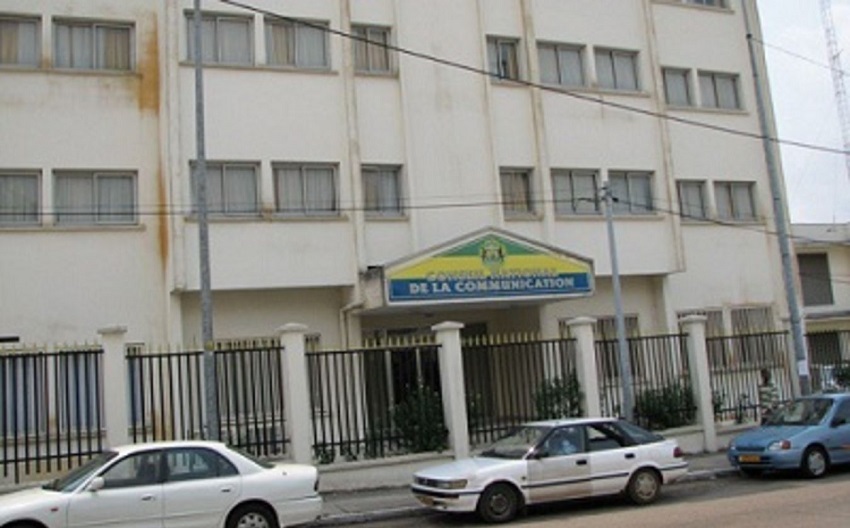
Gabon: Vandalism at the heart of state regulatory bodies alarms authorities
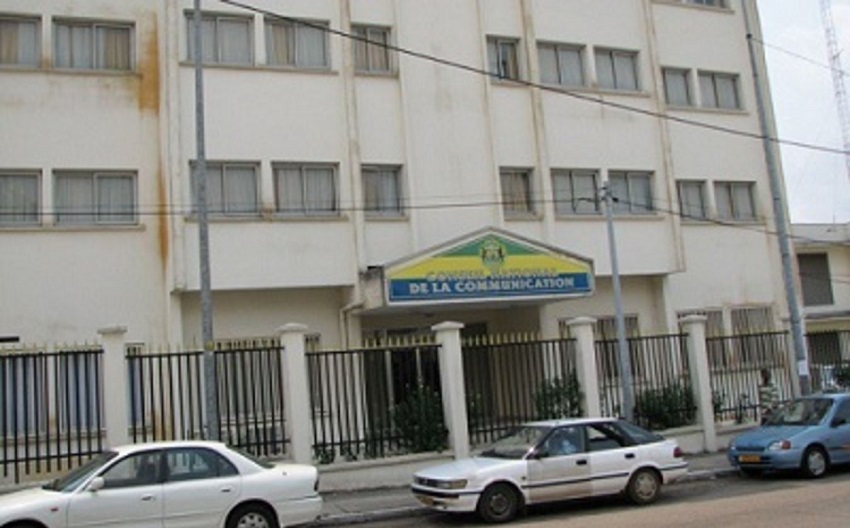
Libreville, June 3, 2026 – The forced entry and vandalism of multiple offices within the High Authority for Communication (HAC) in Gabon have triggered urgent discussions about the vulnerability of the nation’s public institutions.
The incident, which saw four advisors’ offices breached and ransacked, extends far beyond mere property damage. It strikes at the core of a critical question: how secure are Gabon’s institutions tasked with overseeing public discourse and media regulation?
In an era where the integrity of information, media oversight, and public communication carry immense societal weight, attacks on regulatory bodies carry disproportionate significance. The unauthorized access to advisor offices—achieved by forcing entry points—has left authorities scrambling to assess the full extent of the breach.
As of now, the precise circumstances remain unclear. No official statements have been released regarding the scope of the damage or whether sensitive materials were compromised.
A pillar of democratic oversight
The High Authority for Communication stands as a cornerstone of Gabon’s institutional framework. Its mandate encompasses enforcing regulations on media operations, audiovisual communications, and public information dissemination. Operating within a delicate balance of press freedom, editorial responsibility, and public order, the HAC’s role is indispensable to maintaining democratic equilibrium. An attack on its premises, therefore, transcends material loss—it challenges the very foundations of institutional trust.
While no direct link has been established between the intrusion and the HAC’s regulatory functions, the incident underscores the urgent need for fortified security around entities entrusted with safeguarding democratic principles.
Institutional security in the spotlight
The ease with which intruders accessed multiple floors and offices has exposed critical gaps in the physical and procedural safeguards of public administration. Beyond the immediate damage, this breach calls into question the state’s ability to protect its strategic infrastructure.
Globally, regulatory bodies are often granted enhanced security protocols due to the sensitivity of their operations and the confidential nature of their work. The Libreville incident serves as a stark reminder that administrative security is not merely a logistical concern—it is fundamental to maintaining public trust and uninterrupted governance.
Vandalism or targeted intrusion?
Several scenarios remain plausible. Was this an act of random vandalism, a calculated theft, or an attempt to access classified documents or equipment? The lack of official clarity on what was compromised prevents definitive conclusions.
This ambiguity heightens the importance of a thorough investigation. Determining the motives, methods, and security weaknesses exploited by the intruders will be essential to preventing future breaches.
A wake-up call for public institutions
While the focus remains on the HAC, the implications ripple across all public institutions. With digital data management, sensitive document handling, and governance challenges intensifying, securing institutional spaces has become a strategic necessity rather than an administrative afterthought.
Protecting these bodies is not solely about preserving state assets—it is about defending administrative continuity, citizen confidence, and the seamless functioning of the Republic. The ongoing investigation must not only identify those responsible but also extract actionable lessons to ensure that institutions like the HAC can fulfill their missions without fear of compromise.
When a regulatory authority’s offices are forcibly entered, the damage extends beyond glass and walls. It strikes at the principle that the institutions underpinning democracy must operate in a secure, unimpeded environment.