A sweeping initiative is reshaping Burkina Faso’s urban landscape, with plans to introduce 80 green spaces, 60 landscaped roundabouts, and 65 kilometers of tree-lined roads across the country’s cities. This bold project reflects a growing commitment to blending urban development with environmental restoration.
cooling concrete jungles: how trees fight the heat in Burkina Faso
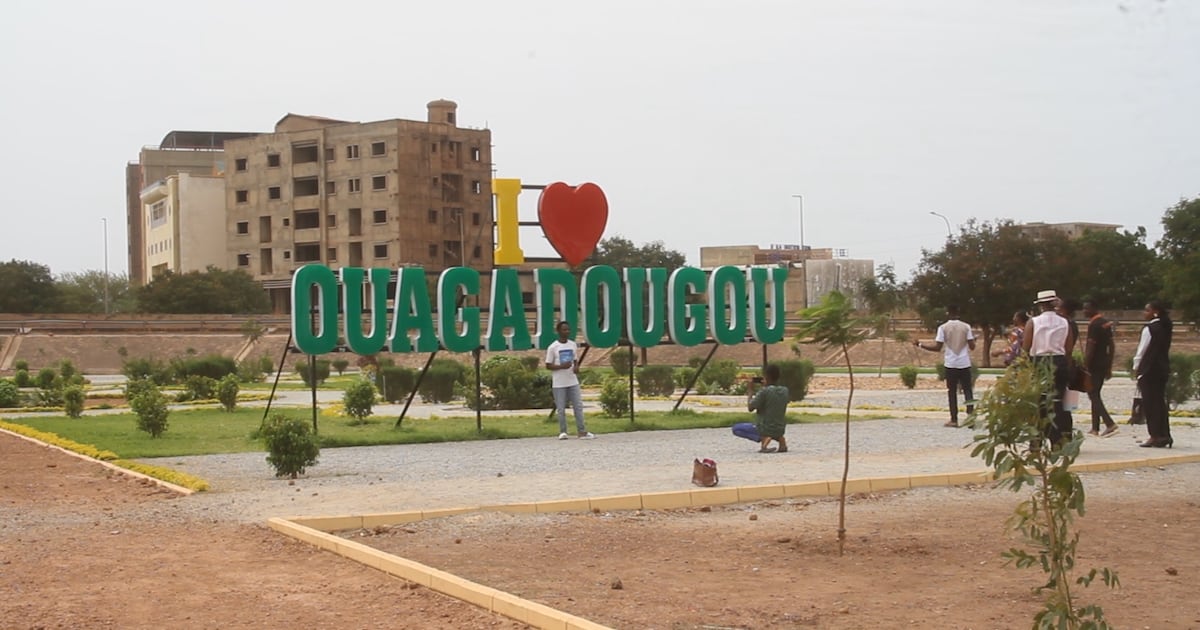
Many of Burkina Faso’s urban centers have long struggled with dusty streets, oppressive heat, and a lack of recreational areas. The newly created green zones—such as the landscaped space beneath the Ouaga 2000 interchange—are beginning to change the urban experience for residents and visitors alike. For Dr. Ines Bationo, a Burkinabè expatriate visiting from Senegal, the transformation was nothing short of inspiring. “I couldn’t believe how uplifting it was to see these spaces. As someone who grew up in Burkina Faso but now lives abroad, arriving and finding these oases of greenery filled me with joy,” she shared.
more than just shade: the social and ecological benefits of urban greening
Urban greening does more than just beautify cities—it fosters healthier environments. Research from cities worldwide confirms that green infrastructure helps lower temperatures naturally. Tree-lined streets provide shade, reduce the urban heat island effect, and can lower average city temperatures by up to 2°C. Under dense tree cover, maximum temperatures can be as much as 4°C cooler than in open areas, easing the strain of heatwaves on public health.
Mahamadi Ouedraogo, a local community leader, highlighted the ecological shift. “Before, this area was just dry, red earth—nothing special. Now, it’s vibrant, and a cool microclimate has formed. That’s exactly what we need. We’re a Sahelian country, and when the heat becomes unbearable, prioritizing ecological solutions is no longer optional—it’s essential.”
green spaces as social anchors: fostering community and tourism
The impact extends beyond environmental comfort. These green zones are becoming vital social hubs where residents gather, relax, and connect. Sidoine Nakanabo, a visitor to one of the new sites, expressed enthusiasm: “It’s wonderful. This is a place to unwind first and foremost, and it also has great potential to boost tourism in Burkina Faso.” By creating inviting public spaces, the initiative strengthens civic pride and collective identity among citizens.
sustaining the green revolution: challenges and long-term care
While planting trees and designing green corridors are critical first steps, their long-term survival depends on proper maintenance. Lassané Sawadogo, a civil society advocate, emphasized the need for sustainable funding. “After the initial setup, we must establish clear access rules and revenue models for city councils and environmental agencies to ensure ongoing upkeep of these spaces,” he noted.
The message from Burkina Faso is clear: a modern city isn’t built on concrete and steel alone. It thrives when rooted in nature—with trees, shade, and breathing room for its people. The greening initiative isn’t just changing skylines; it’s transforming how citizens live, connect, and envision their future.