An oil well blowout, environmental fears, disputes over foreign expert intervention, and a bold ultimatum to chinese partners — Niger’s goumeri w8 incident is far more than an industrial mishap. it lays bare the underlying pressures in one of africa’s most strategic oil partnerships, just as Niamey seeks greater control over its natural resources.
agadem — the flow of oil isn’t always smooth. since the goumeri w8 blowout on september 25, an entire web of industrial, financial, and diplomatic interests has come under strain.
An industrial emergency with unanswered questions
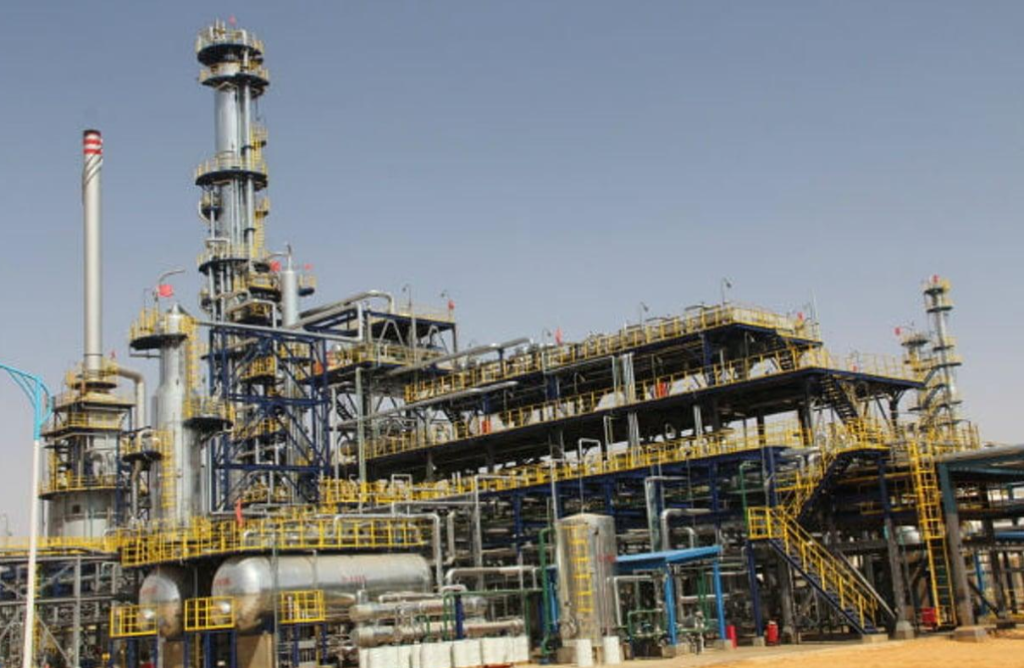
At the agadem basin site, operated by cnpc Niger petroleum, the incident quickly outgrew the confines of the platform. the immediate priority was clear: contain the blowout, secure nearby facilities, and prevent further hydrocarbon spills. yet, as authorities scramble to stabilize the well, critical questions linger: how was the crisis managed? who holds decision-making power on the ground? and how can Niger prevent an industrial accident from escalating into a lasting dispute with its foreign partners?
Tensions between Niamey and Beijing were already simmering when algiers entered the picture. the arrival of algerian experts introduced a new layer of complexity to a situation where technical, financial, and diplomatic factors are now deeply intertwined.
The algerian intervention: support or disruption?
By calling on Algeria’s expertise, Niger turned to a regional ally with a proven track record in hydrocarbon management. sonatrach, Algeria’s state energy company, dispatched a technical team to assist with the crisis. officially, this was a standard practice — supplementing local efforts with specialized knowledge in a high-stakes scenario.
Yet the context complicates matters. reports suggest earlier disagreements over operational parameters at the soraz refinery, where adjustments to hydrocarbon flow raised technical concerns. while these claims remain unverified, they underscore broader unease about coordination. on a site operated by cnpc, the involvement of algerian specialists demands a clear chain of command, defined responsibilities, and strict adherence to safety protocols.
Niamey has every right to seek external expertise. but in an emergency, the priority must remain technical solutions grounded in verifiable data — not diplomatic maneuvering.
Environmental containment: a surface-level fix?
Beyond damaged infrastructure, the spill’s impact on land, water, and local communities remains a pressing concern. authorities deployed containment measures, including bulldozers to build sand barriers around affected areas. while these efforts may limit surface spread, they do not address subsurface pressure or the risk of groundwater contamination.
Buried oil doesn’t mean a resolved problem. hydrocarbons can persist beneath the surface, while vapors and gases pose ongoing health risks. for residents, the stakes are immediate: is their water safe? are pastoral lands contaminated? will exposed workers receive medical monitoring? and who will bear the cost of remediation?
As of october 20, nigerian officials declared the spill contained, with securitization ongoing. plans for a relief well, goumeri w-8r, were underway, with work slated between october 24 and december 26. yet even this step cannot replace a thorough assessment of environmental damage and a commitment to restoration.
The $400 million turning point
To grasp why goumeri w8 has become such a flashpoint, look beyond the well itself. China’s role in Niger’s oil sector is foundational, from the agadem fields to the Zinder refinery and export pipelines. this partnership has built an integrated industry but also created deep interdependence, where contractual and financial ties bind both sides.
In april 2024, Niger secured a $400 million advance from cnpc against future oil revenues — a sum to be repaid over 12 months at a 7% interest rate. this financial lifeline highlights how the relationship extends beyond technical cooperation into hard economic obligations.
With cumulative investments in Niger’s oil sector reaching $8.34 billion by june 2026 (per local reports), the stakes are enormous. for Niamey, the goal is ensuring oil revenues benefit the nation. for Beijing, contractual reliability and operational continuity are non-negotiable.
Niamey’s ultimatum: a warning shot with broader implications
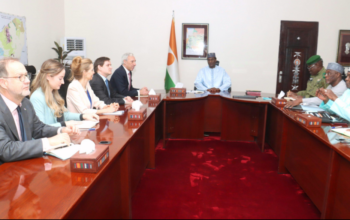
On october 13, 2026, Niger gave cnpc, wapco, and soraz 45 days to address alleged breaches of contractual obligations. the government cited failures in repatriating export earnings, hiring nigerien workers, and fulfilling state agreements.
Foreign minister bakary yaou sangaré claimed over 3 trillion cfa francs in export revenues had not been repatriated since april 2024, alongside a 17.4 billion cfa franc shortfall for the national treasury. while these figures reflect Niamey’s grievances, their validation requires scrutiny of contracts, financial flows, and corporate responses.
The ultimatum signals a hardening stance. Niger demands accountability as oil becomes increasingly vital to public finances and economic ambitions. the question now is whether the companies will comply, negotiations will bridge the gap, or disputes will escalate into further action.
Beijing and algiers: navigating a shifting partnership
Niger’s relationship with China is entering a phase where economic cooperation alone cannot smooth over divergences. Niamey wants tighter control over oil revenues and stricter adherence to agreements — part of a broader push for economic sovereignty.
Yet sovereignty isn’t just about challenging foreign firms. it requires operational oversight, financial transparency, contractual enforcement, and environmental protection. cnpc remains a linchpin in Niger’s oil sector; a prolonged standoff could disrupt operations, erode partner trust, and hinder crisis resolution at goumeri w8.
This doesn’t mean Niamey should abandon its demands. but their implementation must rely on verifiable evidence, clear procedures, and a strategy that safeguards long-term national interests.
Algeria, too, finds itself in a delicate position. by enlisting sonatrach’s help, Niger sought regional expertise — but every move is now viewed through the prism of its China relations. Algeria’s role isn’t inherently adversarial to cnpc, yet the lack of clarity over responsibilities risks fueling diplomatic speculation.
Who validates operations? who assumes liability for on-site decisions? how are expert recommendations integrated into the operator’s intervention plan? answering these questions is critical to ensuring that international assistance serves safety — not politics.
Beyond rivalries: the need for facts
In this crisis, suspicions and questions abound. but answers cannot rely on anonymous reports or political interpretations alone. Niger’s promised independent investigation must determine the blowout’s causes, review early decisions, assign responsibilities, and assess environmental damage.
It must also clarify how teams coordinated efforts and what measures could have mitigated harm. publishing findings is essential to rebuild trust, distinguishing technical challenges from contractual breaches, safety lapses from unverified claims.
Cnpc, sonatrach, and nigerian authorities must present their evidence-backed accounts. the gravity of the incident demands rigorous examination — not assumptions.
A litmus test for resource sovereignty
Ultimately, goumeri w8 forces Niger to confront a critical question: how can it assert control over its natural resources without jeopardizing industrial safety or partnership stability?
The $400 million advance, multibillion-dollar investments, financial demands, and algerian expertise each tell part of the story. together, they reveal a partnership where economic interests, technical decisions, and diplomatic balances are now inseparable.
Yet oil itself cares little for capital rivalries or contract negotiations. until the well is secured and contaminated land is treated, the risks persist.
For Niger, the dual priority is clear: extract accountability from partners while ensuring the industrial crisis leaves no lasting harm to people or the environment. for Beijing and algiers, the challenge is proving their cooperation with Niamey can operate transparently, respect distinct roles, and deliver tangible results.
At goumeri w8, the real test isn’t which partner emerges stronger from this standoff. it’s whether Niger can contain the blowout, protect its citizens, and turn its oil wealth into a driver of development — rather than another source of tension.