UN warns of exceptional violence in eastern DRC
A United Nations independent investigative commission has reported unprecedented levels of violence in the eastern Democratic Republic of the Congo (DRC), following a briefing in Geneva. The commission documented accounts of sexual violence, unlawful executions, and forced child recruitment.
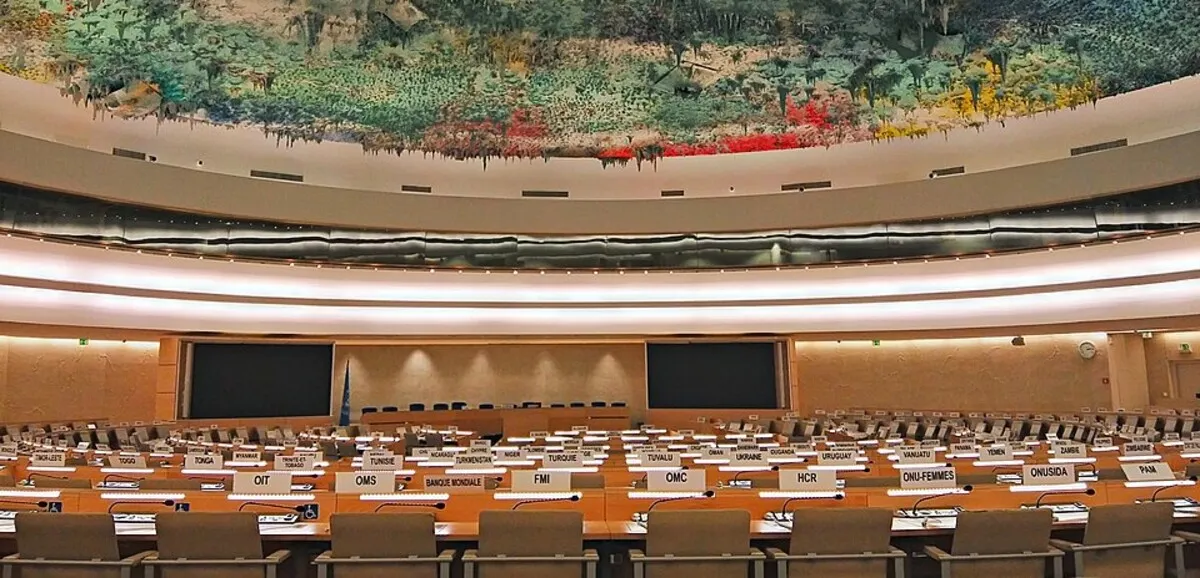
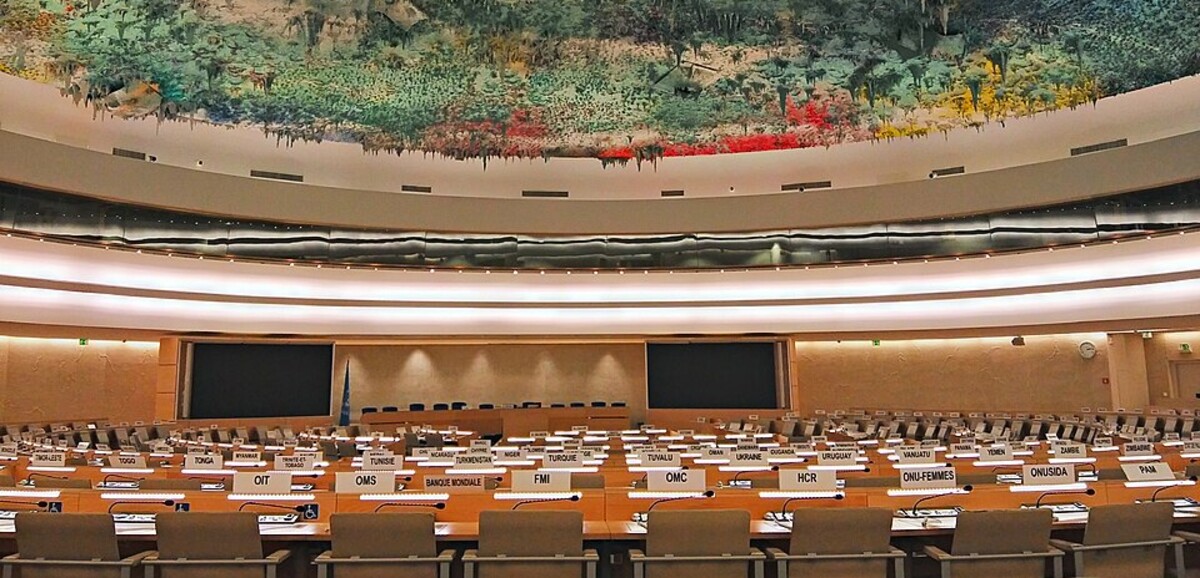
In a stark assessment presented to the Human Rights Council, the commission highlighted a deteriorating humanitarian crisis in North Kivu and South Kivu provinces. The region, abundant in natural resources, has endured decades of conflict, primarily between the Congolese army and the M23 armed group.
Critical vulnerabilities facing civilians
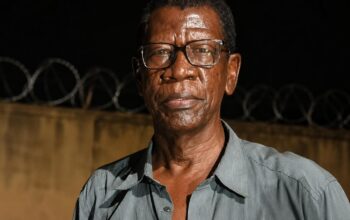
The commission emphasized that residents in these provinces face acute vulnerability due to escalating hostilities and the erosion of public institutions. “The evidence we’ve gathered paints an exceptionally grim picture,” stated commission chair Arnauld Akodjenou. He noted that investigators had received disturbing testimonies involving children, including sexual violence linked to conflict, “including sexual slavery”, forced recruitment, unlawful killings, arbitrary arrests, and targeted attacks on schools and healthcare facilities.
Preliminary findings and urgent calls
Formed by the Human Rights Council, the commission is probing alleged violations of international humanitarian law and human rights in eastern DRC. While acknowledging its investigations remain in early stages, the commission stressed it cannot yet determine the full scope or definitively classify the abuses documented. However, it has already received reports of humanitarian access restrictions, mistreatment in detention centers, and threats against human rights defenders and journalists documenting abuses. The experts urged all conflict parties to ensure “safe, unhindered, and rapid” humanitarian access and called on Congolese authorities and the international community to support credible, independent investigations and bolster civilian protection. “The suffering we’ve uncovered demands more than concern; it requires sustained attention, rigorous inquiry, and decisive global action,” Akodjenou emphasized.