UN warns of exceptional human rights crisis in eastern DRC
The human rights landscape in the eastern regions of the Democratic Republic of the Congo (DRC) has reached a point of unprecedented severity, according to a recent report by the United Nations Independent Commission of Inquiry. This assessment underscores a deeply troubling escalation of violence against civilians, prompting urgent international concern.
During a briefing to the UN Human Rights Council in Geneva, the Commission presented its initial findings on the situation in North-Kivu and South-Kivu provinces. The report highlights a deteriorating security environment, characterized by widespread population displacements, the weakening of public institutions, and the complexities of a regional conflict. “The evidence before us paints a picture of exceptional gravity,” stated Arnauld Akodjenou, Chair of the Commission.
Widespread human rights violations targeting civilians
The Commission’s investigation reveals a pattern of severe abuses, including:
- Conflict-related sexual violence, including cases of sexual slavery;
- Illegal killings and arbitrary detentions;
- Forced recruitment, including of minors;
- Attacks on critical infrastructure, such as schools and health facilities.
“Disturbing testimonies have emerged regarding children and sexual violence linked to the conflict,” Akodjenou emphasized, underscoring the scale of suffering endured by vulnerable groups.
Civilians left defenseless amid escalating humanitarian crisis
The Commission warns that civilians in affected areas—particularly displaced persons, women, children, and marginalized communities—are increasingly exposed to violence without adequate protection. The humanitarian crisis is further exacerbated by:
- Restricted access to humanitarian aid;
- Reports of mistreatment in detention centers lacking basic legal safeguards.
“No individual should face retaliation for cooperating with UN mechanisms,” cautioned Commissioner Clément Voule, reaffirming the need for safe engagement with investigative bodies.
Preliminary investigations underway, but challenges persist
Established by the UN Human Rights Council, the Commission is tasked with investigating alleged violations of international humanitarian law and human rights in eastern DRC. While its work is still in the preliminary phase, the team has conducted:
- Over 50 virtual consultations;
- More than 30 in-person meetings with stakeholders, including victims, civil society organizations, government representatives, and international partners;
- A mission to Kinshasa in early June, where 35 civil society groups shared testimonies.
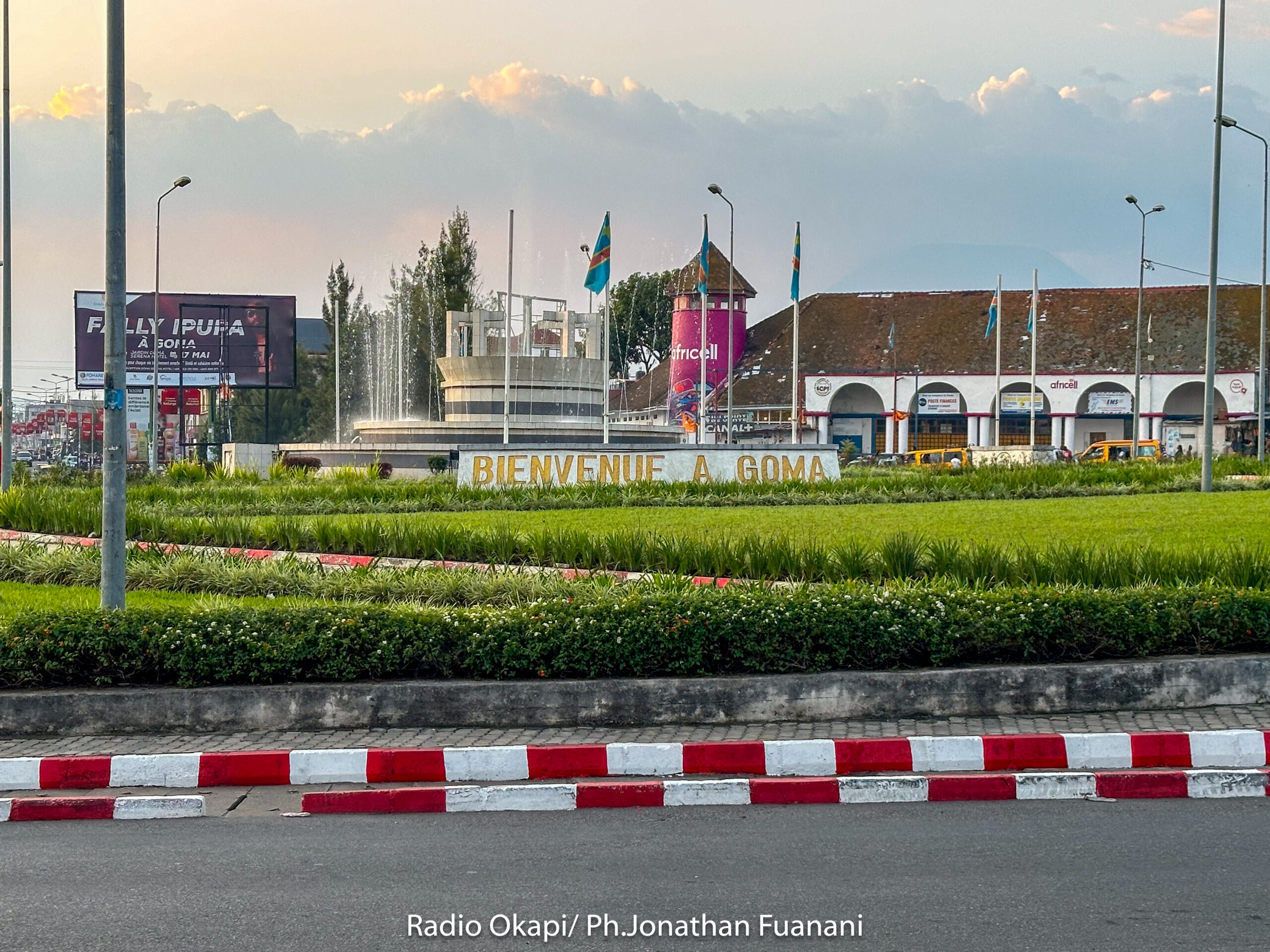
However, security constraints have thus far prevented investigators from accessing Goma and other severely affected zones, though plans for future visits are in motion.
A multifaceted crisis deepening instability
Beyond direct violence, the Commission describes a multidimensional crisis impacting security, healthcare, governance, education, and economic stability. This dire situation is compounded by:
- Ongoing armed clashes;
- Mass displacement of populations;
- Health risks, including the persistent threat of Ebola outbreaks.
The UN body urges all conflict parties to facilitate unimpeded humanitarian access, particularly for the most vulnerable groups.
Urgent calls for action to address impunity
The Commission stresses the critical need to prioritize victims in efforts to combat impunity and calls for immediate action from national authorities and the international community. Key recommendations include:
- Securing humanitarian corridors;
- Safeguarding human rights defenders and local observers;
- Supporting independent and credible investigations.
“The suffering documented demands more than concern—it requires rigorous inquiry and unwavering international commitment,” Akodjenou concluded, reaffirming the Commission’s dedication to impartial and thorough investigations to establish facts and uphold justice for victims.