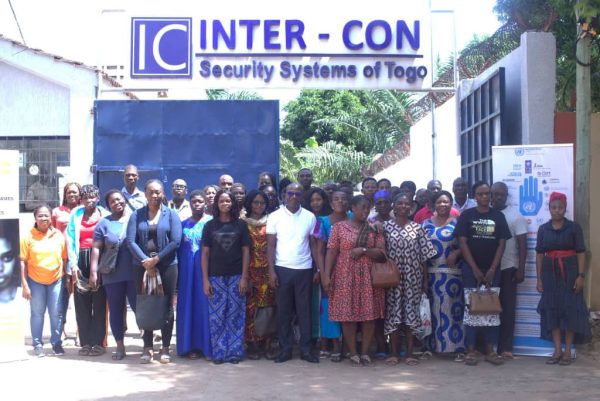
In Lomé, nearly 100 Intercon Security agents, who provide services to the United Nations system, completed an intensive training session focused on combating sexual abuse and promoting disability inclusion. This key effort aims to align on-the-ground security with the institution’s core ethical values.
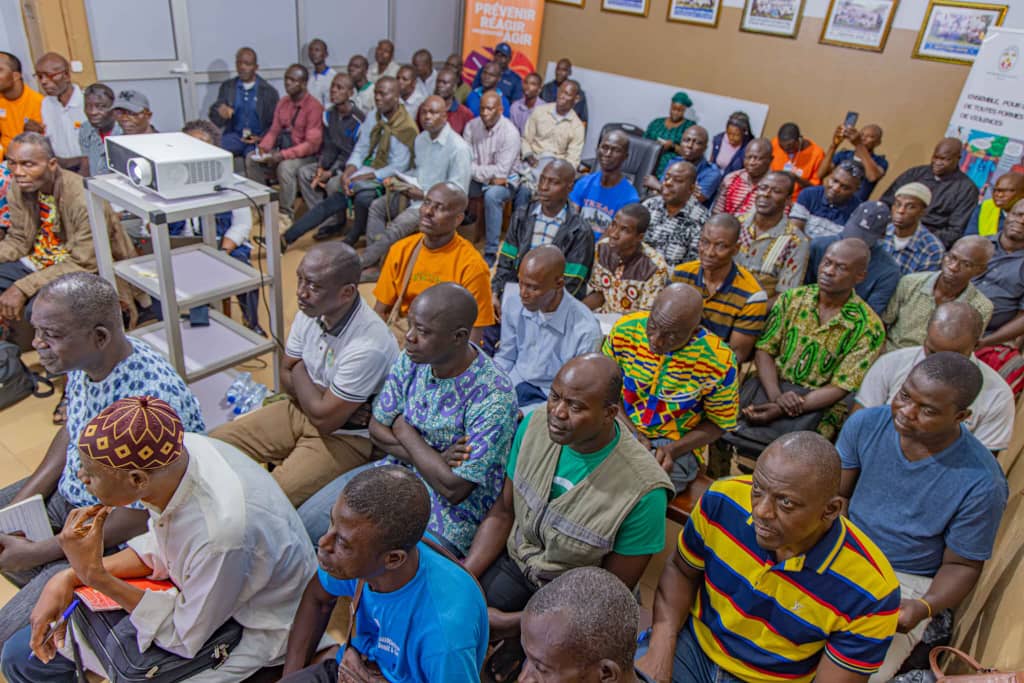
LOMÉ, 29 June 2026 – Ensuring the physical safety of diplomatic facilities is one thing; embodying the values of respect and human dignity they stand for is another. With this dual requirement, the Office of the United Nations Resident Coordinator in Togo, in close collaboration with UNFPA-Togo, organised a major training session on 25 and 27 June 2026 in Lomé.
In total, 95 employees of Intercon Security — the backbone of daily security for UN agencies in the country — received training in international standards of human rights and professional ethics.
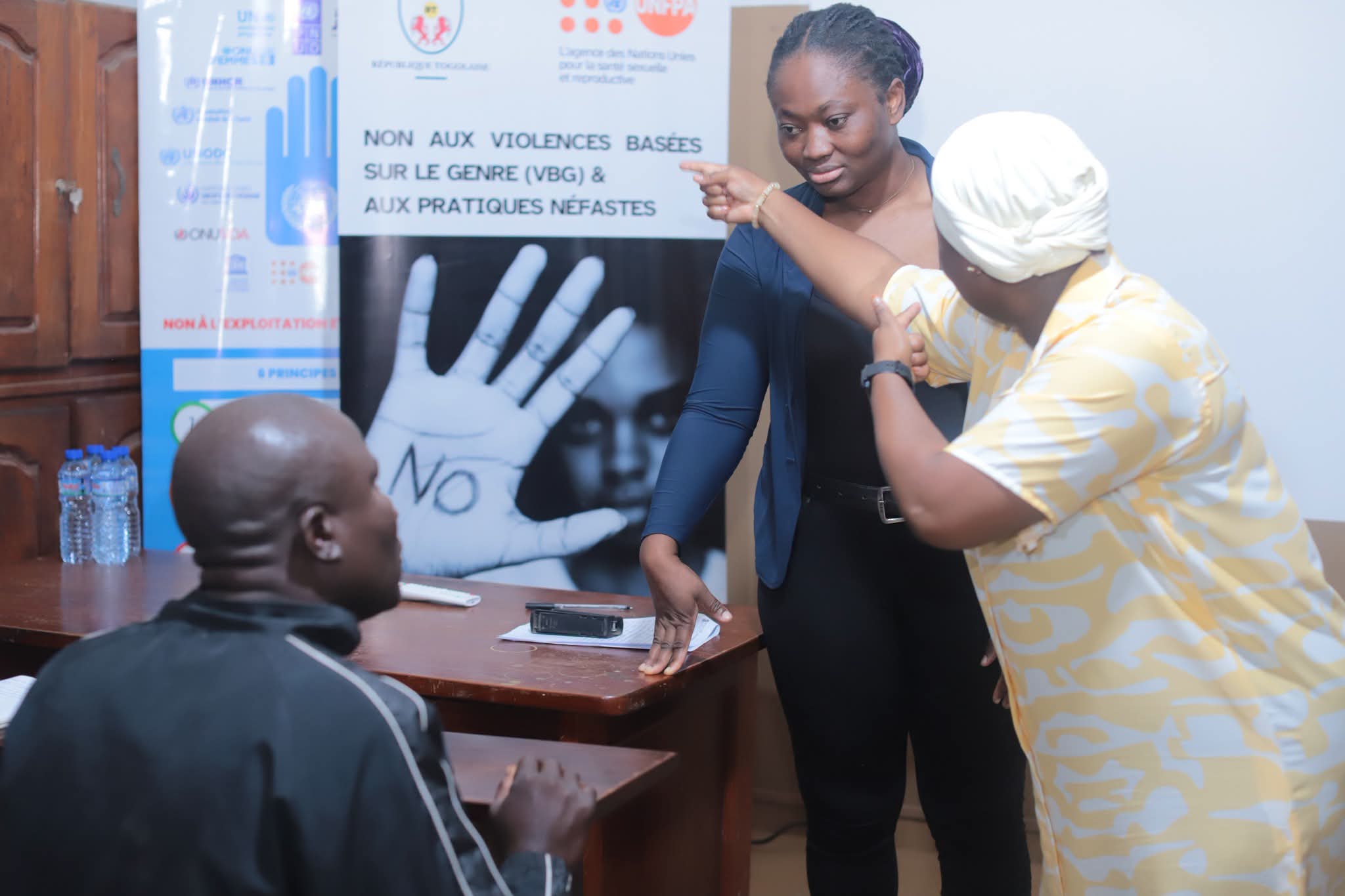
Guarding against misconduct: the stakes of PSEA
On the ground, security agents are far more than simple guards: they are the first point of contact with the public, partners and vulnerable staff. In this context, facing potential risks, the United Nations enforces a zero-tolerance policy.
Thus, the core of this two-day intensive programme revolved around Protection from Sexual Exploitation and Abuse (PSEA) and the fight against Gender-Based Violence (GBV).
Throughout these two days, sessions alternated between case study analysis and legal reminders to equip these professionals around four major pillars:
- Understanding the fundamental rules: grasping the strict ethical framework of the United Nations that governs every interaction in the workplace.
- Adopting good practices: translating theoretical concepts into reflexes and irreproachable professional attitudes on a daily basis.
- Identifying prohibited behaviours: recognising with rigour and without ambiguity weak signals and misconduct (harassment, abuse of power, discrimination).
- Mastering reporting channels: knowing and using internal reporting mechanisms for offences, while guaranteeing anonymity and protection for victims.
“Respecting the rights and dignity of all, especially the most vulnerable in the workplace, is not an option. It is everyone’s business, starting with those who protect our spaces.” — Organisers’ guidance note
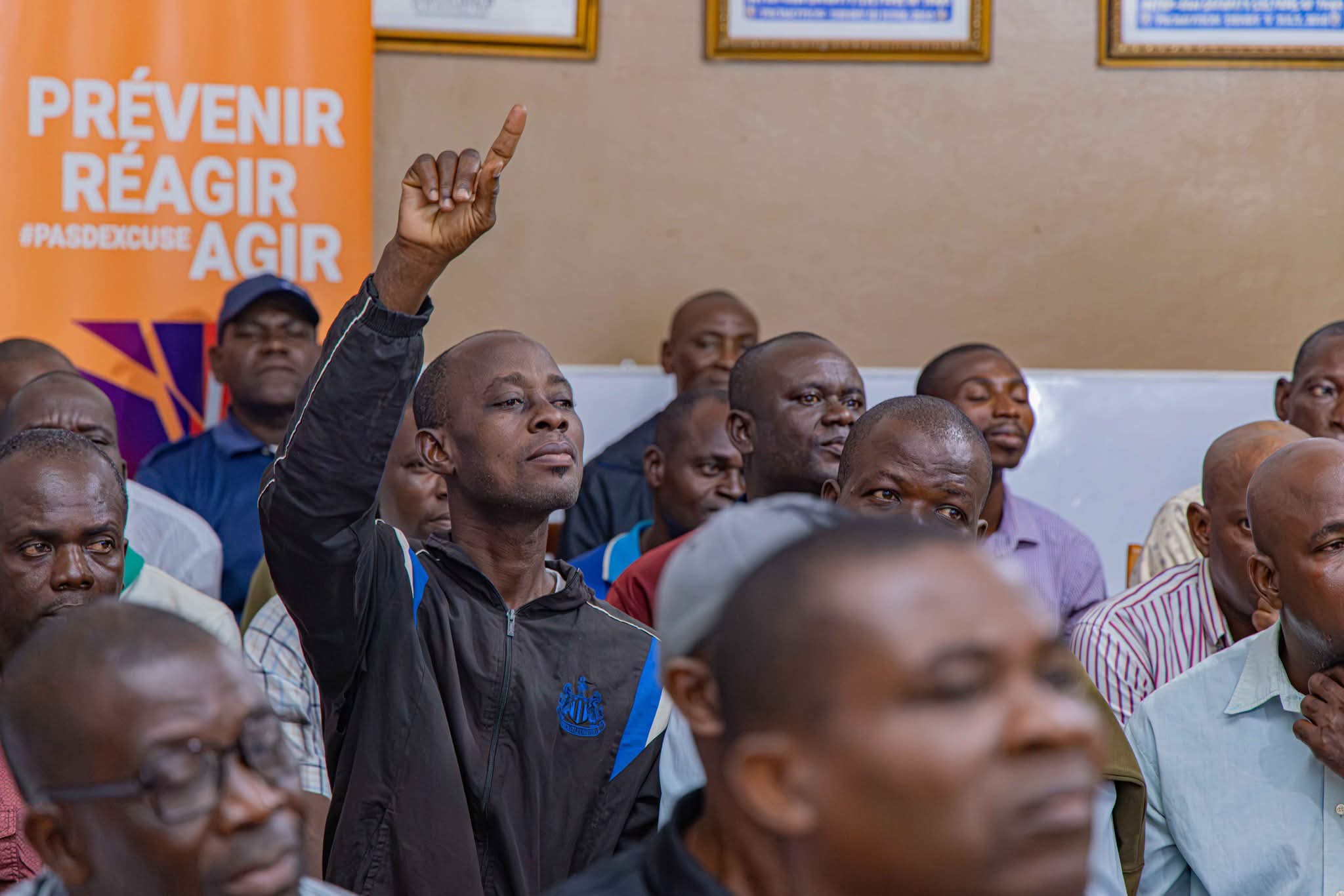
Changing perspectives on disability
To this end, agents were sensitised to protocols for welcoming and supporting persons with disabilities in a kind manner, ensuring that United Nations premises remain universally accessible, inclusive and protective spaces.
Ultimately, by investing in the training of its front-line service providers, the United Nations system in Togo sends a strong signal. Security is measured not only by the solidity of infrastructure, but also by the integrity, professionalism and inclusiveness of the men and women who embody it.