The United Nations has issued a strong call for political stakeholders in the Democratic Republic of the Congo (DRC) to unite around a national dialogue framework that prioritizes democratic freedoms and inclusive participation. This appeal comes as tensions rise over constitutional reforms and governance disputes in Kinshasa.
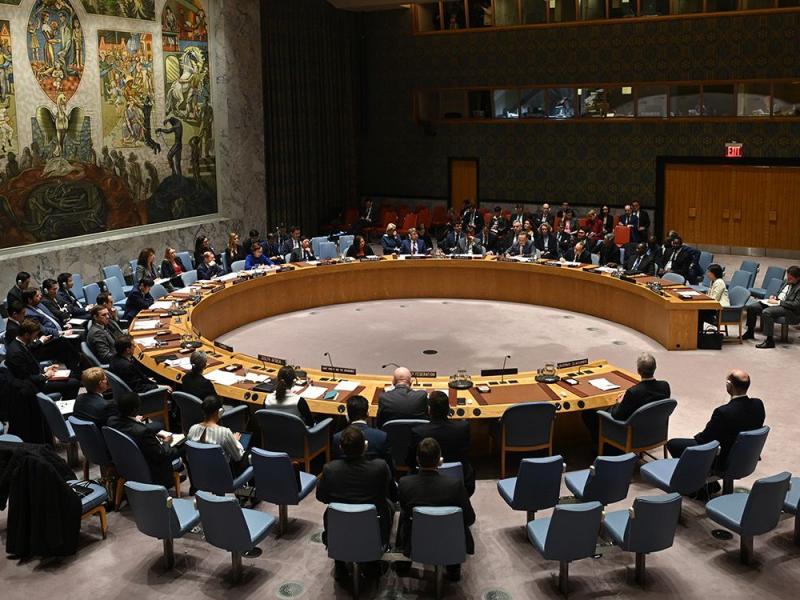
In a statement from the UN Security Council, James Swan, Special Representative of the UN Secretary-General and head of MONUSCO, emphasized the urgent need for a peaceful and secure environment where all voices can be heard without fear. He highlighted the importance of protecting civic spaces, including freedom of expression and assembly, as foundational pillars for a successful national dialogue.
Swan also commended recent initiatives by Congolese authorities, such as the establishment of a national commission to oversee security sector reform and the ongoing development of the country’s first-ever national security policy, led by the presidency. These steps, he noted, signal progress toward addressing the country’s complex security challenges.
a call amid rising political tensions
The UN’s intervention follows weeks of heightened political activity in the DRC, including public protests and debates over constitutional amendments. The situation has been further complicated by recent incidents targeting the headquarters of the National Episcopal Conference of the Congo (CENCO), underscoring the fragile nature of the political climate.
Analysts suggest that without genuine consensus-building and respect for democratic norms, the path to stability in the DRC remains fraught with risks. The international community continues to monitor developments closely, urging all parties to engage in good faith and avoid actions that could escalate tensions.
what’s next for the dialogue process?
While the contours of the national dialogue are still being defined, Swan’s remarks reflect a broader international consensus that any inclusive process must adhere to principles of transparency, accountability, and respect for human rights. Civil society organizations and political leaders are expected to play a critical role in shaping the agenda and ensuring broad-based participation.
The UN’s call serves as a reminder that sustainable peace in the DRC cannot be achieved without addressing the root causes of instability—governance deficits, security vacuums, and the erosion of civic freedoms. As the dialogue process unfolds, the world will be watching to see whether Kinshasa can turn these challenges into opportunities for national renewal.