How science drives public health protection in Mali and beyond
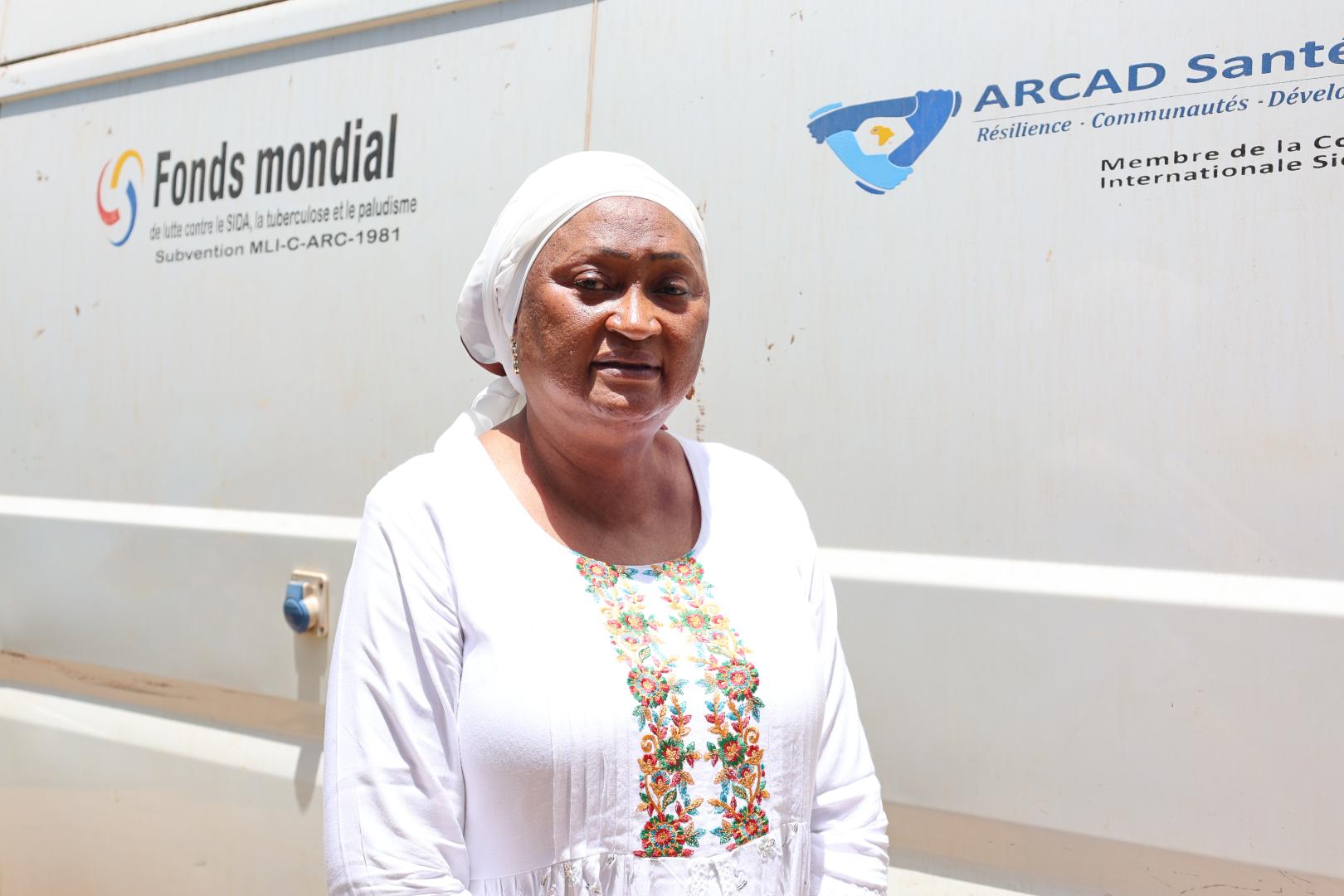
Bamako – On World Health Day 2026, themed “Unite for health. Support science”, the World Health Organization (WHO) spotlights leaders transforming scientific knowledge into life-saving solutions across Africa. Among them is Dr. Bintou Dembélé, a physician and public health specialist dedicated to combating infectious diseases and strengthening health systems in Mali and West Africa.
With unwavering faith in science’s power to serve communities, Dr. Dembélé advocates for faster, more inclusive research and its practical application to prevent health crises, enhance medical care, and bridge gaps between scientists, policymakers, and the public. On this significant day, she shares her perspective on making science accessible, collaborative, and indispensable to daily life.
Why science is critical for safeguarding public health today
Science underpins every breakthrough in medicine, from life-saving drugs to revolutionary vaccines. It equips us to tackle both longstanding and emerging diseases with precision.
Its greatest strength lies in prevention. By uncovering how diseases spread, science empowers communities to act before outbreaks escalate into full-blown crises.
Beyond treatment, science improves diagnostic tools, medical equipment, and healthcare delivery. Stronger systems mean better survival rates and faster recoveries for patients.
Strengthening health outcomes through scientific collaboration in West Africa
Regional partnerships amplify impact. In West Africa, where shared challenges like infectious diseases and maternal health disparities persist, joint research initiatives yield shared solutions.
These collaborations address neglected tropical diseases, reduce maternal and neonatal mortality, and bolster resilience against future threats. The ripple effect extends beyond health—healthier populations drive economic growth and social stability.
How the “One Health” approach prevents health disasters
The “One Health” framework recognizes the interconnectedness of human, animal, and environmental health. This holistic view helps communities anticipate and mitigate risks like zoonotic diseases or environmental hazards.
Local surveillance systems, community engagement, and participatory research ensure that scientific insights translate into real-world safeguards. By valuing traditional knowledge alongside modern science, communities become proactive guardians of their own well-being.
Turning research into rapid, real-world solutions
Data alone isn’t enough—it must drive action. Fast-tracking the translation of research findings into policy and practice ensures resources are allocated efficiently and interventions reach those in need promptly.
Integrating science into public health strategies accelerates responses to outbreaks, optimizes healthcare delivery, and builds trust in evidence-based decision-making.
Building public trust in science for lasting impact
Trust grows from clarity. To foster support, scientific information must be transparent, culturally relevant, and communicated through trusted channels.
When communities understand the science behind health recommendations, they’re more likely to adopt protective behaviors and advocate for stronger health systems. This collective engagement transforms science from an abstract concept into a shared tool for progress.