Togolese diplomacy delivers breakthrough in Mali
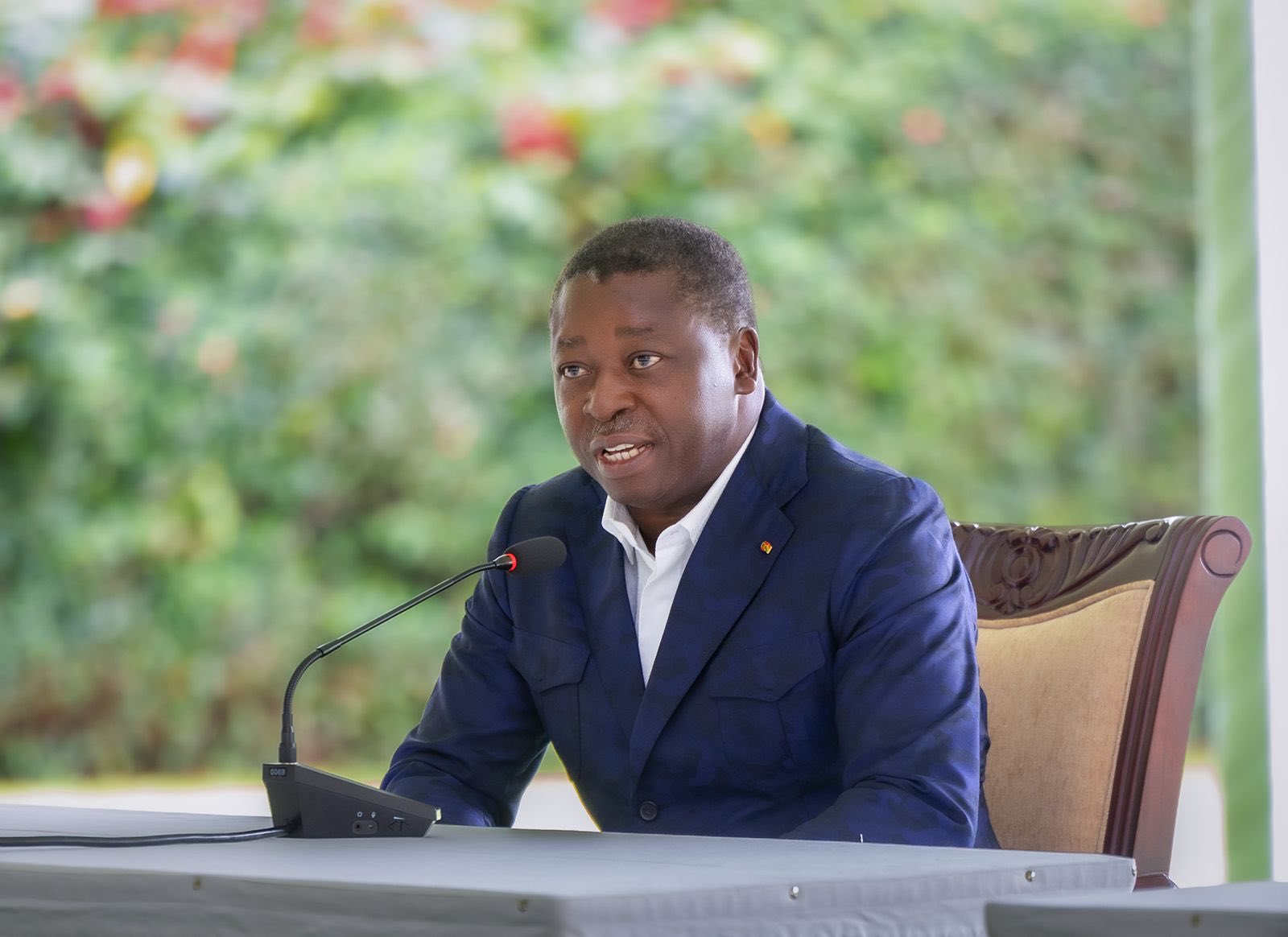
Togo’s leadership in regional diplomacy has achieved another milestone. Through discreet mediation led by President Faure Gnassingbé, twenty-two Malian soldiers held captive by Tuareg rebels of the Azawad Liberation Front (FLA) were freed on August 23. Their release follows months of confinement in northern Mali, marking a significant step toward easing tensions in the Sahel.
Prisoner swap paves the way for peace
This successful operation was made possible through a carefully negotiated exchange. In return for the soldiers’ freedom, the FLA secured the release of at least eight of its fighters. The Malian soldiers had been captured at different times—some during recent clashes, while others had endured captivity for over three years, underscoring the depth of the conflict’s humanitarian toll.
Faure Gnassingbé’s quiet diplomacy gains recognition
Togolese media have praised the President’s behind-the-scenes efforts, highlighting his ability to maintain open communication channels even in the most challenging circumstances. His approach has earned him a reputation as a trusted mediator across the Sahel, where political and security crises often seem intractable.
Togo’s growing influence in Sahel peace efforts
This latest release is part of a broader pattern of diplomatic engagement under Faure Gnassingbé’s leadership. His interventions have played a pivotal role in resolving complex regional disputes:
- Mali (2023): Facilitated the liberation of Ivorian soldiers held in Bamako.
- Great Lakes Region (2025): Appointed by the African Union as mediator in the Democratic Republic of the Congo-Rwanda conflict.
- Political transitions: Supported dialogue processes in Chad, Niger, Burkina Faso, and Guinea.
FLA’s recent releases signal shifting dynamics
This development follows a series of releases by the FLA, including 82 soldiers on August 13 and six wounded soldiers on August 16. The pattern suggests evolving negotiations and a potential de-escalation in the conflict, though the underlying grievances remain unresolved.