
Discovering Abeche: Where Chad Meets Sudanese Culture
Abeche, a vibrant city in eastern Chad, stands out as a unique cultural crossroads where Sahelian traditions blend seamlessly with Sudanese influences. Located near the border with Sudan, this bustling hub has long served as a gateway for trade, migration, and exchange between the two nations. Today, it remains a testament to the resilience and dynamism of communities shaped by history and geography.
The Pulse of Abeche: Markets, Traditions, and Daily Life
Abeche’s markets are the lifeblood of the city, buzzing with activity from dawn till dusk. Vendors from Chad and Sudan converge here, offering everything from fresh produce and spices to handcrafted goods. The Marché Central is particularly renowned for its vibrant atmosphere, where the aroma of grilled meat mingles with the scent of Sudanese *shai* tea. Locals and visitors alike gather to socialize, negotiate deals, and share stories—making it a true melting pot of cultures.
Beyond the markets, Abeche’s architecture reflects its rich heritage. The city’s wadi (seasonal riverbeds) and traditional *tukuls* (mud-brick homes) coexist with modern structures, creating a visual tapestry of old and new. Religious sites, including mosques and churches, further highlight the city’s diversity, fostering a sense of unity among its multicultural population.
The Human Face of Abeche: Refugees and Resilience
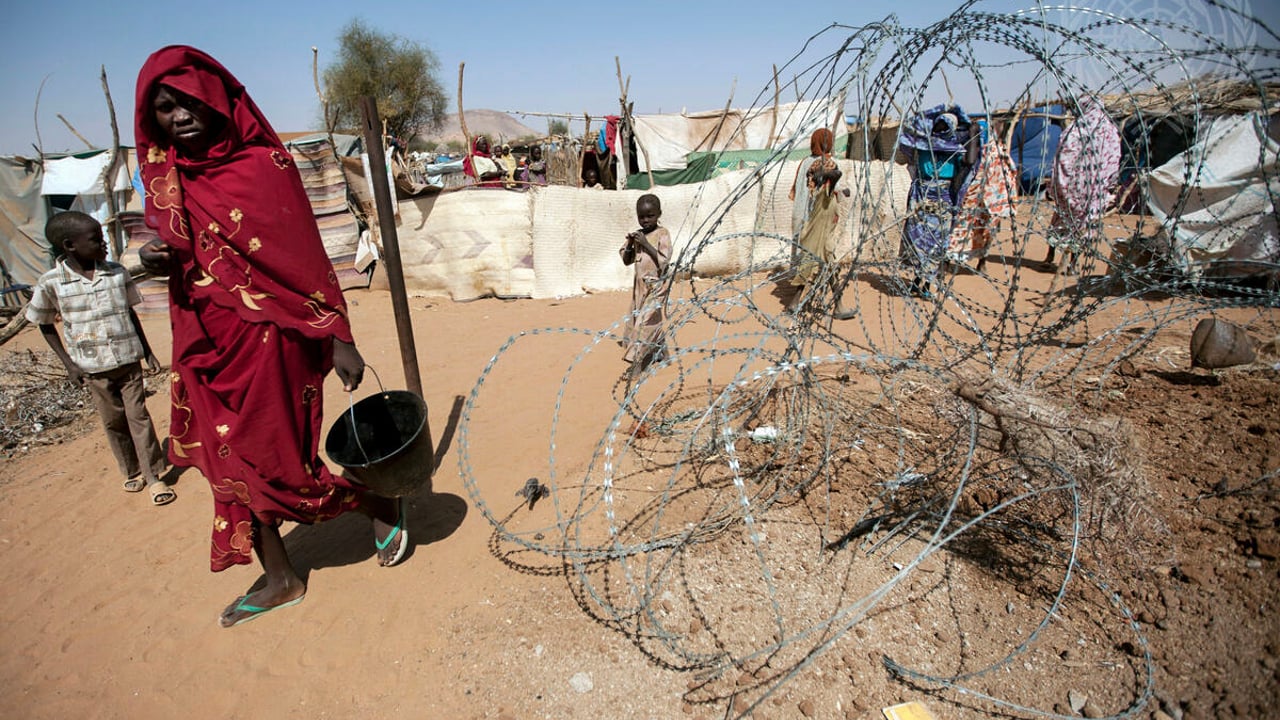
Abeche has become a critical refuge for thousands fleeing conflict in Sudan. The city’s proximity to the border has made it a primary destination for displaced families seeking safety. Aid organizations, including the UNHCR, have established support centers here, providing essential services like shelter, healthcare, and education. The Sudanese refugee community has not only found a safe haven but has also enriched Abeche’s cultural fabric, introducing traditions like *asida* (a traditional sorghum porridge) and *gambari* (a spicy fish stew) to local cuisine.
Despite the challenges, Abeche’s residents and newcomers alike demonstrate remarkable resilience. Children play in the streets, traders barter in the markets, and women gather to share meals—all while navigating the complexities of life in a region marked by instability. Their stories are a powerful reminder of the human spirit’s ability to adapt and thrive.
Why Abeche Matters in the Sahel
Abeche is more than just a border city; it is a strategic and cultural linchpin in the Sahel. Its position makes it a key player in regional trade routes, connecting Chad to Sudan and beyond. The city’s ability to absorb and integrate diverse influences—whether through commerce, migration, or cultural exchange—positions it as a microcosm of the Sahel’s broader dynamics.
As Chad continues to navigate political and economic shifts, Abeche remains a symbol of the country’s enduring spirit. Its markets, communities, and cultural landmarks tell a story of resilience, adaptation, and the unbreakable bonds that tie people together across borders.
Key Takeaways
- Abeche’s markets are a vibrant showcase of Chadian-Sudanese trade and culture.
- The city’s architecture and traditions reflect its rich, multicultural heritage.
- As a refuge for Sudanese displaced by conflict, Abeche highlights the region’s humanitarian challenges.
- Its strategic location makes Abeche a vital hub in the Sahel’s trade and cultural networks.