The 2016 Zouhoura case remains a dark chapter in the history of Tchad. A teenage girl was kidnapped and gang-raped, but the horror did not end there; her attackers shared footage of the assault across social media. Ten years on, the digital landscape in Tchad continues to be a battlefield where women are frequently targeted by online aggression.
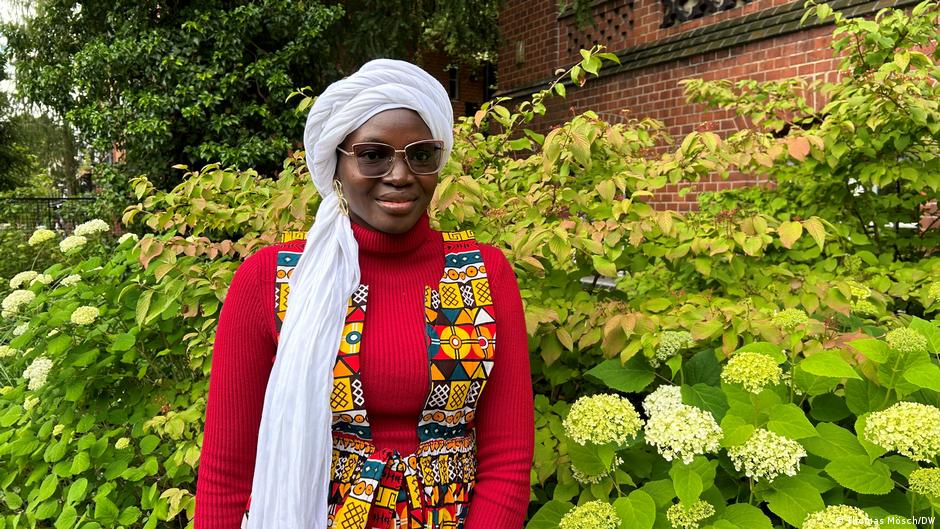
In Tchad, simply sharing a photo or video can trigger a wave of abuse. Human rights defenders are particularly vulnerable. Epiphanie Dionrang, who leads the Chadian League for Women’s Rights, has faced this backlash firsthand due to her advocacy. She explains the reality of these digital threats and the urgent need for better protection.
The daily struggle against digital violence
For many women in Tchad, cyber-harassment is an extension of the violence they face in physical society. Epiphanie Dionrang notes that her leadership in the Chadian League for Women’s Rights has made her a prime target for online vitriol. This harassment manifests in various ways, from sexist slurs and hate speech to direct threats and intrusive phone calls.
The consequences for victims are devastating. Beyond the immediate stress and anxiety, many suffer from deep depression and a total loss of self-esteem. The shame induced by the public leak of private information often leads to social isolation. In the most severe instances, the psychological weight can lead to suicidal ideation. This climate of fear forces many women to self-censor, withdrawing from public life and digital spaces to protect themselves.
A legal vacuum and the quest for justice
Identifying the perpetrators is a complex task. While some use their real identities—often former acquaintances—many hide behind anonymous profiles. To fight back, victims are encouraged to document everything: screenshots of messages, links to profiles, and specific dates of the incidents are essential for any potential legal action.
However, the Chadian judicial system often falls short. Epiphanie Dionrang shares her own frustration, noting that even after filing complaints for physical assault, the process of identifying and prosecuting the offender remains stalled. Tchad currently lacks a comprehensive digital legal code, leaving victims with little recourse. While a national computer security agency and a cybercrime unit exist, their impact is limited. Awareness campaigns in schools are a start, but without strict enforcement and preventative measures, many victims remain too terrified to come forward.
Breaking the silence through storytelling
Filmmaker Aché Ahmat Moustapha has brought this issue to light with her documentary, “Harcèlement 2.0, La résilience des Africaines connectées.” The film, which features Epiphanie Dionrang, serves as a platform for women to share their stories and dismantle the taboos surrounding online abuse. The goal is to create safe environments where victims feel heard and supported rather than judged.
The documentary has sparked conversations not just in Tchad, but across the region, including Sénégal. By highlighting the context of these attacks, it encourages a shift from victim-blaming to active solidarity. While the road to digital safety is long, the liberation of speech is a critical first step in reclaiming the internet for women in West Africa and beyond.