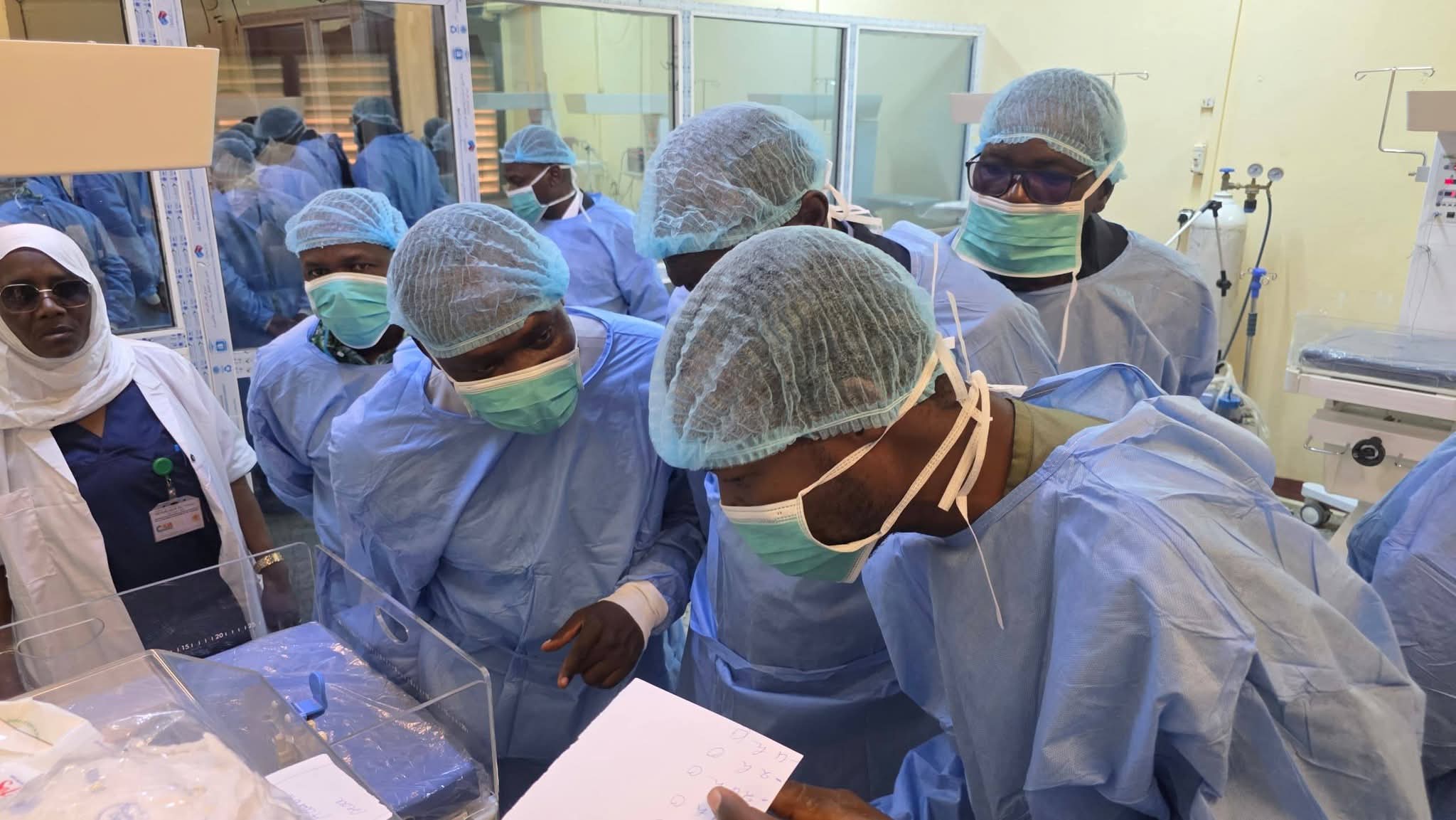
In the urban centers of Chad, particularly in N’Djamena and surrounding towns, a distressing trend is emerging: young mothers in their twenties are increasingly suffering from recurrent miscarriages. This medical and social crisis often remains shrouded in silence due to cultural taboos and a lack of accessible specialized healthcare, leading to significant emotional strain on couples.
Understanding spontaneous abortion
To shed light on this issue, Dr. Deubalbe Djonka Djoret, a general practitioner, defines a miscarriage or spontaneous abortion as the loss of a pregnancy before the 20th or 22nd week. According to the physician, these events are frequent and stem from a variety of complex factors.
Medical and physiological triggers
Dr. Djonka points to localized physical issues such as uterine fibroids or cervical incompetence—a condition where the cervix cannot support the growing fetus. Beyond physical structure, hormonal and nutritional imbalances play a critical role. A lack of harmony between estrogen and progesterone can halt a pregnancy, while deficiencies in iron or folic acid may lead to fetal nervous system defects, resulting in loss.
Genetic factors also contribute, with chromosomal abnormalities often appearing in the initial weeks. Additionally, the Rhesus factor presents a major risk if a Rhesus-negative mother conceives with a Rhesus-positive father.
The impact of infections and chronic illness
In Chad, infectious diseases are among the most common culprits. Dr. Djonka highlights the dangers of malaria, syphilis, toxoplasmosis, and infections of the amniotic fluid, which are frequently underestimated. Furthermore, poorly managed chronic conditions like diabetes, hypertension, heart disease, or kidney failure significantly elevate risks. The doctor also warns against the dangers of self-medication and the use of drugs that are toxic to the fetus.
Why young mothers are at risk
The specialist notes that specific behaviors contribute to the prevalence of this issue among younger women. These include the improper use of hormonal pills, alcohol consumption during pregnancy, and other high-risk practices performed without awareness of the potential consequences.
The importance of diagnosis and mental health
While early diagnosis is vital for prevention, advanced tools like endovaginal ultrasound cervicometry and genetic screening remain difficult to access in many parts of the country. The toll is not just physical; recurrent losses cause deep psychological scars, including depression and a loss of self-esteem within the couple.
To mitigate these risks, Dr. Deubalbe Djonka Djoret urges expectant mothers to seek professional care from a general practitioner or obstetrician-gynecologist at the very start of their pregnancy. He also strongly recommends preconception consultations to identify and address risk factors before pregnancy begins.