Mounting pressure on media professionals
The landscape for journalists is increasingly constrained. Instances range from the Malian broadcaster Joliba TV and the Burkinabe daily L’Observateur Paalga to the recent abduction of journalist Serge Oulon in Ouagadougou, demonstrating a proliferation of coercive tactics. State authorities are now employing an array of severe measures to silence dissenting voices:
- Abrupt closures of both domestic and international media outlets.
- Unjustified detentions and forced disappearances.
- Compulsory displacement for individuals unwilling to disseminate official narratives.
Intimidation as a mechanism of suppression
The prevailing atmosphere presents media practitioners with a stark dichotomy: acquiescence or silence. Ousmane Diallo, a researcher affiliated with Amnesty International, observes a gradual constriction of the civic sphere.
« This environment of apprehension, characterized by enforced disappearances, compels numerous journalists towards self-censorship », he elaborates. Fundamentally, the apprehension of retribution leads journalists to refrain from covering contentious subjects.
The emergence of an “ideological confinement”?
This assertive control over information extends beyond media professionals to encompass the citizenry. By enforcing a singular narrative that extols the military juntas, the ruling powers endeavor to eradicate critical thought among the populace.
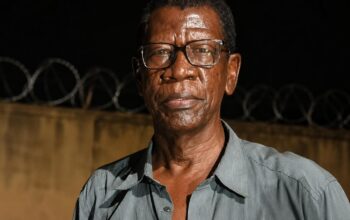
An indigenous journalist, speaking under the condition of anonymity, draws parallels between the contemporary situation and the Soviet era. He characterizes the Sahel as having devolved into an « information gulag »—a metaphor signifying a confinement where truth is suppressed.
The diplomatic alignment of these nations with Vladimir Poutine’s Russia is not considered coincidental by observers; it appears to coincide with the adoption of information control methodologies characteristic of authoritarian governance. The critical question now revolves around the viability of independent expression in a region where public discourse is progressively being stifled.