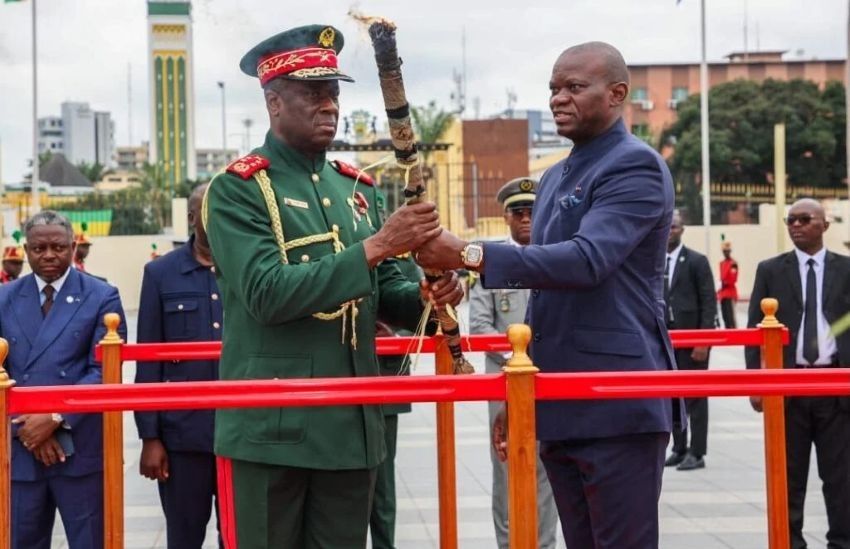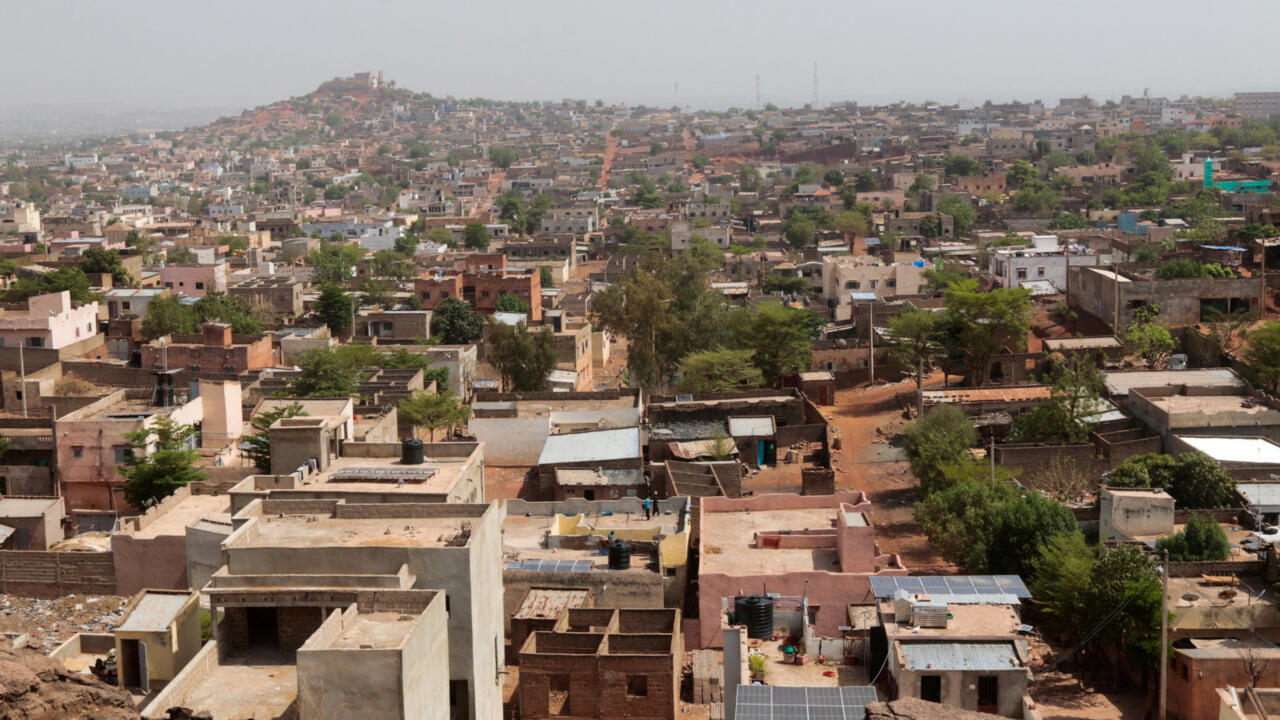
In a region where geopolitical tensions dominate headlines, Mali stands out for reasons beyond its ongoing security challenges. The West African nation is witnessing a concerning trend: the systematic erosion of press freedom and the consolidation of power around a single figure. This dual phenomenon is not only reshaping the country’s political landscape but also silencing dissenting voices in an unprecedented manner.
Media suppression intensifies across the Sahel
Recent months have seen a troubling pattern emerge across the Sahel. While international attention has fixated on Mali due to its security crisis, the very channels providing independent reporting have come under severe pressure. Le Monde Afrique highlights that in countries like Mali, Niger, and Burkina Faso, authorities are increasingly targeting francophone media outlets—including prominent names like RFI—accusing them of spreading misinformation. These suspensions are part of a broader strategy to control narratives and stifle opposition voices.
Ousmane Diallo, a researcher at Amnesty International’s West and Central Africa office, describes the situation as alarming. “The Sahel has become an information gulag,” he warns. “Journalists face surveillance, intimidation, and threats in Burkina Faso, Mali, and Niger. This climate of fear is creating a generation of zombified citizens, indoctrinated into accepting a single, state-controlled version of reality.” The researcher draws parallels with Soviet-era tactics, noting that these governments’ alignment with Moscow may not be coincidental.
Moscow’s influence and the silencing of critics
In Bamako, the narrative around Russia has become sacrosanct. Any challenge to this alliance is swiftly met with repression. Take the case of Ibrahima Tamega, a pro-democracy activist arrested on May 23 for allegedly participating in anti-Russia graffiti. Held for days in Bamako’s third arrondissement police station, his detention sends a clear message: criticism of the Bamako-Moscow axis will not be tolerated.
Afrik.com underscores the political underpinnings of Tamega’s arrest. Since severing ties with Paris, Mali’s military junta has positioned Russia as a key ally, touting Moscow’s non-interference and military support. In this tightly controlled environment, even graffiti becomes an act of defiance, and the state’s response—a heavy-handed police crackdown—serves as a warning to others who might dare to question the official line.
Power consolidation threatens Mali’s stability
Beyond media suppression, Mali is grappling with a dangerous concentration of power. Researchers Salah Ben Hammou of Rice University and Hiba Naciri of the University of Montreal warn that General Assimi Goïta’s dual roles as head of state and Defense Minister are eroding institutional checks and balances. Their analysis, featured in The Conversation, paints a stark picture: “As power centralizes around one figure, decision-making prioritizes personal loyalty over national interests or military efficiency.”
This shift has dire consequences. Military restructuring is no longer guided by operational effectiveness but by the need to protect the leader from internal rivals. On the battlefield, these distortions weaken coordination and undermine the army’s ability to counter insurgent threats. The researchers caution that such personalization of power not only destabilizes governance but also jeopardizes long-term stability.