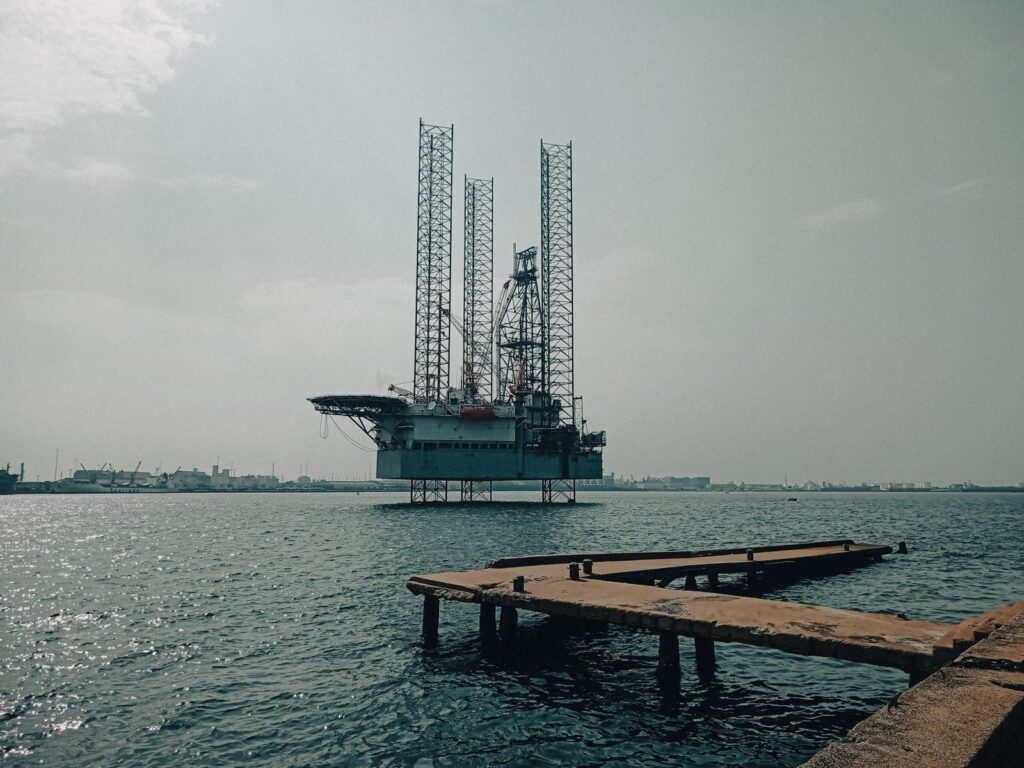
The re-entry of Shell into Gabon signifies a pivotal moment for the nation’s petroleum sector. A decade after withdrawing, the Anglo-Dutch energy conglomerate is poised to recommit to the Gabonese sedimentary basin. This move comes as Libreville actively seeks to reverse a persistent downturn in its hydrocarbon output. The news, emerging within a climate of comprehensive reforms initiated post-political transition, underscores the government’s strategic intent to project confidence to global investors.
Back in 2016, Shell had finalized its departure from Gabon, divesting its terrestrial assets to Assala Energy, an entity then under the control of the Carlyle fund. This multi-hundred-million-dollar transaction was part of a broader global portfolio optimization strategy by the group, which was at the time prioritizing ventures deemed more lucrative, particularly in liquefied natural gas and ultra-deepwater exploration. The exit of such a prominent oil major had created a symbolic void, as Gabon saw one of its foundational operators withdraw.
A political impetus for Gabon’s petroleum industry
This significant re-engagement by the energy giant unfolds under the leadership of President Brice Clotaire Oligui Nguema, who assumed office following the August 2023 transition and subsequently secured electoral confirmation. In recent months, Gabonese authorities have proactively pursued initiatives to enhance the appeal of the upstream sector. This includes a comprehensive overhaul of the hydrocarbon code, the re-initiation of block allocation cycles, and the commencement of bilateral dialogues with several major companies. The overarching strategy is designed to counteract a production trend that hovers around 200,000 barrels per day, a stark contrast to the historical highs achieved in the late 1990s.
Shell’s choice to return is far from inconsequential. The corporation, which previously opted to divest mature assets considered non-strategic, is now recalibrating its perspective on the African continent. Factors such as the rarity of major onshore discoveries, the financial pressures associated with ultra-deepwater exploration, and the imperative to secure medium-term petroleum growth pathways are reshaping the strategic calculations of leading energy firms. Within this evolving landscape, the Gabonese basin, offering promising deep offshore and pre-salt formations, has notably regained a degree of appeal.
Libreville’s ambition to revitalize declining production
Petroleum output remains the cornerstone of Gabon’s foreign exchange earnings, historically contributing over 40% to national budget revenues and close to 80% of its exports. Nevertheless, the gradual exhaustion of mature fields, combined with a period of hesitant investment, has undermined this crucial economic equilibrium. The government is now placing significant hope on the re-entry of prominent industry leaders to bolster exploration efforts and extend the productive life of existing reservoirs.
Indeed, several international entities have already signaled a renewed interest in the nation. The state-owned Gabon Oil Company (GOC) is progressively enhancing its influence in asset management as existing contracts reach their termination or undergo renegotiation. Shell’s re-establishment in this market could potentially involve collaborations with other operators already active locally, such as Perenco, TotalEnergies, or BW Energy, all of whom have solidified their presence in offshore concessions.
Strategic return: precise contours yet to be defined
The exact parameters of the major’s renewed engagement are still awaiting clarification. This includes the specific blocks involved, the proposed timeline for commitment, the scale of investments, and the preferred contractual framework. The very nature of the permits being targeted—whether onshore or in deepwater—will ultimately dictate the magnitude of this return. A significant deep offshore presence would necessitate financial commitments potentially running into hundreds of millions of dollars, whereas a strategy centered on mature assets would likely entail a more conservative approach, primarily focused on optimizing current production levels.
Beyond the immediate implications of Shell’s re-entry, the broader credibility of Gabon’s evolving oil policy is now under scrutiny. Libreville’s capacity to transform these pronouncements into tangible, effective investments, especially within a highly competitive landscape where nations like Nigeria, Angola, Namibia, and Senegal are vigorously vying for major capital, will critically shape the sector’s trajectory over the next decade. In this regard, the return of the Anglo-Dutch corporation serves as a crucial, real-world litmus test for the new administration.
You may also like
Will Benin’s AEO exporters finally crack the Chinese market?
Northern Niger’s unanswered question: can Tiani’s government deliver water and power where it matters most?
Can Air Sénégal survive the Interpol smuggling probe? The stakes for crew, passengers and the airline’s future
As donor fatigue spreads, can Benin’s €544,042 UNAIDS pledge keep the HIV response on track?
Who pays the price when Burkina Faso’s public payroll contracts? Households weigh the cost of 1,917 fewer agents